PALMOILMAGAZINE, JAKARTA — A recent study published in the European Journal of Agronomy (Volume 176, May 2026) highlights the critical role of plant nutrients in improving oil palm productivity, emphasizing that more precise nutrient management could significantly enhance fertilizer efficiency and global yields.
The study, titled “Quantifying Plant Nutrient Requirements in Oil Palm,” underscores the importance of understanding nutrient demand as a scientific basis for optimizing fertilization strategies in the palm oil sector.
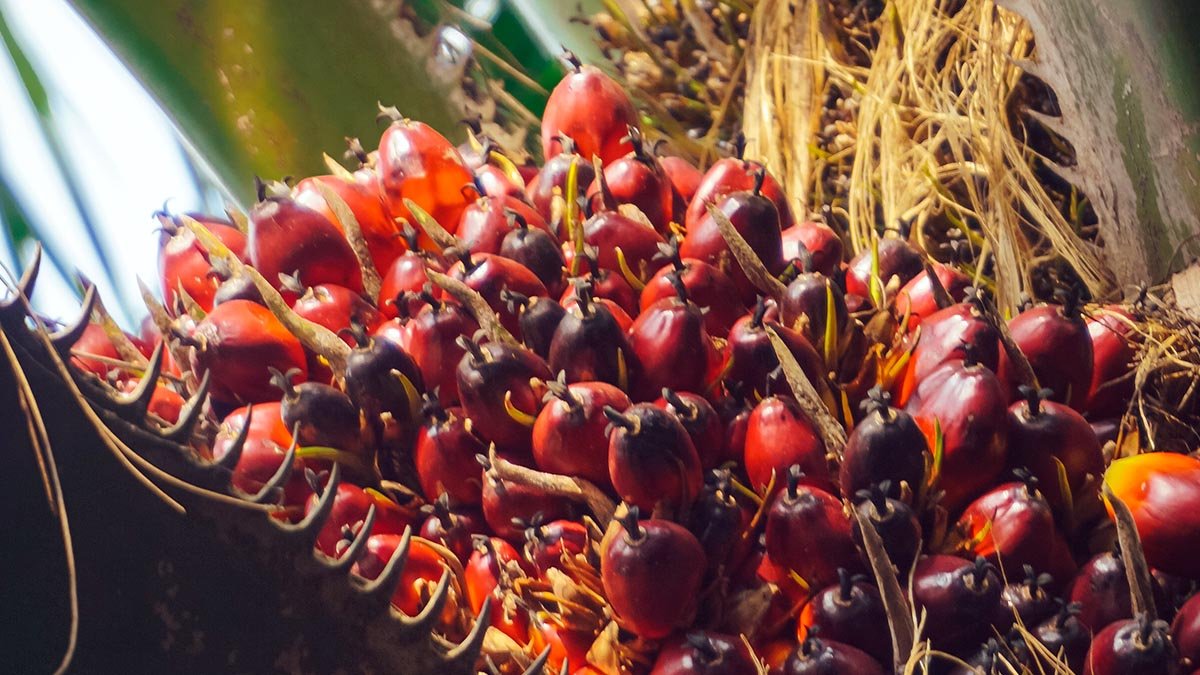
Oil palm (Elaeis guineensis) is a perennial tropical crop and the world’s leading source of vegetable oil. Its fresh fruit bunches (FFB) are processed into crude palm oil (CPO), widely used in food products, cosmetics, cleaning agents, and biodiesel.
Also Read: Indonesia Struggles to Boost Palm Oil Yields Amid Genetic and Disease Risks
According to OECD and FAO (2023), oil palm is cultivated across approximately 30 million hectares in Southeast Asia, Sub-Saharan Africa, and Latin America, making it a dominant contributor to global vegetable oil supply.
Extensive Dataset Across Key Producing Countries
The research compiled a comprehensive dataset consisting of 669 observations, covering annual FFB yields, above-ground biomass, and nutrient accumulation. The data were collected from commercial plantations in Indonesia, Malaysia, and Ghana between 2000 and 2022.
These three countries represent around 71% of global oil palm plantation area and 88% of global palm oil production, making the dataset highly representative of global industry conditions. All observed plantations used monoculture systems, allowing for more accurate analysis of nutrient-productivity relationships.
Also Read: Rising CPO Prices Seen Cushioning Cost Pressures for SD Guthrie Amid Energy Volatility
Nutrient Distribution Varies Across Plant Organs
The findings reveal that nutrient concentrations differ significantly across oil palm plant organs. Nitrogen (N) and magnesium (Mg) were highest in fronds, at approximately 1.4% and 0.2%, respectively. Potassium (K) was most concentrated in the trunk, reaching about 1.7%.
In contrast, phosphorus (P) showed relatively stable levels across all plant parts, ranging between 0.08% and 0.12%. The study also identified notable variability in magnesium and potassium content in fronds and trunks, while nutrient composition in fruit bunches remained relatively stable.
Also Read: Prabowo Highlights Palm Oil’s Role in Shielding Indonesia from Global Oil Volatility
Strong Link Between Yield and Nutrient Uptake
Further analysis demonstrated a strong correlation between FFB production and the accumulation of key nutrients, particularly nitrogen, phosphorus, potassium, and magnesium.
This approach addresses limitations of previous studies, which often relied on smaller datasets and shorter observation periods. The researchers developed generalized relationships between FFB yield and nutrient accumulation, providing a more robust scientific framework for understanding oil palm nutrient requirements.
Also Read: Indonesia Expands PSR and Palm Oil Infrastructure Support in 2026, Targets 125 Regional Units
The study also accounted for the long development cycle of oil palm fruit bunches and critical growth stages that influence yield.
Using the extensive dataset, researchers calculated Nutrient Internal Efficiencies (NIE) and Nutrient Harvest Indices (NHI), offering new insights into how efficiently oil palm utilizes nutrients.
These findings are expected to serve as a foundation for more precise fertilization strategies, helping improve plantation productivity while enhancing fertilizer efficiency across the global palm oil industry. (P2)