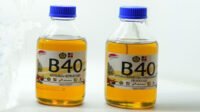

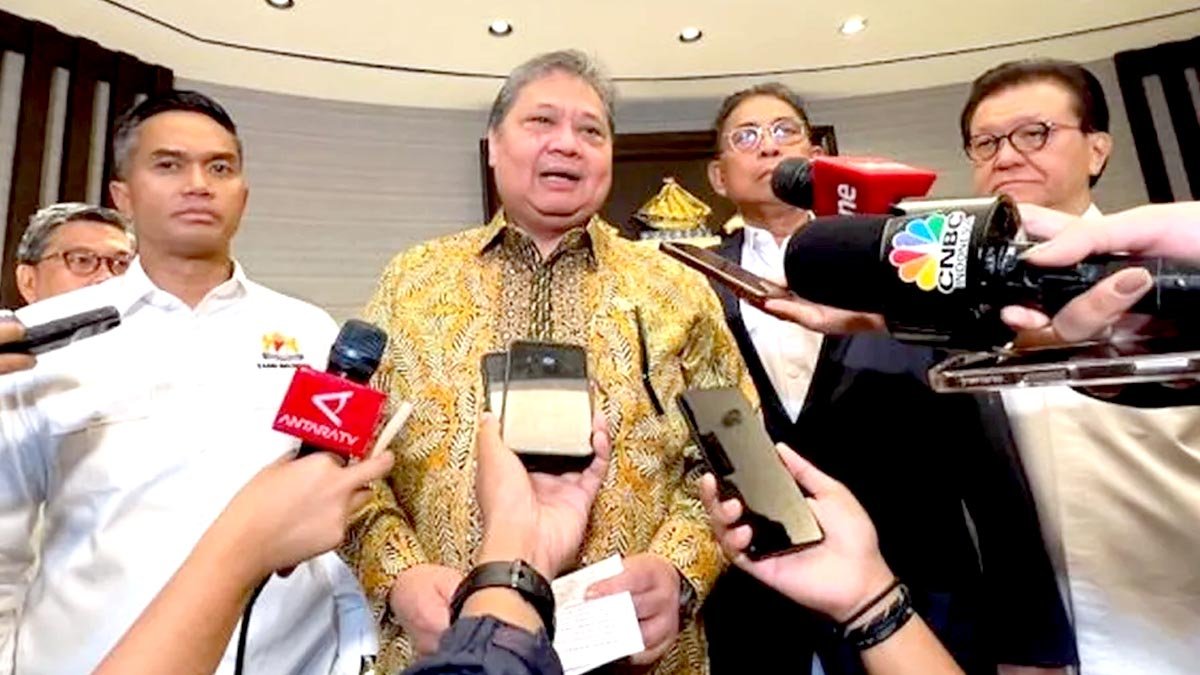
PALMOILMAGAZINE, Jakarta — The Indonesian government has confirmed it will not implement a B50 biodiesel mandate in 2026. Coordinating Minister for Economic Affairs Airlangga Hartarto said President Prabowo Subianto has instructed that this year’s mandatory biodiesel program remain at the B40 level, while preparations toward B50 continue.
Airlangga explained that policy decisions are being guided primarily by movements in global energy prices and palm oil prices, the main raw material for biodiesel. As a result, the government is closely monitoring the price gap between diesel fuel and crude palm oil (CPO) as a key reference.
“This year, the President’s directive is to maintain B40. For B50, studies must continue. We are monitoring fuel prices, palm oil prices, and the spread between them,” Airlangga said after a meeting at Kadin Tower, South Jakarta, on Tuesday (13 January).
Also Read: Palm Oil Production and Exports Strengthen in October 2025, Biodiesel Fuels Domestic Demand
Although B50 has not yet been rolled out, development efforts are ongoing. The government is continuing technical assessments, including automotive testing, to ensure the readiness of both industry players and vehicle engines should the biodiesel blend be increased.
“Technical studies and automotive trials are still underway. Implementation will depend heavily on price developments,” he said, as quoted by Palmoilmagazine.com from CNN.
Airlangga added that the government is preparing a possible B50 implementation framework for the second half of 2026. However, under current market conditions, B40 remains the main mandate, while all supporting elements for B50 are being readied.
“We are preparing for the second semester, but the current price scenario refers to B40. At the same time, we are also making sure we are ready for B50,” he noted.
Previously, the government had indicated plans to promote B50 in the latter half of 2026 as part of a broader strategy to curb diesel imports. Minister of Energy and Mineral Resources Bahlil Lahadalia said the direction was discussed and agreed upon in a limited cabinet meeting chaired by President Prabowo.
The B50 plan represents the next stage of Indonesia’s biodiesel mandate, which has been in place since 2016, progressing from B10 and B20 to the current B40. Since the introduction of B40, diesel imports have reportedly fallen sharply to around 4.9 million barrels per year, equivalent to roughly 10 percent of national consumption.
Also Read: Eddy Abdurrachman: Biodiesel Stabilizes Palm Oil Prices and Secures Indonesia’s Energy at IPOC 2025
The government believes increasing the biodiesel blend delivers strategic benefits, including reducing import dependence, strengthening the energy trade balance, adding value to the palm oil sector, and supporting national emissions reduction targets and the broader energy transition agenda. (P3)