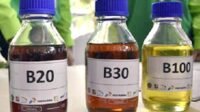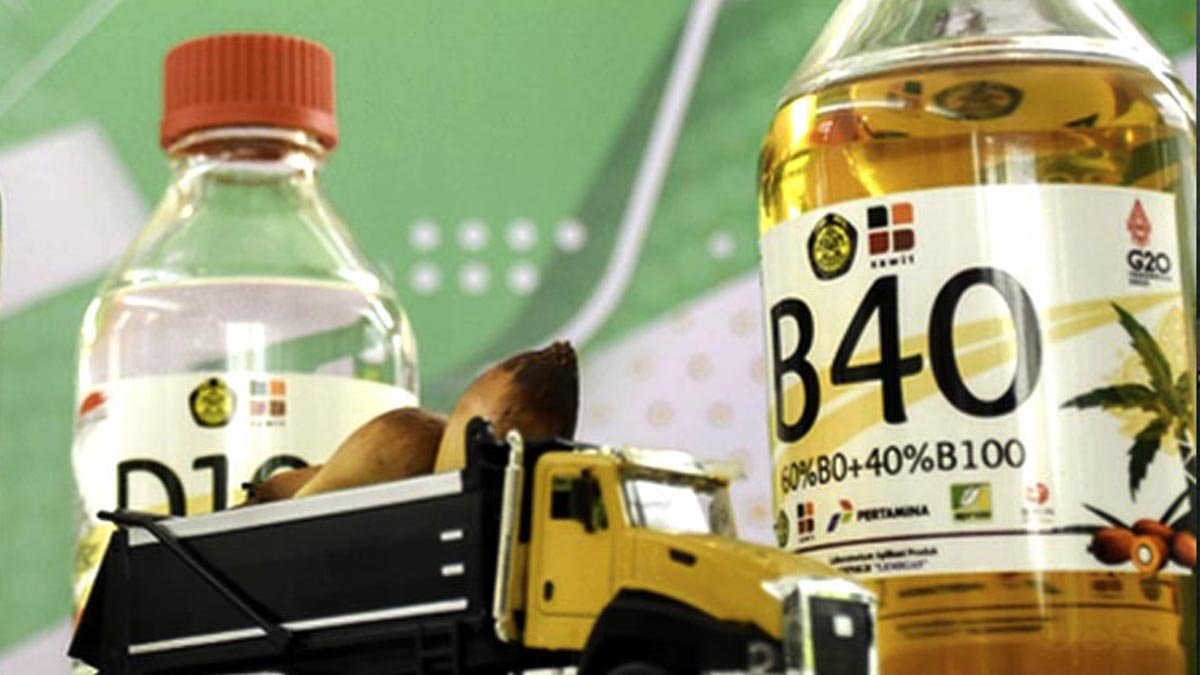
PALMOILMAGAZINE, KUALA LUMPUR – Indonesia has decided to postpone the implementation of its B50 biodiesel mandate this year, citing unresolved technical readiness and funding constraints—developments that analysts say highlight deeper structural challenges in the country’s biodiesel program.
TA Securities Bhd (TA Research) noted that the delay is not merely a scheduling issue, but a reflection of several critical problems that remain unaddressed. These include the need to stabilize domestic biodiesel funding mechanisms, narrow the widening cost gap between biodiesel and fossil diesel, strengthen logistics and infrastructure, and ensure overall operational readiness.
“From a regional competitiveness perspective, our calculations show that Malaysia currently holds a cost advantage in CPO exports, supported by lower export duties that reduce costs and enhance pricing flexibility,” TA Research said in a note quoted by local media on Wednesday (January 21, 2026).
Also Read: GAPKI Highlights Productivity Risks, Promotes Advanced Pollination Solutions
By contrast, Indonesia is facing increasing pressure from higher export levies. While these levies help finance domestic biodiesel subsidies, they also raise export costs and risk weakening Indonesia’s price competitiveness in the global palm oil market.
According to media reports, the government postponed the rollout of the 50% biodiesel blending mandate due to technical challenges and limited funding capacity. Indonesia had previously targeted the second half of 2026 for the implementation of B50.
At the same time, Jakarta is moving ahead with plans to raise the palm oil export levy from 10% to 12.5%, effective March 1, 2026. The policy is expected to strengthen fiscal revenues while continuing to support broader government programs, including biodiesel subsidies.
Also Read: Agrinas Palma Manages 1.7 Million Hectares, Posts IDR 4.3 Trillion Revenue in First Year
TA Research said it was not surprised by the decision, noting that concerns over subsidy adequacy have intensified amid the widening price gap between biodiesel and conventional diesel, compounded by reports of fiscal strain in 2024.
Bloomberg biodiesel profitability data show that Indonesia’s biodiesel margins over the past decade have been highly volatile and heavily dependent on subsidies. Margins were largely negative between 2015 and 2017, turned positive in 2018–2019, but weakened again in 2020–2021 amid low global oil prices.
Margins surged in 2022 during the global energy crisis, normalized toward breakeven levels in 2023–2024, and then slipped back into losses in 2025 through early 2026, at around minus US$200 per ton.
Also Read: China Hits 5% Growth Target as Exports Offset U.S. Tariff Pressure
This implies that the Indonesian government currently needs to provide subsidies of roughly US$200 per ton of biodiesel to close the cost gap.
“Overall, Indonesia’s biodiesel program remains structurally unprofitable without subsidies. Higher blending mandates will likely increase subsidy requirements and expand fiscal risks,” TA Research said.
From a market competition standpoint, TA Research estimates that Malaysia’s lower CPO export duties give it a cost advantage of about US$103.2 per ton compared with Indonesia’s 12.5% export levy.
This gap not only lowers effective export costs for Malaysian producers, but also provides greater pricing flexibility in international markets.
As a result, Malaysian exporters are seen as better positioned to capture market share, particularly in price-sensitive destinations such as India. Indonesia, meanwhile, faces a strategic dilemma between maintaining levy revenues to fund domestic biodiesel subsidies and preserving its competitiveness in the global palm oil trade. (P2)