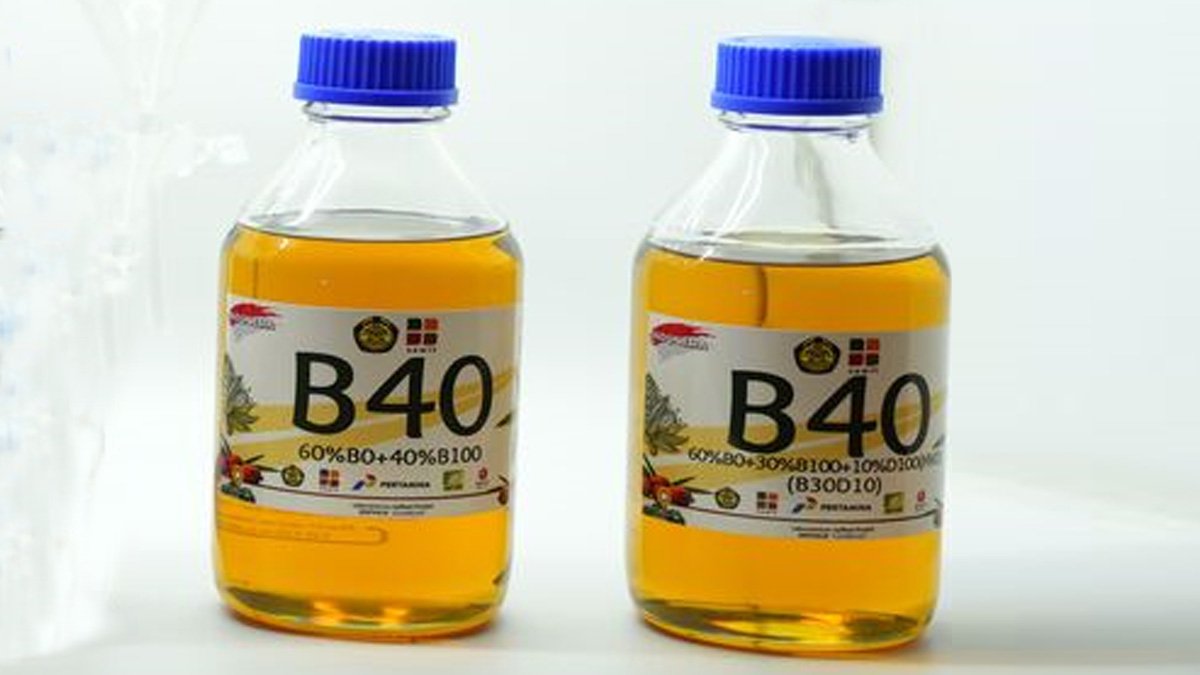
PALMOILMAGAZINE, JAKARTA — The incentive funding required to roll out Indonesia’s B50 biodiesel mandate—blending 50% biodiesel with diesel fuel—is projected to reach as much as IDR 65 trillion if the policy is implemented from the first half of 2026 for a full fiscal year. The estimate has been put forward by energy experts amid plans to further increase the country’s biodiesel blending rate.
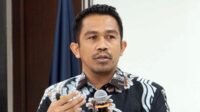
Ali Ahmudi Achyak, Head of the Energy Security Study Group for Sustainable Development (K3EPB) at the University of Indonesia, said that even if B50 were applied for only six months in the second half of 2026, the incentive requirement would still range between IDR 32 trillion and IDR 38 trillion.
He noted that the government’s plan to raise the crude palm oil (CPO) export levy to 12.5% could become one of the main funding sources for the program. However, the effectiveness of the measure would depend heavily on global CPO price movements.
“In theory, a 12.5% CPO export levy could help finance B50 incentives, but it may not be sufficient and will be highly dependent on global CPO prices,” Ali said, as quoted by Palmoilmagazine.com from Bloomberg Techno on Saturday (January 31, 2026).
Dependent on CPO Prices and the Biodiesel–Diesel Gap
Ali explained that funding adequacy would be more secure if international CPO prices remain in the range of US$800–US$900 per ton, export volumes stay stable, and the higher export levy is fully implemented.
However, he warned of a different risk scenario should CPO prices surge sharply. A significant price increase could widen the gap between biodiesel and fossil diesel prices, automatically pushing up the amount of incentives required.
He cautioned that if CPO prices climb above US$1,000 per ton while global crude oil prices weaken, subsidy needs could exceed initial projections.
“While additional revenue potential would indeed be significant, incentive requirements would spike once B50 is implemented, because the price differential between biodiesel and diesel would become much larger,” he said.
CPO Export Levy to Rise from March 2026
The government has confirmed that the export levy on CPO and its derivative products will be increased to 12.5% starting in March 2026, up from the current 10%. The policy is being coordinated by the Coordinating Ministry for Economic Affairs.
For now, Indonesia’s mandatory biodiesel program remains at the B40 level, with no official decision yet to move to B50.
Biodiesel program funding is managed by the Plantation Fund Management Agency (BPDP), with revenues sourced primarily from CPO export levies.
B40 Incentives in 2026 Set at IDR 47.2 Trillion
Separately, the Ministry of Energy and Mineral Resources (ESDM) has set the 2026 incentive allocation for the B40 biodiesel program at IDR 47.2 trillion, covering a volume of 15.64 million kiloliters. The figure is higher than the initial allocation of IDR 35.5 trillion in the previous year, but still below the 2025 realization of IDR 51 trillion.
Director General of New, Renewable Energy and Energy Conservation (EBTKE) Eniya Listiani Dewi said the allocation is earmarked solely for B40, while funding needs for B50 will be determined after the completion of road tests.
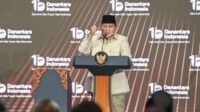
Meanwhile, Energy and Mineral Resources Minister Bahlil Lahadalia stated that B50 road testing is targeted for completion in the first half of 2026. The government aims to decide on the implementation of the B50 mandate in the second half of 2026, once all technical test results are declared safe. (P2)