

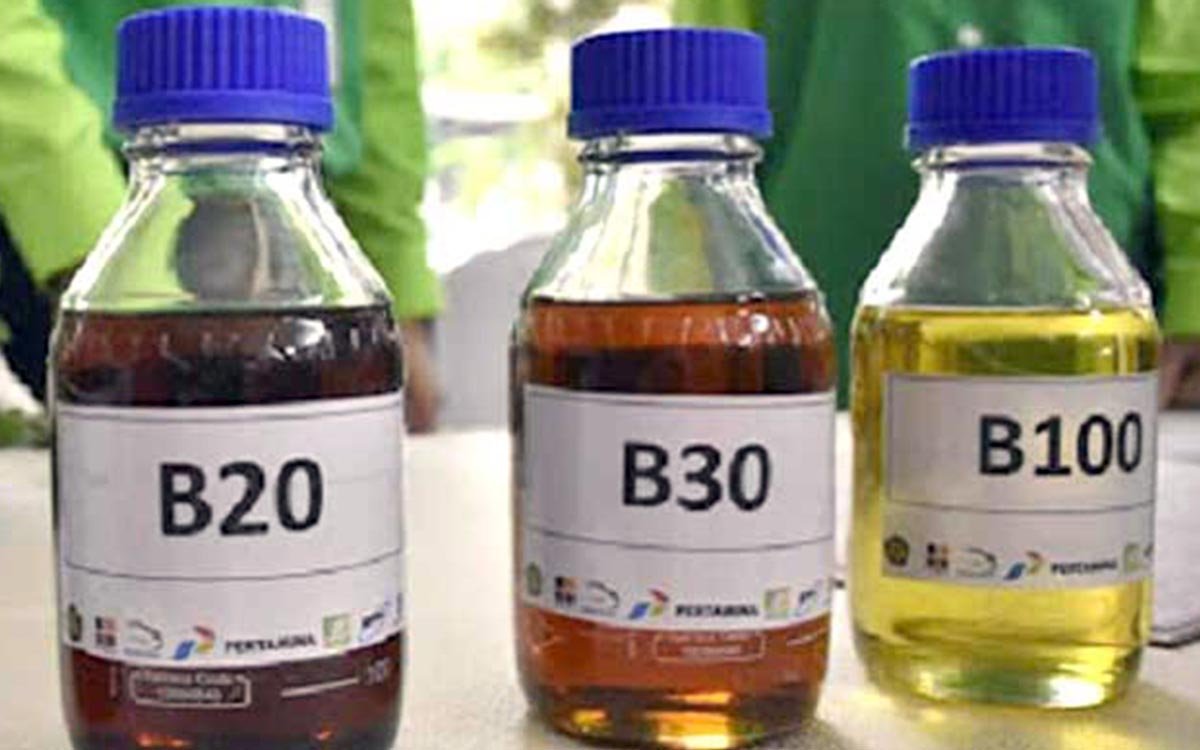
PALMOILMAGAZINE, KUALA LUMPUR — The Malaysian government is moving to expand the use of B20 palm-based biodiesel within the airport transportation sector, starting with ground service vehicles at Kuala Lumpur International Airport (KLIA).
Malaysia’s national palm oil authority, the Malaysian Palm Oil Board (MPOB), is currently holding discussions with ground vehicle operators and B20 biodiesel suppliers to facilitate fuel blending and adoption at KLIA. The initiative is part of a broader effort to increase biodiesel utilization in strategic transportation hubs.
The Ministry of Plantation and Commodities (KPK) said the B20 program is also being considered for rollout at other airports, including Senai International Airport, subject to the outcome of the KLIA pilot project.
Also Read: Indonesia’s Palm Oil Export Volume Climbs 9.09% in 2025, BPS Reports
“Any expansion of B20 usage for ground service vehicles at these airports will depend on the results of the KLIA pilot, funding approvals, as well as the availability of infrastructure and logistics at the respective airports,” the ministry said in a statement quoted by Palmoilmagazine.com from Bernama on Sunday (8/2/2026).
The statement was issued in response to a question from Datuk Iskandar Dzulkarnain Abdul Khalid (Kuala Kangsar) regarding the ministry’s plans to expand the use of B20 palm biodiesel blends across all Malaysian airports.
The move aligns with Malaysia’s broader agenda to strengthen domestic demand for palm oil through increased biodiesel consumption, particularly in key transportation sectors. The government expects the KLIA pilot project to serve as a reference before B20 is implemented more widely at airports nationwide. (P2)