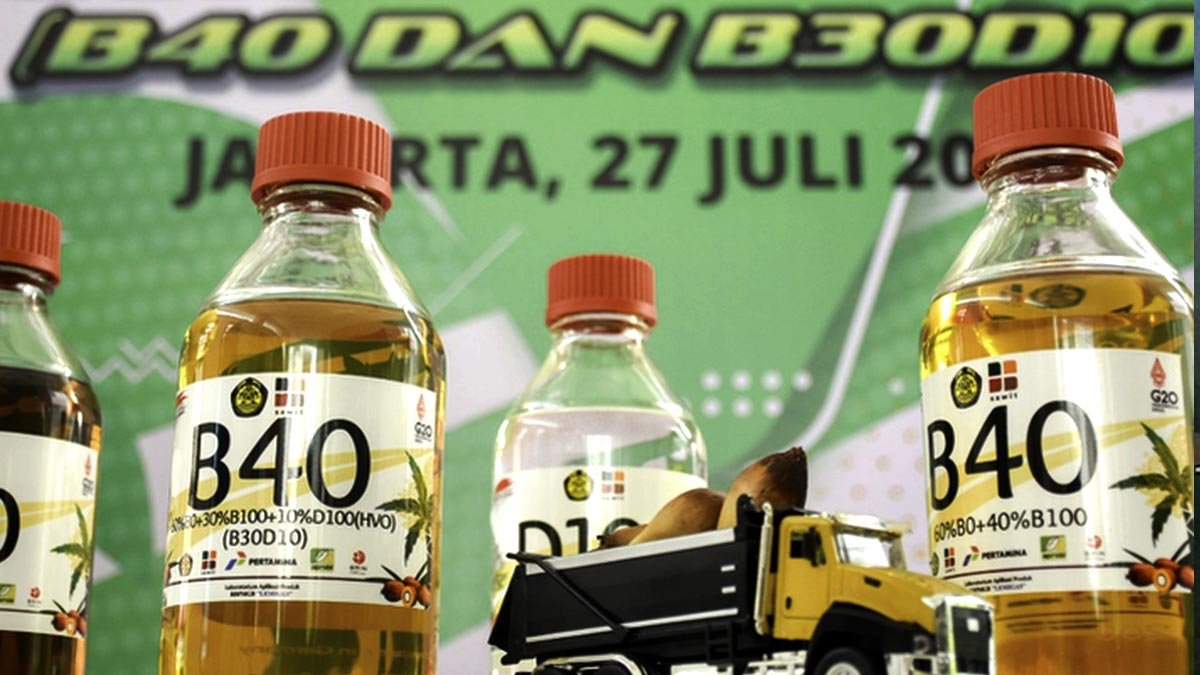
PALMOILMAGAZINE, DEPOK – A member of Indonesia’s National Energy Council (DEN), M. Fadhil Hasan, stated that moving toward B50 biodiesel implementation could become a game changer in ending diesel fuel imports and strengthening national energy security. According to him, increasing the biodiesel blending mandate is not merely an energy transition policy, but a broad economic strategy with significant impact.
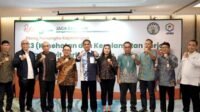
“B50 is both a strategic and pragmatic step — it reduces imports, saves foreign exchange, lowers emissions, and reinforces energy security, as long as it is managed sustainably,” Fadhil said during the Biodiesel Program 2026 Journalists Workshop in Depok on Thursday (5/2).
He explained that the implementation of B40 in 2025 has already provided concrete evidence that biodiesel can serve as a strategic economic policy instrument. The program’s success lays a strong foundation for raising the blending mandate to the next level.
Also Read: Jambi FFB Prices Decline IDR 55.42/Kg for 13–19 February 2026 Period
Fadhil further noted that if the B50 program runs in parallel with the completion of the RDMP Balikpapan Refinery project, diesel imports could be significantly reduced. In fact, in a January 2026 statement, the Energy and Mineral Resources Minister projected that Indonesia could record a diesel surplus of up to 4 million tons annually starting in 2026.
“From DEN’s perspective, this represents a major leap toward energy independence, particularly in the transportation sector,” he emphasized.
However, Fadhil cautioned that increasing biodiesel blending must be managed carefully. Ensuring sustainable crude palm oil (CPO) supply, optimizing potential diesel surpluses, and maintaining balance between food and fuel needs remain critical considerations to prevent new risks for the palm oil industry and the broader national economy. (P2)