PALMOILMAGAZINE, MUMBAI — Global vegetable oil markets are experiencing heightened volatility as geopolitical tensions in the Middle East push energy prices higher, creating mixed signals for demand and pricing outlooks.
According to leading vegetable oil analyst Dorab Mistry, market behavior during periods of conflict tends to be highly unpredictable. Developments often unfold rapidly, making it difficult for market participants to anticipate price movements.
“Market behavior during wartime is always very different, and many developments occur unexpectedly,” he said, as reported by Palmoilmagazine.com citing Reuters on Monday (March 21, 2026).
Also Read: Alleged POME Fraud in Indonesia Raises Red Flags Across Global Biofuel Supply Chains
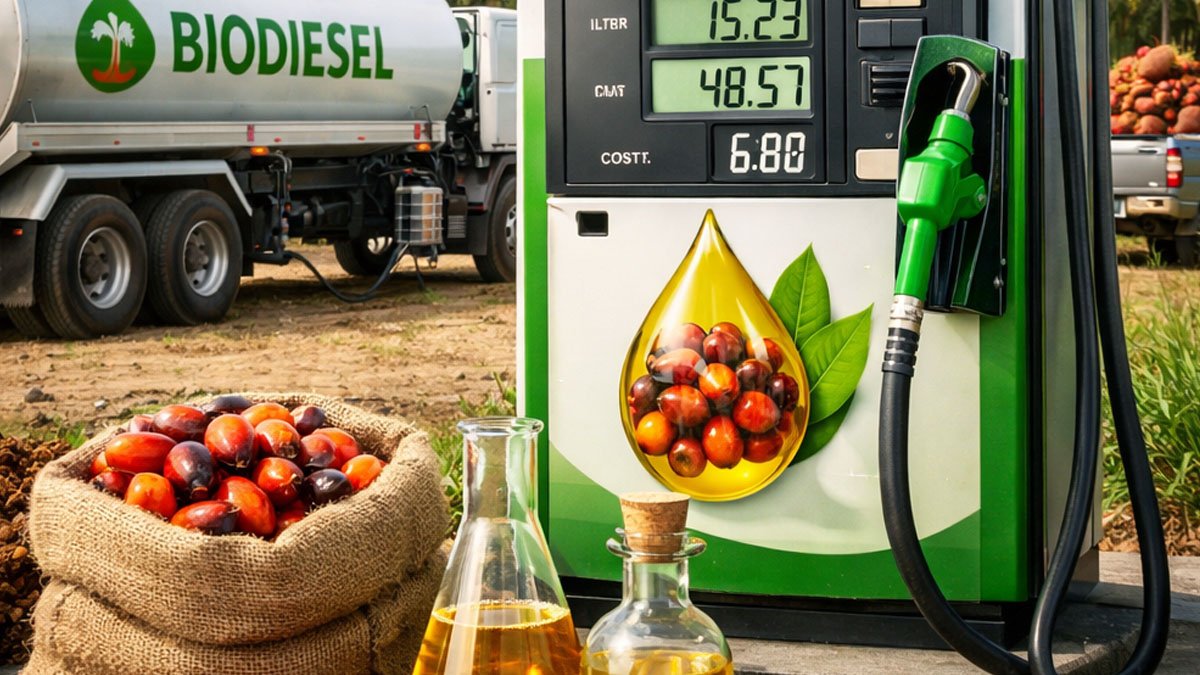
The recent surge in crude oil prices—reaching their highest levels in nearly four years—has increased the appeal of vegetable oils as feedstock for biodiesel. The spike has been driven in part by escalating tensions involving Iran, the United States, and Israel, including concerns over disruptions in key shipping routes such as the Strait of Hormuz.
Despite this supportive factor, demand fundamentals remain weak. High prices have dampened consumption, particularly among major importing countries. While biodiesel demand is expected to provide some support, it remains uncertain whether it can fully offset sluggish global consumption.
CPO Prices Surge, But Buying Power Weakens
Malaysian palm oil prices have surged around 14% this month, climbing above RM4,600 per ton. This has made palm oil less competitive compared to alternatives such as soybean oil, except in parts of Asia where lower logistics costs still offer some advantage.
Earlier projections had suggested crude palm oil (CPO) prices would remain in the range of RM3,800–RM4,300 through mid-2026, supported by ample supply and moderate demand. However, recent developments have shifted the outlook.
Also Read: Indonesia’s Palm Oil Boom: Output Hits 56.55 Million Tons, Exports Soar to $35.87 Billion
India, the world’s largest vegetable oil importer, has reportedly slowed new purchases amid elevated prices. Buyers are adopting a wait-and-see approach, anticipating potential price corrections before re-entering the market.
Indian importers are also facing additional pressure after reducing inventories and canceling several import contracts. Some shipments of soybean oil from South America and the Black Sea region have been scrapped, as high global prices have made domestic processing uneconomical.
Nonetheless, limited import arrivals could provide some price support in the Indian market. At the same time, abundant supply of mustard oil from the new harvest is expected to cap further price increases.
Also Read: Global Tensions Push Palm Oil Shipping Costs Up 50%, GAPKI Says Export Demand Begins to Slow
Going forward, market participants will closely monitor the balance between rising biodiesel demand—driven by elevated energy prices—and weak global consumption, which will ultimately determine the direction of vegetable oil prices, including palm oil. (P2)