PALMOILMAGAZINE, JAKARTA – The Badan Pengelola Dana Perkebunan (BPDP) is accelerating the implementation of the Smallholder Palm Oil Replanting Program (PSR) as part of a broader strategy to boost plantation productivity and safeguard the long-term sustainability of Indonesia’s palm oil industry.
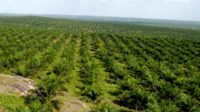
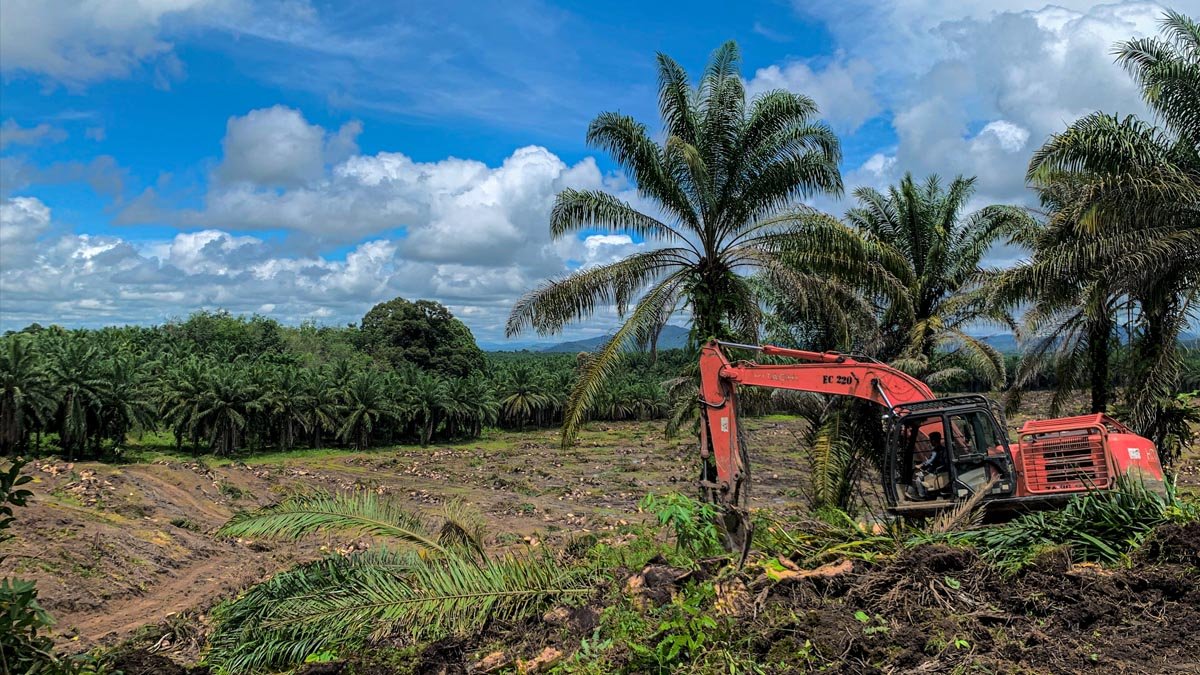
For 2026, BPDP has set an ambitious target to fast-track replanting across 50,000 hectares of smallholder oil palm plantations.
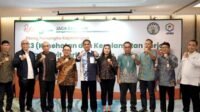
The commitment was marked by the signing of the first phase of a Tripartite Cooperation Agreement (PKS) for the PSR program in Jakarta on Wednesday (29/1/2026). This initial phase covers a total area of 5,682 hectares and involves 42 smallholder farmer institutions across 11 provinces. The signing ceremony was officially opened by BPDP Supervisory Board Chair Dida Gardera.
Also Read: Palm Oil Replanting Program Transforms Smallholders into Productive and Sustainable Partners
Addressing Structural Challenges in the Palm Oil Sector
In his keynote address, Dida emphasized that accelerating the PSR program is critical to addressing structural challenges facing Indonesia’s palm oil sector. These include sustainability concerns, land legality issues, low productivity among aging smallholder plantations, and evolving global regulations such as the European Union’s deforestation policy framework.
According to BPDP, the PSR program is not solely focused on replacing old and unproductive trees. It also serves as a key instrument to strengthen governance, improve compliance, and enhance the competitiveness of smallholder plantations in both domestic and export markets.
Also Read: Riau Smallholder FFB Prices Weaken for Mid-February, 9-Year Trees at IDR 3,642.08/kg
Strengthening Multi-Stakeholder Synergy
Looking ahead, BPDP will continue fostering collaboration between central and regional governments, banking institutions, and smallholder farmer organizations to ensure that PSR implementation remains targeted, transparent, and sustainable.
The acceleration of the PSR program is expected to deliver tangible impacts, including higher plantation productivity, stronger regional economic growth, and improved welfare for smallholder farmers. With coordinated efforts across stakeholders, BPDP remains optimistic that the 50,000-hectare replanting target for 2026 can be achieved. (P2)