PALMOILMAGAZINE, KUALA LUMPUR — Crude palm oil (CPO) prices are expected to move within a stable range with a strengthening bias in 2026, according to Maybank Investment Bank Bhd (Maybank IB), which projects average prices of RM4,100 per tonne for the year.
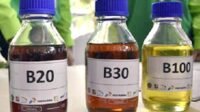
In its latest research note, Maybank IB estimates CPO will trade within a range of RM3,700 to RM4,700 per tonne, reflecting seasonal price patterns while remaining highly sensitive to policy developments—particularly Indonesia’s ongoing discussion around upgrading its biodiesel mandate to B50.
The bank said its current base case still assumes the continuation of B40, in line with biodiesel quotas that have already been allocated for 2026. As long as there are no unexpected announcements regarding B50, market pressure and price volatility are likely to remain relatively contained.
Also Read: Environmental Intelligence: Indonesia’s New Path to Sustainable Palm Oil
“Nevertheless, market discussions surrounding Indonesia’s B50 plan could influence price movements in 2026, as seen in the third quarter of 2025,” Maybank IB noted, as quoted by Palmoilmagazine.com from Bernama on Tuesday (13/1/2026).
Early 2026 Seen as Softer, End-Q1 May Bring Recovery
Maybank IB expects the year to open on a slower note due to elevated carryover inventories from 2025. However, sentiment could turn more constructive toward the end of the first quarter.
This anticipated shift would be supported by the convergence of two major factors: rising seasonal demand ahead of Chinese New Year in February and Ramadan in February–March, alongside the typical first-quarter production downturn.
“We are more optimistic on CPO prices toward the end of the first quarter of 2026, as festive demand coincides with the seasonal low-output cycle,” the bank said.
Also Read: Indonesia Expands Palm Oil Ties with Pakistan into Downstream Investment
5–10% Upside Possible If B50 Is Fully Implemented
Maybank IB also flagged the potential for prices to exceed its baseline projection should Indonesia move ahead with the full implementation of B50.
The bank estimates there could be 5% to 10% upside risk to prices if B50 is executed without compromise. However, significant questions remain over how the policy would be financed on a sustainable basis, given the wide price gap between palm oil and gas oil (POGO).
“It remains unclear how the Indonesian government will sustainably fund the B50 mandate. We believe the government may attempt to raise export levies in 2026,” Maybank IB said.
Sector View Remains Neutral, Trading Strategy Recommended
Maybank IB maintained a ‘neutral’ stance on the palm oil sector. While price upside remains possible, it is counterbalanced by persistent policy and regulatory risks from Indonesia, which continue to be a major source of uncertainty.
Looking ahead, the bank believes CPO price gains in 2026 are more likely to be demand-driven rather than supply-led, as global palm oil output growth is expected to remain limited.
“We recommend short-term trading strategies toward the end of the first quarter of 2026, while awaiting greater clarity from Indonesia and the United States regarding their ambitious biofuel targets,” Maybank IB concluded. (P2)