PALMOILMAGAZINE, JAKARTA — The Council of Palm Oil Producing Countries (CPOPC) has reaffirmed that palm oil is not merely an export commodity, but a strategic and irreplaceable pillar in supporting global food security and ensuring the affordability of food worldwide.
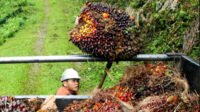
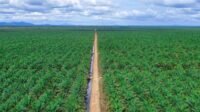
CPOPC Secretary-General Izzana Salleh said palm oil remains the most efficient and versatile vegetable oil globally. Despite accounting for nearly 42% of total global vegetable oil supply, palm oil utilizes less than 10% of the land allocated to oil-producing crops. This efficiency, she noted, positions palm oil as a critical contributor to food supply stability, energy transition efforts, rural livelihoods, and the global bioeconomy.
“Palm oil plays an indispensable role in food security, energy transition, rural prosperity, and the development of the global bioeconomy,” Izzana said, as quoted by Palmoilmagazine.com from CPOPC on Sunday (December 21, 2025).
Also Read:
However, she acknowledged that the palm oil sector continues to face persistent challenges, including recurring misconceptions, market volatility, and policy uncertainty. These challenges have been compounded by the introduction of new regulations, such as the European Union Deforestation Regulation (EUDR).
In response, CPOPC emphasized the importance of rules-based, non-discriminatory regulatory frameworks and market access, applied fairly across all vegetable oils and countries of origin. Regulations, Izzana stressed, must be transparent and proportionate to avoid creating excessive trade barriers.
“Imposing higher compliance burdens or trade restrictions that specifically target palm oil risks disrupting global supply chains, harming producers’ livelihoods, and ultimately undermining global food affordability,” she warned.
Also Read:
Entering its second decade, CPOPC reiterated its commitment to strengthening cooperation among producing countries, promoting science-based policymaking, and ensuring that no producing nation or smallholder farmer is left behind.
Izzana also expressed optimism about the future of the palm oil industry, emphasizing that progress must be built on collaboration rather than confrontation. She highlighted the importance of cooperation between producing and consuming countries, governments and industry players, and across regions and value chains to deliver practical solutions.
Such efforts, she added, can be realized through digital innovation, stronger national certification systems, and the adoption of inclusive sustainability frameworks.
“We believe that a fair, stable, and mutually beneficial global vegetable oil landscape can be built together,” Izzana said.
CPOPC reaffirmed its readiness to work with all stakeholders to shape a sustainable, transparent, and resilient future for palm oil—one that supports community welfare, protects the environment, and promotes shared prosperity. (P2)