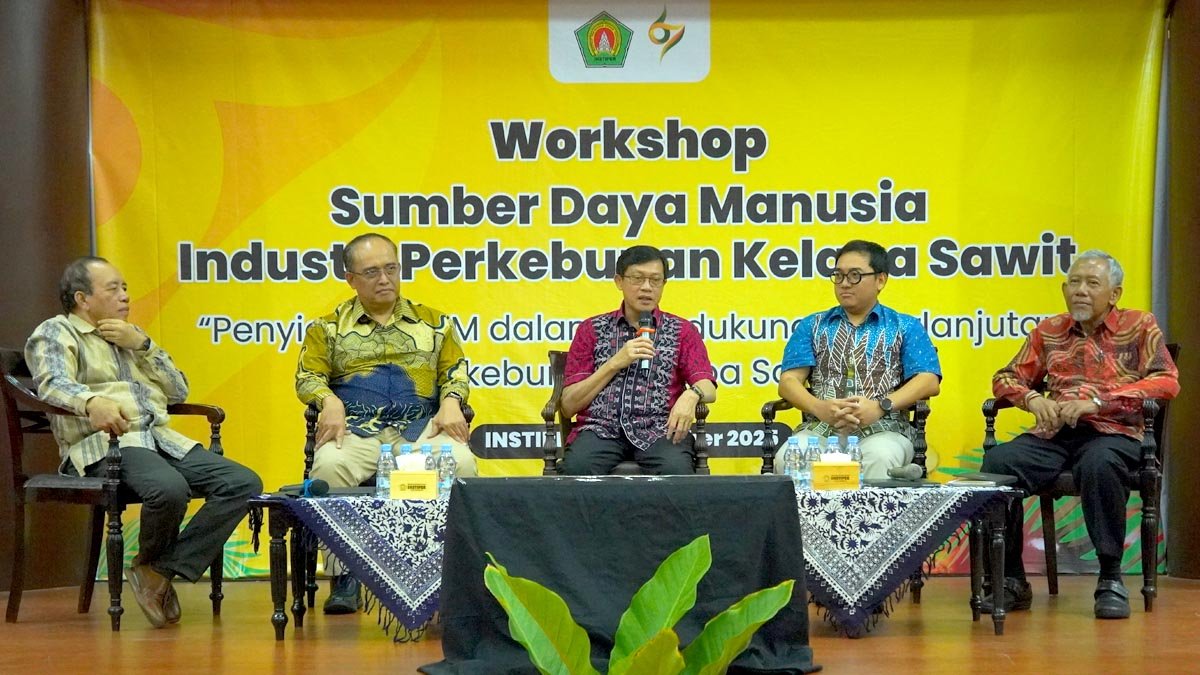
PALMOILMAGAZINE, YOGYAKARTA — Indonesia’s palm oil industry urgently requires a highly skilled and capable workforce to sustain its long-term growth. This message was emphasized by Dr. Purwadi, Director of the Palm Oil Science Center (PSKS) at INSTIPER Yogyakarta, during a workshop on palm oil plantation human resources titled “Preparing Human Capital to Support Sustainable Palm Oil Plantations,” held at INSTIPER Yogyakarta on Tuesday, December 9, 2025.
The workshop was part of the series of events marking INSTIPER’s 67th Anniversary (Dies Natalis). The event featured keynote speakers from various strategic institutions, including the Plantation Fund Management Agency (BPDP)—represented by the Acting Head of the Plantation Human Resource Development Division; the Directorate of Palm Oil and Various Palma Crops at the Ministry of Agriculture; PT Agrinas Palma Nusantara; the Indonesian Palm Oil Farmers Association (APKASINDO); the Plantation Human Capital Association Indonesia; the Rector of INSTIPER; and the Director of the Yogyakarta Plantation Community Academy (AKPY).
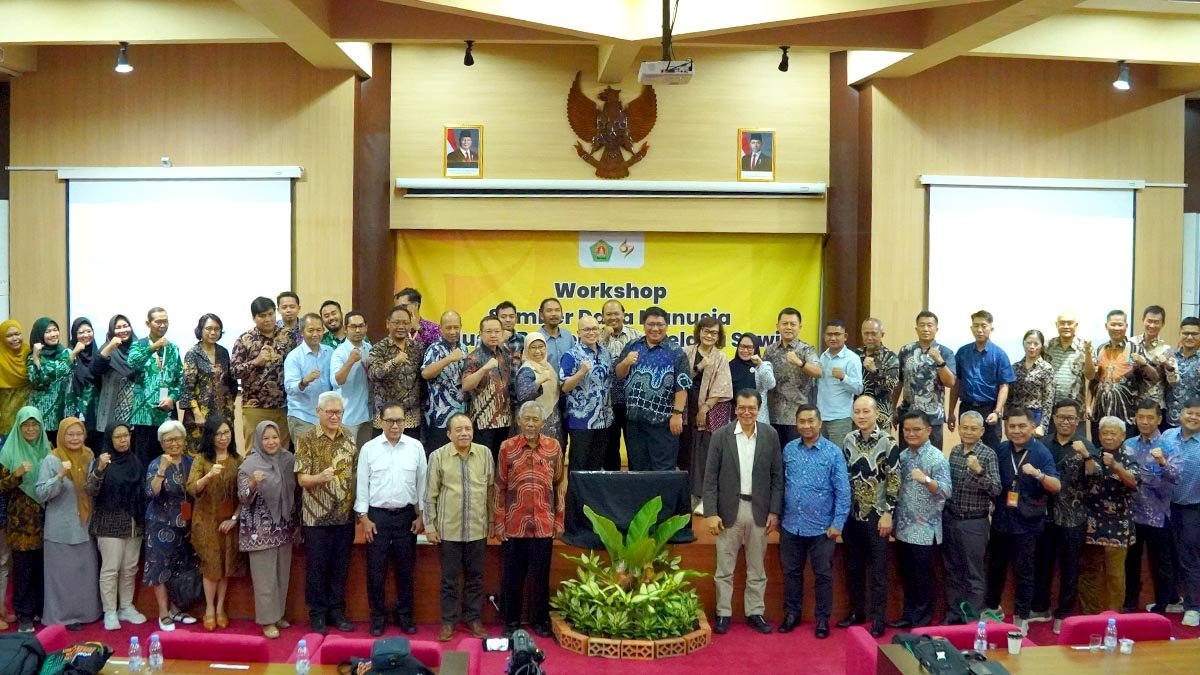
The workshop brought together representatives from 25 palm oil companies, along with lecturers from INSTIPER and AKPY Yogyakarta, to discuss the direction and competency needs of human capital in the national palm oil sector.
Also Read:
Dr. Purwadi underscored the crucial role of higher education institutions in addressing these challenges. “Universities must be able to respond to this demand. The palm oil industry is a backbone of Indonesia’s national economy. Institutions specializing in plantation sciences, including INSTIPER, must be ready to prepare graduates who are work-ready for field operations and possess strong character,” he said, in a statement received by Palmoilmagazine.com on Tuesday (9/12).
Human resources play a critical role in ensuring sustainability in any sector, particularly in the palm oil industry, which contributes significantly to both national and regional economic development. The sector forms a vast ecosystem capable of absorbing a substantial workforce. Current data shows that more than 12 million people depend on the palm oil industry, both directly and indirectly. This makes the development of competent and skilled human capital an essential requirement for sustaining the industry’s growth.
Dr. Purwadi further encouraged palm oil industry players and stakeholders to collaborate in preparing human capital that aligns with the sector’s evolving needs.
Responding to the discussion, INSTIPER Rector, Dr. Harsawardana, stated:
“Human resources are the key to a nation’s success, and the palm oil industry is no exception. The industry must operate with sustainable agricultural principles. We continue to innovate in our learning methods to prepare future palm oil professionals through strategic steps, including the use of emerging technologies,” he said.
INSTIPER Yogyakarta reaffirmed its commitment to producing graduates who are capable of performing fieldwork, resilient, determined, and equipped with modern technological expertise. Input gathered from palm oil companies during the workshop will serve as valuable material for academic improvements and curriculum planning—ensuring that INSTIPER graduates remain critical thinkers, resilient, skilled, and adaptive to technological advancements. (P3)