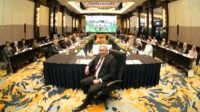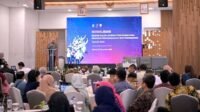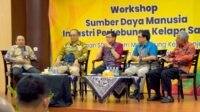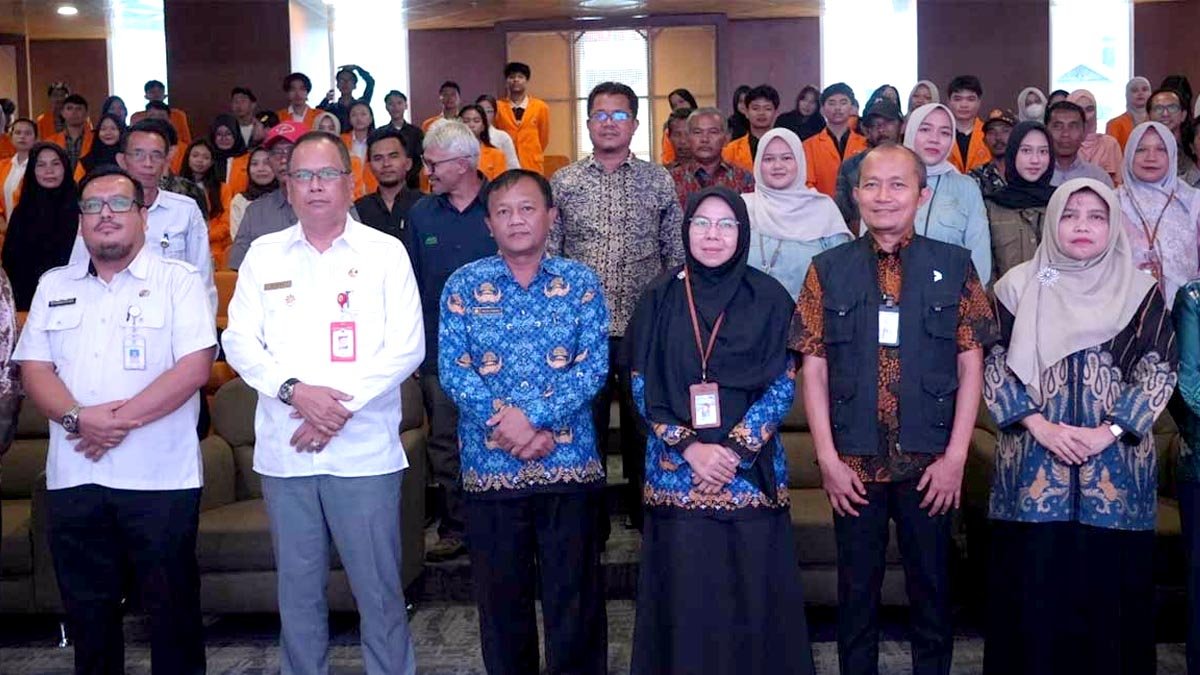
PALMOILMAGAZINE, MENDALO — The Institute for Research and Community Service (LPPM) of Jambi University (UNJA) has held a dissemination event for the 2024 research program funded by the Plantation Fund Management Agency (BPDP), carrying the theme “Accelerating Sustainable Palm Oil Ecosystem Management through Participatory Community Transformation.” The event took place on Wednesday at the UNIFAC Building Auditorium, UNJA Mendalo campus.
The dissemination served as a platform to share the results of collaborative research that places local communities at the center of efforts to promote sustainable palm oil management. The study was led by Prof. Rosyani and supported by a cross-institutional team involving academics, researchers, government representatives, and policy practitioners.
In their presentation, the research team emphasized that palm oil plays a strategic role in Indonesia’s national economy, while simultaneously facing significant environmental and social sustainability challenges. Through this research, LPPM UNJA and BPDP developed a community-based approach aimed at transforming palm oil ecosystem governance to be more sustainable, inclusive, and resilient.
Also Read:
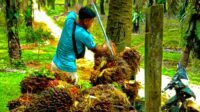
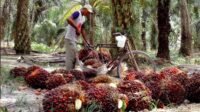
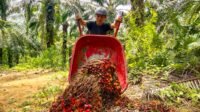
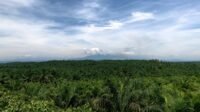
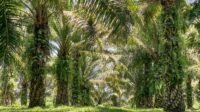
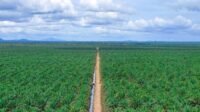
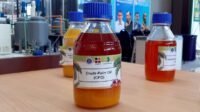
The research focused on Pematang Kabau Village, Sarolangun Regency, an area heavily dependent on monoculture oil palm plantations and vulnerable to ecological risks stemming from land-use change. The study encouraged farmers to move beyond their role as raw material producers and become drivers of the green economy by applying circular economy principles and developing value-added palm oil derivative products. To broaden outreach and improve public understanding, the research findings were also presented in the form of a documentary film.
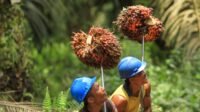
Prof. Rosyani explained that the study adopted a participatory action research approach, rather than a top-down model. Field data collection and pilot testing were conducted directly with community members. As part of the program, six Joint Business Groups (Kelompok Usaha Bersama/KUB) were established and received funding support from BPDP.
“We have proposed Pematang Kabau Village as an integrated living laboratory, or Desa DLT, to ensure that research and community engagement activities can be carried out sustainably and in a measurable manner,” Prof. Rosyani said, as quoted by Palmoilmagazine.com from UNJA on Friday (Dec 19, 2025).
LPPM UNJA Secretary Drs. Marzul Hidayat stressed that academic research must deliver tangible benefits for regional development. “Research should not stop at academic reports. Its impact must be felt directly, particularly in improving the quality of human resources and natural resource management in Jambi Province,” he said.
Meanwhile, H. Syamsurizal, Assistant II of the Jambi Provincial Secretariat, described the UNJA–BPDP collaborative research as an important example of synergy between research and public policy. He noted that innovation driven by collaboration is essential to boosting palm oil productivity without compromising environmental sustainability, while also improving smallholder livelihoods.
Appreciation was also expressed by the Sarolangun Regency Government. Ir. Dedy Hendry said the research successfully demonstrated the development potential of rural communities when supported through proper mentoring. The participatory community transformation model was regarded as a best practice worthy of replication in other regions, with the support of coordinated collaboration among local governments, village administrations, extension services, and the private sector. (P2)