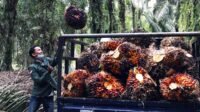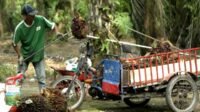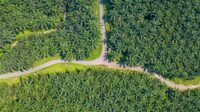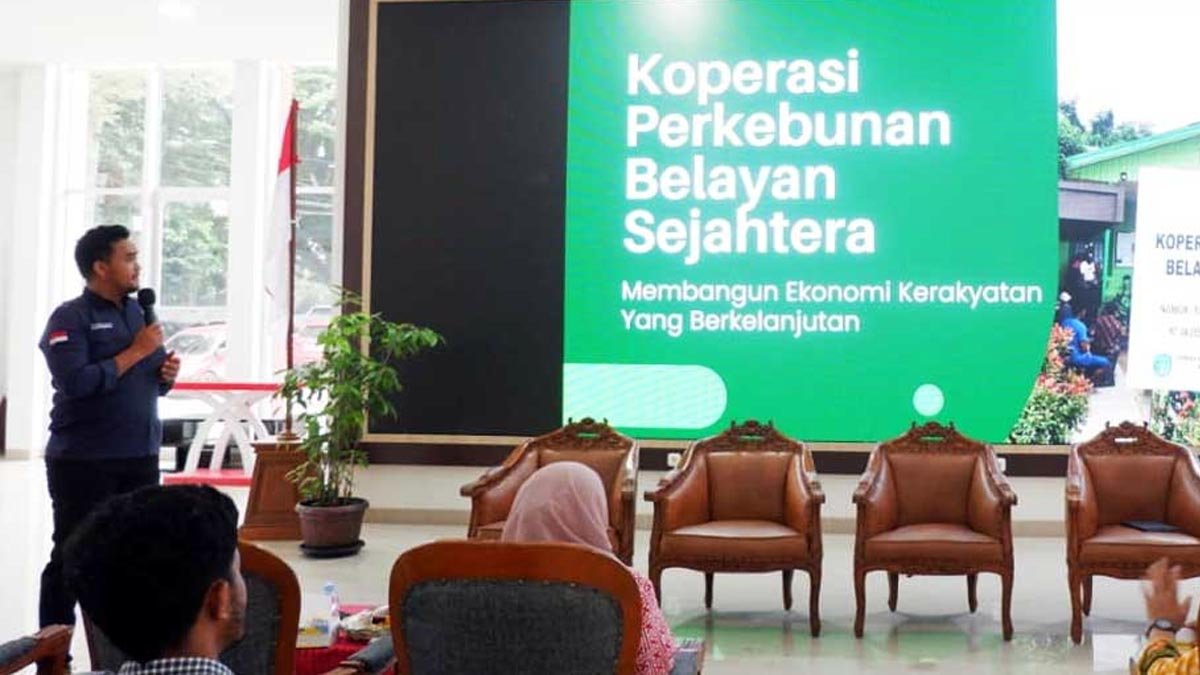
PALMOILMAGAZINE, East Kalimantan — Indonesia’s smallholder palm oil farmers have marked a new milestone on the global sustainability stage. Koperasi Perkebunan Belayan Sejahtera, a member of the Sustainable Palm Oil Farmers Forum (Forum Petani Kelapa Sawit Berkelanjutan/FORTASBI), has officially become the first cooperative in Indonesia to conduct global environmental disclosure through the Carbon Disclosure Project (CDP).
Beyond mere participation, the RSPO-certified smallholder cooperative delivered a standout performance by securing a B rating from CDP, the highest score achieved in the Small and Medium-sized Enterprise (SME) category.
CDP assessments are widely recognized for their independent and rigorous methodology. Evaluations cover data transparency, climate risk awareness, environmental governance, and concrete actions taken to address climate change and deforestation. In 2025 alone, nearly 20,000 organizations were assessed, with more than 22,100 entities worldwide reporting data through the CDP system—now a key reference for global investors and buyers in evaluating supply chain readiness for a low-emissions economy.
Also Read:
Chairman of Koperasi Perkebunan Belayan Sejahtera, Jamaluddin, emphasized that the achievement goes far beyond administrative compliance. “A B rating from CDP is not just recognition—it is a statement of intent. We want to show that farmer cooperatives, often seen as peripheral players, are fully capable of meeting global environmental transparency standards traditionally dominated by large corporations,” he said, as quoted by Palmoilmagazine.com from FORTASBI on Saturday (27 December 2025).
According to Jamaluddin, the decision to participate in global environmental disclosure was a conscious and strategic choice. Transparency was embraced despite the implications of undergoing strict and independent scrutiny. “We believe the future of farmers will not be shaped by normative arguments, but by open data, disciplined management, and the courage to transform,” he explained.
He added that the achievement reflects the tangible efforts of cooperative members in managing their plantations responsibly—protecting landscapes, regulating production, and aligning farming practices with evolving climate and market demands. “This proves that sustainability is not an added burden, but a core strategy for survival and growth,” Jamaluddin stressed.
Also Read: West Kalimantan Sets Highest Fresh Fruit Bunch Price at IDR 3,236.30/kg for Late December 2025
However, he noted that the milestone should not be seen as the finish line. Instead, it serves as a foundation to further strengthen governance, ensure reporting consistency, and integrate global market compliance into cooperative operations and smallholder practices. He also encouraged other cooperatives and agribusiness players to take similar steps. “Environmental transparency is not the exclusive domain of large corporations. It is a collective responsibility if Indonesian agriculture is to remain relevant and competitive globally,” he concluded.
From the global perspective, CDP CEO Sherry Madera highlighted that CDP scores have become a critical indicator for international business and finance. “CDP scores reflect a commitment to high-quality data that enables organizations to make economically sound decisions for the planet, enhance competitiveness, and build long-term resilience,” she said.
FORTASBI welcomed the achievement, noting that the success of Koperasi Perkebunan Belayan Sejahtera further demonstrates that certified independent smallholder palm oil farmers continue to move forward—not only in production, but also in transparent, responsible, and sustainable environmental management. (P2)