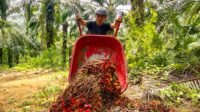
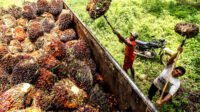
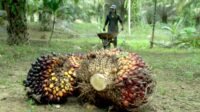
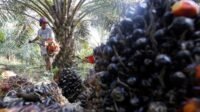
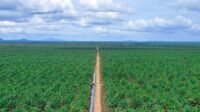
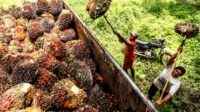
PALMOILMAGAZINE, JAKARTA — Smallholder oil palm farmers in Indonesia typically manage plots ranging from two to five hectares, relying on cultivation practices passed down through generations. Their knowledge is often simple and experience-based, yet it forms a vital foundation for the management of community-owned oil palm plantations.
This perspective was shared by WWF Indonesia’s Agroecology Research Officer, Eka Purnamasari, during a Small Talk (Smallholder Talk) session organized by Fortasbi, as quoted by Palmoilmagazine.com on Tuesday (30/12/2025). According to her, traditional smallholder practices need to be integrated with sustainable palm oil certification principles to ensure continued production without compromising environmental quality.
“At its core, sustainable palm oil certification serves as a guideline that allows farmers to continue cultivating oil palm while at the same time safeguarding the environment,” Eka explained.
Also Read:
She noted that certification frameworks establish several key requirements, including ensuring that oil palm plantations are located on land that is legally clear and not within forest areas, with well-defined land ownership status. These elements form a critical foundation for sustainable production and regulatory compliance.
In terms of cultivation practices, farmers are introduced to stratified systems that outline simple but structured steps, ranging from fertilizer selection and application rates to harvest record-keeping. This approach is designed to promote Good Agricultural Practices (GAP), ensuring oil palm cultivation remains efficient, environmentally responsible, and productive.
Beyond technical farming aspects, certification also addresses environmental and social dimensions. Environmental protection is a central concern, with strict safeguards to prevent ecosystem degradation. On the social front, certification standards explicitly prohibit the use of child labor in plantation activities, both in the field and in other work areas.
Also Read: Indonesia Sets January 2026 CPO Reference Price at USD 915.64 per MT
Eka emphasized that many certification principles are already aligned with the traditional practices of smallholders, who have long relied on natural ways of maintaining ecological balance. The key challenge lies in strengthening this knowledge, documenting existing practices, and aligning them with recognized sustainability standards.
“This approach is no longer just about restrictions or prohibitions. What matters more is how oil palm cultivation can be guided to help restore ecosystem functions,” she said.
According to Eka, with a more inclusive and participatory approach, sustainable palm oil certification can become a powerful empowerment tool for smallholders. It not only helps safeguard production and income but also ensures that smallholder plantations make a positive contribution to environmental protection and long-term sustainability. (P2)