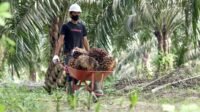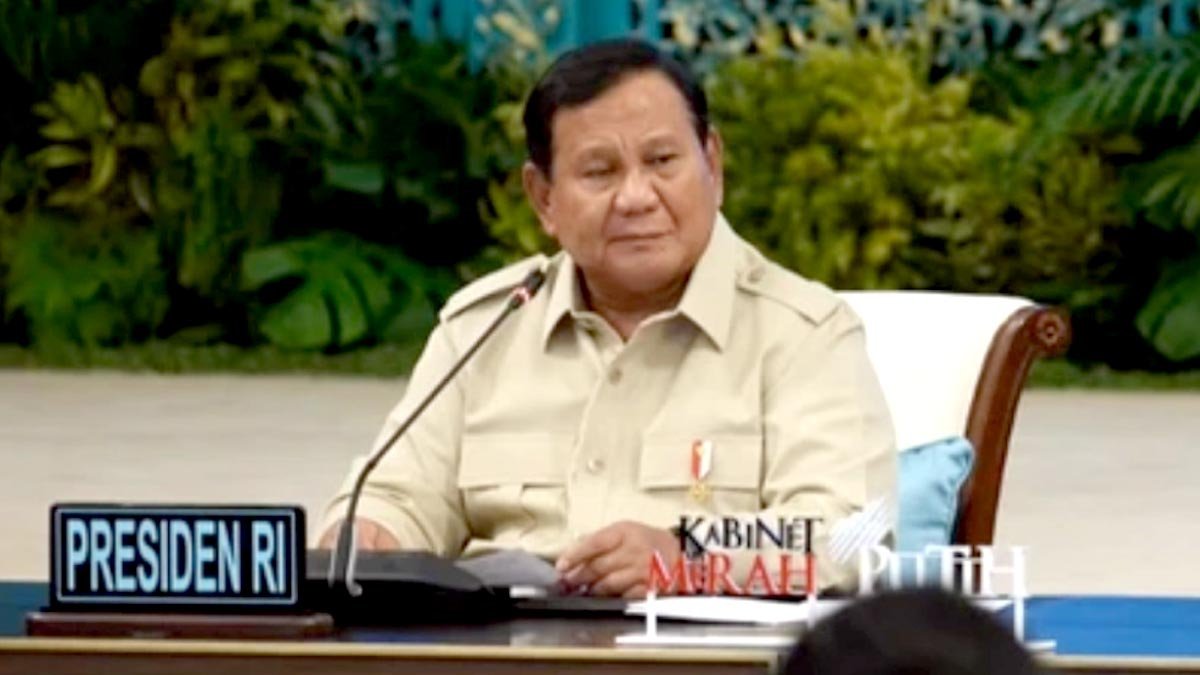
PALMOILMAGAZINE, KARAWANG — The Indonesian government is preparing to launch a new wave of large-scale enforcement against problematic palm oil plantations. President Prabowo Subianto announced that the state plans to seize an additional 4 million to 5 million hectares of illegal oil palm estates in 2026, following similar actions carried out in previous operations.
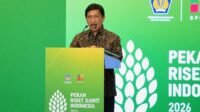
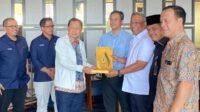
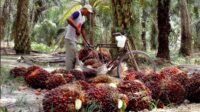
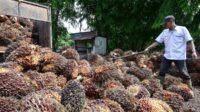
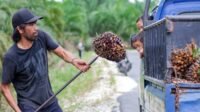
The statement was delivered during a mass harvest event in Karawang, West Java, on Wednesday (Jan 7, 2026). Speaking before farmers and senior government officials, President Prabowo reaffirmed his administration’s commitment to enforcing the law without exception, particularly against unlawful land occupation.
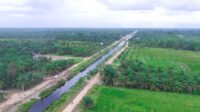
Prabowo said the government has already taken control of around 4 million hectares of palm oil plantations proven to be in violation of the law. The upcoming operation in 2026 will significantly expand those efforts, targeting millions of additional hectares still deemed legally problematic.
Also Read: West Java Lawmakers Highlight Oil Palm Expansion Risks, Push for Environment-Friendly Crop Shift
Beyond the plantation sector, the President also addressed the ongoing crackdown on illegal mining activities. He revealed that hundreds of unlicensed mining operations have been shut down, helping the state recover potential losses estimated at hundreds of trillions of rupiah. However, he acknowledged that financial leakages persist and remain under active investigation by law enforcement authorities.
“There must not be a single rupiah of state money misused,” Prabowo stressed, adding that the firm stance reflects a direct mandate from the public to the Red and White Cabinet to ensure national wealth truly benefits the broader population.
The warning marks a continuation of the government’s hard-line approach. In late December 2025, Prabowo had already stated that the seizure of millions of hectares of illegal palm oil plantations was only the beginning, asserting that large areas of forest land are still unlawfully controlled by parties who disregard regulations.
He also highlighted long-standing practices of illegal forest occupation, which he said were enabled by collusion between rogue business actors and corrupt officials. Bribery and backroom lobbying, he noted, have caused prolonged losses to the state.
For that reason, Prabowo called on the Forest Area Enforcement Task Force (Satgas PKH) and all law enforcement institutions, including the Attorney General’s Office, to maintain integrity and professionalism. He emphasized that all enforcement actions must be conducted transparently and free from personal interests, in order to safeguard public welfare and state finances. (P2)