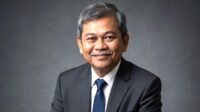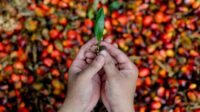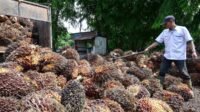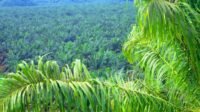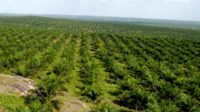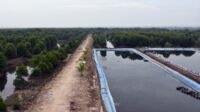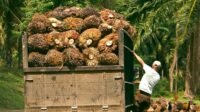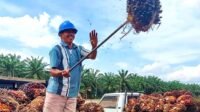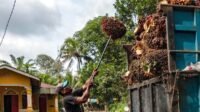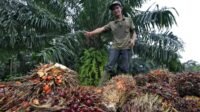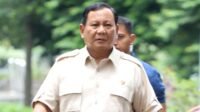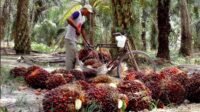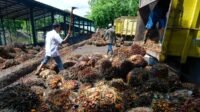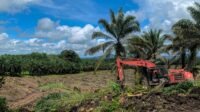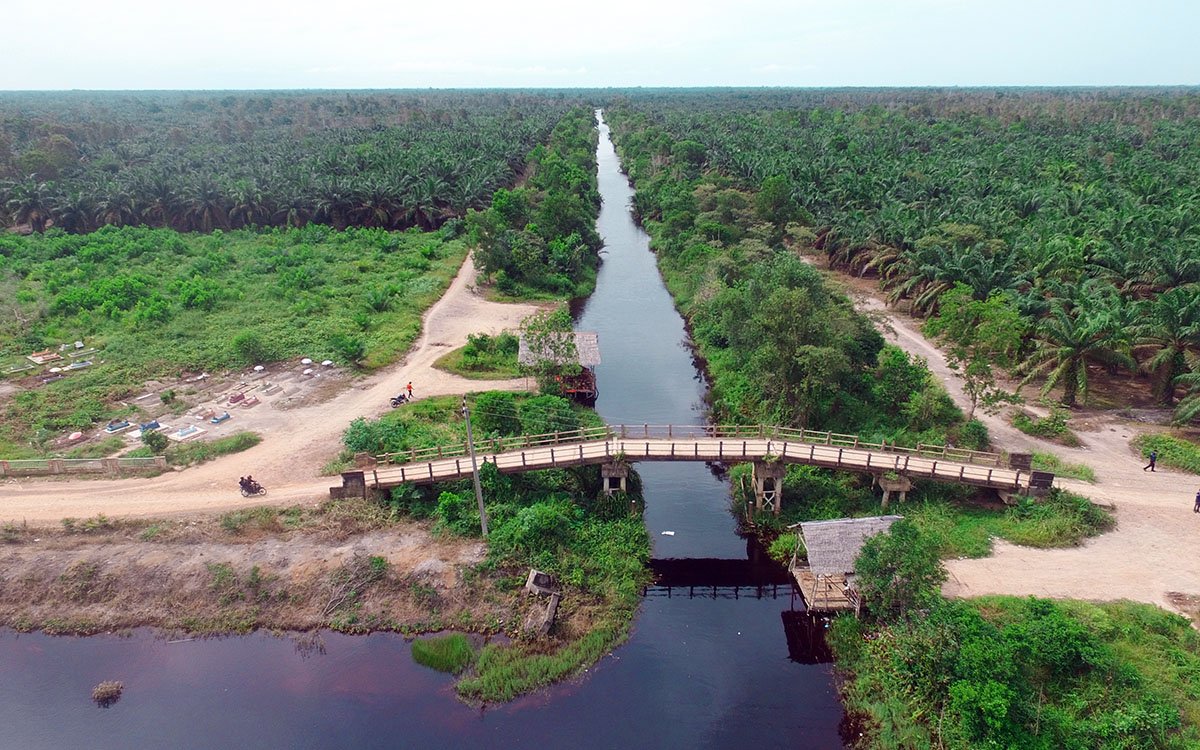
PALMOILMAGAZINE, KONAWE UTARA – The Regent of Konawe Utara, Ruksamin, disclosed that palm oil plantations in the regency covered approximately 23,850 hectares in 2023. These comprised 4,455 hectares owned by the government, 13,359 hectares owned by large plantation companies/plasma, and 6,036 hectares owned by independent smallholders.
He also mentioned the government’s regulation on palm oil profit sharing, which entails a minimum of 4% of revenue from out-fees on palm oil, crude palm oil, and their derivatives, as stipulated by ministerial regulations. Additionally, revenue from export levies on these products is subject to regulation, with profit sharing allocated as follows: 20% for palm oil-producing provinces, 60% for the producing regency/city, and 20% for neighboring regencies/cities.
Ruksamin said palm oil profit sharing should be calculated based on what the allocation which meant, 90% would be from the percentage of profit sharing and the regions as producers, and 10% would be from the performance of the regencies.
Also Read: SPKS, Oxfam, and Konawe Utara Advocate for Sustainable Palm Oil Action Plans
The 10% profit sharing should be used to performance in the regency to get poverty alleviation, develop sustainable palm oil plantations and others.
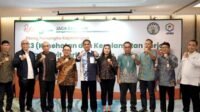
“Palm oil profit sharing should be used to fund, such as, to develop and maintain ways, and/or other activities that related ministry instructed,” he said when inaugurating Dialog Multipihak Sawit Berkelanjutan in Konawe Utara that Palmoilmagazine.com attended by the early of March 2024.
Ruksamin also mentioned, the regency would do to escalate palm oil profit sharing allocation, such as, expand palm oil plantations, escalate plantation productivity, increase the regency performance to minimize poverty, and other performance, do monitor and evaluation in profit sharing allocation. (T2)