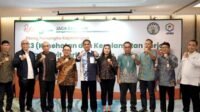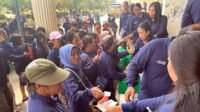
PALMOILMAGAZINE, JAKARTA — Agriculture that once relied on intuition is shifting toward data-driven precision farming powered by technology. This transformation was a central theme at the Indonesia Convention on Science, Technology, and Industry (KSTI) 2025 on Saturday (Aug 9), under the banner “Smart Agriculture 4.0: Integrating IoT, AI, and Robotics to Optimize Productivity and Sustainability.”
Arif Satria from Bogor Agricultural University (IPB) showcased several of the university’s flagship innovations, including Sawah 4.0, a smart rice-farming ecosystem designed to push yields beyond 10 tons per hectare. The system combines remote sensing via drones and satellites to monitor crop health in real time. Data collected is processed into precise recommendations delivered through the SMARTSeeds app, enabling farmers to optimize fertilization and irrigation, cut costs, and reduce environmental impact.
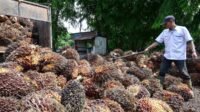
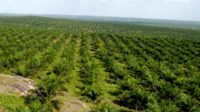
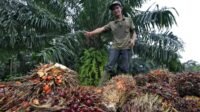
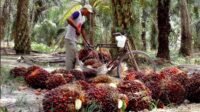
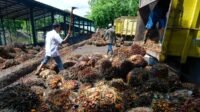
A similar approach is being applied to oil palm through Sawit 4.0, a program targeting smallholder empowerment. Using artificial intelligence (AI), oil palm populations are mapped with high accuracy. The PRECI PALM system then leverages satellite imagery to generate fertilization recommendations that improve efficiency by up to 20%. These are executed using the FASTREX precision applicator and transporter, showcasing the role of robotics in boosting plantation productivity.
Also Read: Aceh Promotes Palm Oil Downstream Investment Opportunities to Global Companies
Another innovation highlighted was an AI-powered portable food quality detector using near-infrared spectroscopy connected to smartphones. The device can assess fruit sweetness, egg freshness, and milk purity in under 10 seconds with high accuracy. “The added value of IPB’s innovations extends not only across Indonesia but also internationally,” said Arif, as reported by Palmoilmagazine.com from Kemdiktisaintek on Thursday (Aug 14, 2025).
On the policy side, Opik Ahmad Ropik, Director of Postharvest Agricultural Machinery at the Ministry of Agriculture, reaffirmed government support for adopting modern technologies. This support is structured around three pillars: incentive programs, regulations, and funding. Programs include direct provision of agricultural machinery (alsintan), farmer training, and credit interest subsidies. Regulations such as Indonesian National Standards (SNI) and certification ensure technology quality, while financing is provided through the state budget, business loans, and research grants.
“Technology adoption varies widely, so input from academics and practitioners is essential. We strongly support appropriate technologies that farmers can directly apply,” Opik stressed. (P2)