PALMOILMAGAZINE, KUALA LUMPUR — Palm Acid Oil (PAO) is steadily strengthening its position as a strategic commodity in the global industrial supply chain, with growing interest from European markets. Once known mainly as a raw material for laundry soap and calcium soap used in animal feed, this palm oil by-product is now evolving into a versatile feedstock serving multiple high-value industries.
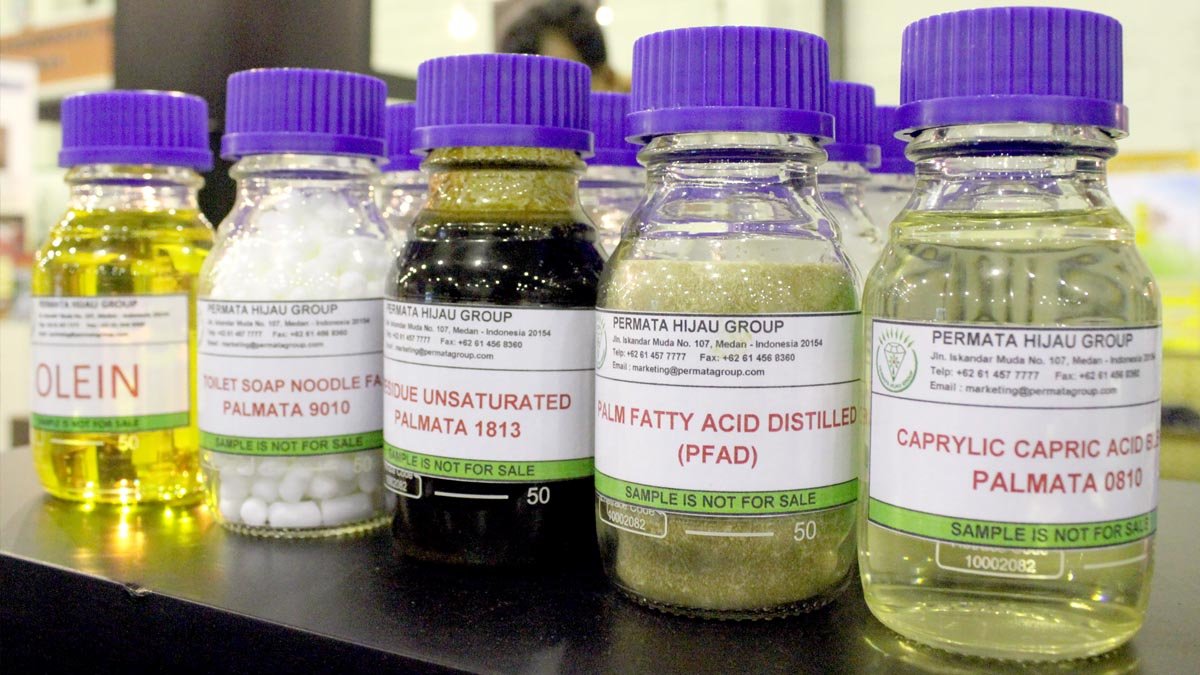
PAO is a distilled fatty acid fraction derived from palm oil mill effluent (POME) and chemically refined palm oil. With a free fatty acid (FFA) content exceeding 50%, strong neutral oil yield, and relatively low moisture levels of just 2–3%, PAO is widely regarded as well suited for biodiesel production, animal feed, and soap and detergent manufacturing. While its FFA content is slightly lower than palm fatty acid distillate (PFAD), PAO shares similar chemical characteristics, offering flexibility for oleochemical and renewable energy applications.
This combination of performance and cost efficiency has positioned PAO as a competitive and sustainable alternative feedstock, particularly as industries seek lower-carbon solutions without compromising economic viability.
Also Read:
According to an article by Hajar Shamsudin of the Malaysian Palm Oil Council (MPOC), the global PAO market is estimated to reach US$820 million in 2025, expanding at an average annual growth rate of 8.5% to around US$1.72 billion by 2034. This robust growth is largely driven by rising biodiesel demand, underpinned by mandatory biofuel blending policies and international commitments to reduce carbon emissions.
Beyond renewable energy, PAO is also seeing increased demand in the oleochemical and animal feed sectors. Rising consumption of soaps, detergents, and animal nutrition products—along with broader needs from the chemical industry—continues to reinforce PAO’s role as an increasingly indispensable commodity.
Several downstream palm-based applications are now fueling PAO demand:
Biodiesel — High FFA content makes PAO an ideal feedstock for transesterification processes. The strongest demand comes from Malaysia, Indonesia, and European Union countries, with Sweden emerging as one of the most aggressive adopters of PAO-based solutions in pursuit of green energy targets.
Oleochemicals — PAO is used to produce fatty acids, esters, and glycerin, which are key inputs for lubricants, surfactants, and cosmetic products.
Soaps and Detergents — Its lauric and palmitic acid content enhances hardness and cleansing performance, making PAO a preferred choice for large-scale industrial soap and detergent manufacturing.
As Europe accelerates its transition toward cleaner energy and sustainable industrial inputs, PAO is increasingly viewed not merely as a by-product, but as a strategic asset in the future of the global palm oil value chain. (P2)