PALMOILMAGAZINE, JAKARTA — The Indonesian Palm Oil Smallholders Association (POPSI) has raised concerns over a proposal to increase palm oil export levies in 2026, linked to plans to lift the biodiesel mandate from B40 to B50. The farmers’ group warns the move could undermine Indonesia’s palm oil competitiveness in global markets and squeeze smallholder incomes upstream.
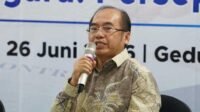
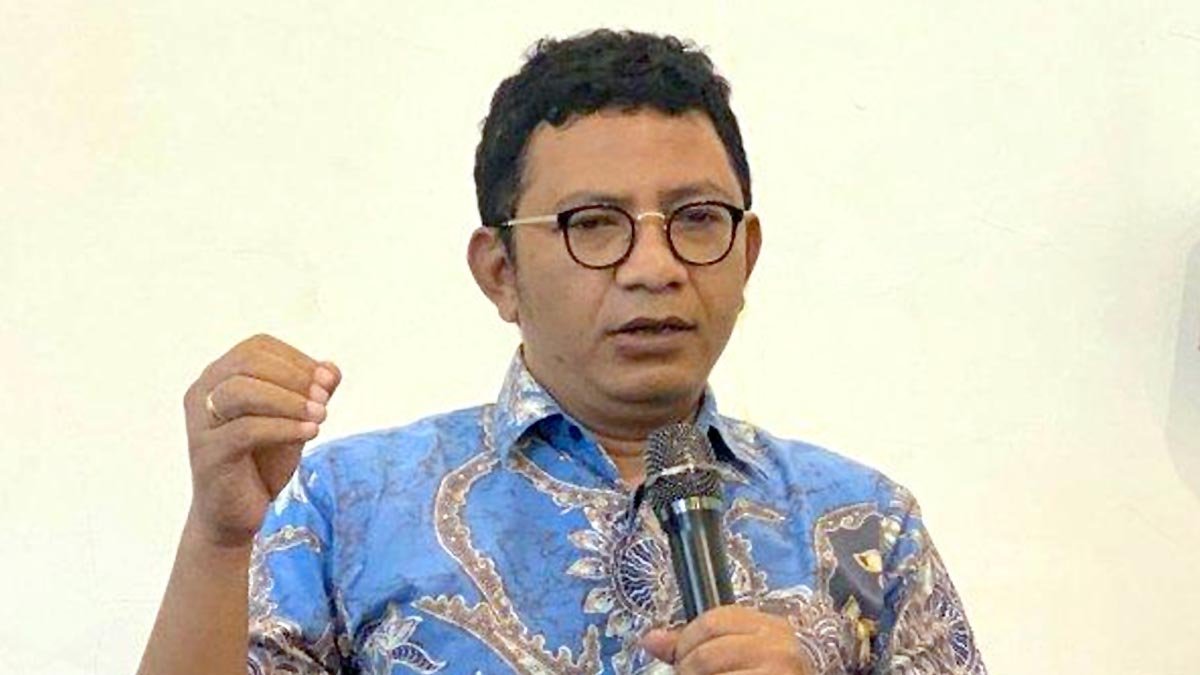
POPSI Chairman Mansuetus Darto said additional levies would push up export prices—including cost, insurance, and freight (CIF)—making Indonesian palm oil less competitive. He stressed that biodiesel was originally designed as a market-stabilization tool, not to dominate demand through an aggressive B50 mandate.
“If biodiesel policy is made overly dominant up to B50, that’s a mistake. The impact won’t just hit global markets—it will damage the palm oil ecosystem from upstream to downstream,” Darto said in a statement carried by Palmoilmagazine.com on Wednesday (Dec 31, 2025).
POPSI also highlighted funding risks, noting that biodiesel incentives still rely heavily on the Plantation Fund Management Agency (BPDP). Forcing B50 without alternative financing, Darto warned, could sideline farmer-focused programs—ranging from smallholder replanting and productivity gains to human capital development, infrastructure support, and ISPO certification mandated under the Plantation Law.
Currently, palm oil export levies range from USD 75 to USD 95 per ton, depending on international CPO prices. At the same time, palm-based biodiesel remains relatively costly, requiring BPDP to cover the gap with imported diesel prices. POPSI cautioned that BPDP funds have already been heavily drawn down, with several farmer programs stalled and reserves expected to thin by mid-2026. Any levy hike would, in turn, directly pressure fresh fruit bunch (FFB) prices at the farm gate.
Citing a 2018 study by the Palm Oil Farmers Union, POPSI noted that every USD 50-per-ton increase in export levies can reduce FFB prices by about Rp435 per kilogram. “That means each additional levy immediately erodes farmers’ incomes,” Darto said.
A similar view was voiced by POPSI member and APKASINDO Perjuangan Chairman Alvian Rahman, who argued that farmers consistently bear the final cost of policy decisions. “Smallholders don’t directly benefit from biodiesel programs, yet they’re asked to pay through lower FFB prices. This policy imbalance keeps repeating,” he said.
From the analyst community, Abra Talattov, Head of the Food, Energy, and Sustainable Development Center at INDEF, said any move toward B50 must be preceded by a thorough evaluation of existing policies. “A decision to raise the mandate to B50 should follow a comprehensive review of the implementation of Presidential Instruction No. 132 of 2024. Today’s conditions differ from when earlier policies were adopted,” Abra said.
POPSI’s Alternative Proposals
POPSI stressed it does not oppose biodiesel, but urged policymakers to redesign the program to be fairer, more realistic, and grounded in comprehensive evaluation. One proposal is more targeted biodiesel subsidies focused on Public Service Obligation (PSO) sectors, with a subsidy cap of around Rp4,000 per liter. This approach is intended to preserve BPDP sustainability without depressing CPO and FFB prices when global palm oil prices rise.
The group also proposed a flexi-blending scheme, setting B30 as the minimum while adjusting blending rates dynamically. When CPO prices are high and subsidy burdens increase, blending levels could be reduced; when CPO prices soften and fossil fuel prices climb, blending could be raised gradually to B40 or higher to absorb more domestic CPO.
In addition, POPSI urged that any increase in biodiesel blending be tied directly to national production and productivity performance. If CPO output rises—toward 50–60 million tons per year—higher blending could be considered as a policy option. This would position biodiesel as both an energy transition instrument and a stabilizer for the palm oil sector and domestic value creation.
Finally, POPSI emphasized that BPDP should not be the sole financier of B50. Clear burden-sharing is needed among BPDP, the state, and industry efficiency gains, with a cap on BPDP’s contribution to protect farmer funds. “If the government claims biodiesel delivers diesel savings of up to Rp135 trillion per year, then burden sharing becomes an urgent policy decision,” Darto concluded. (P2)