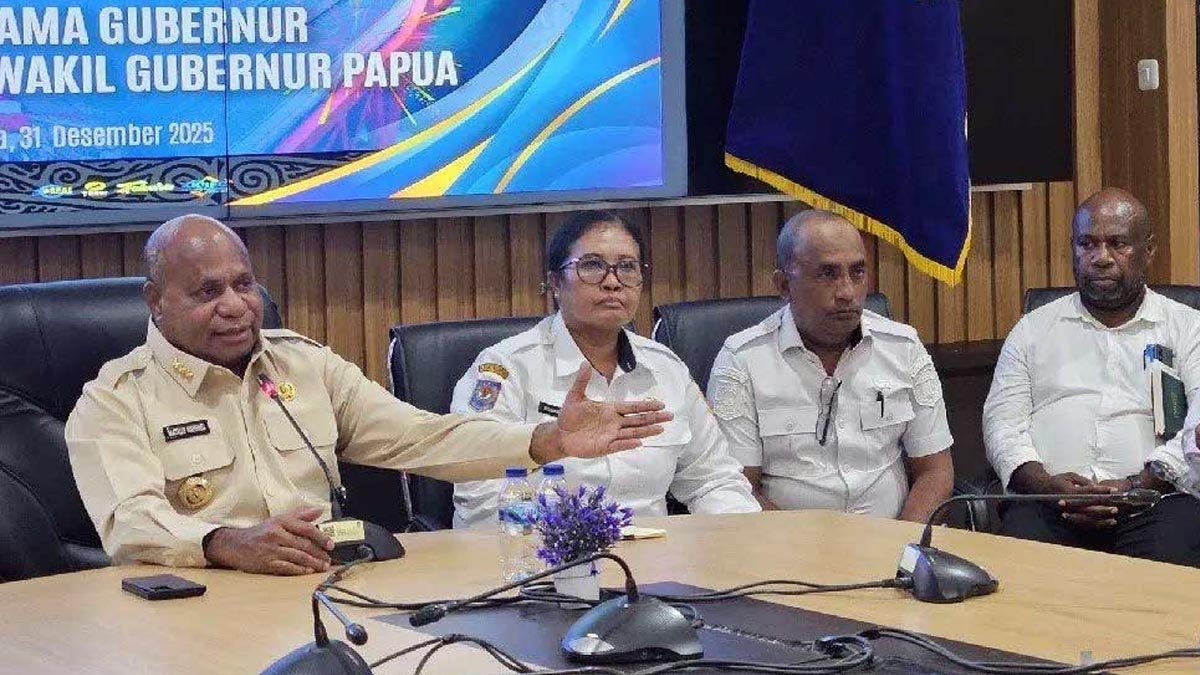
PALMOILMAGAZINE, JAYAPURA – Papua Governor Mathius D. Fakhiri has firmly stated that the provincial government will not issue any new permits for oil palm plantation development, particularly projects that risk damaging soil structure and the environment. The policy reflects Papua’s commitment to environmental sustainability while restructuring the existing plantation sector.
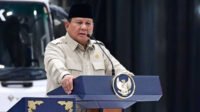
“I want this to be clarified and written correctly. What I conveyed represents the President’s directive to governors and regents. It is not an order to open new palm plantations, but to shift land use and reorganize what already exists,” Mathius said in Jayapura, as quoted by Palmoilmagazine.com from Antara on Friday (January 2, 2026).
He emphasized that the Papua Provincial Government’s stance follows President Prabowo Subianto’s instructions to regional leaders across Indonesia. As a result, the current policy is focused on reviewing and reorganizing palm oil plantations that already hold permits.
Also Read: APKARINDO: Palm Oil Dominates Policy, Rubber Left Behind
The main attention, he said, is directed at companies that are inactive or have failed to meet their licensing and environmental obligations.
“Companies that are inactive and do not fulfill their obligations will be evaluated, and their permits will be revoked,” Mathius stressed.
He revealed that up to 2025, the provincial government had revoked a number of palm oil plantation permits due to non-compliance, including failure to meet financial obligations. He has instructed relevant technical agencies to strictly follow up on the process.
Also Read: KPBN CPO Price Rises on Wednesday (January 7), Malaysian Palm Oil Futures Strengthen
“As of 2025, there are already permits we have revoked because the companies failed to meet their obligations, and I have ordered the heads of the agencies to proceed firmly,” he said.
Mathius further confirmed that land from revoked palm oil concessions will not be reassigned for new palm oil development. Instead, the areas will be redirected toward other, more environmentally friendly commodities, such as cocoa, in line with programs of the Ministry of Agriculture.
“I have received cocoa seedlings from the Minister of Agriculture. Former plantation areas that have long been neglected will be used for rejuvenation, not for opening new palm oil estates that risk damaging the soil,” he explained.
Also Read: Malaysian Palm Oil Futures Rise, Supported by Soyoil Gains and Weaker Ringgit
Beyond permit restructuring, the governor also requires existing palm oil companies to build processing facilities in Papua. The move aims to ensure crude palm oil (CPO) is no longer shipped out of the region without value addition.
“I am obliging existing palm oil companies to build mills here so there is added value and job creation for the people of Papua,” Mathius concluded. (P2)