PALMOILMAGAZINE, KUALA LUMPUR — As the global lifestyle, wellness, and eco-friendly product industries continue to expand, palm-based candles are emerging as one of the most promising downstream opportunities for the palm oil sector. According to an analysis by Hajar Shamsudin of the Malaysian Palm Oil Council (MPOC), the global candle market reached an estimated US$8.4 billion in 2024 and is projected to grow steadily alongside shifting consumer preferences.
Candles are no longer viewed merely as a source of light. They have evolved into lifestyle products closely associated with home décor, aromatherapy, celebrations, and personal wellness. This transformation has significantly expanded demand for natural and sustainable raw materials—an area where palm oil, particularly from Malaysia, holds strong competitive advantages.
Large Market, Rising Demand
North America currently dominates the global candle market with an estimated share of around 40 percent, followed by Europe at approximately 30 percent. In both regions, demand for premium and environmentally friendly candles is rising rapidly, especially in key markets such as Germany, the United Kingdom, and France. Average candle consumption in the European Union has reached 1.69 kilograms per person per year, reflecting a mature yet still expanding market.
Asia, meanwhile, is emerging as the fastest-growing region. Rising incomes in China, India, and Japan, combined with urbanization and changing lifestyles, are driving strong growth in home ambience and wellness products, including scented candles.
Also Read: India’s Food Association Warns “No Palm Oil” Labels May Mislead Consumers
The combination of mature Western markets and accelerating growth in Asia positions candles as a long-term, high-potential segment—particularly for producers of plant-based wax materials.
Palm Oil as a Competitive Core Ingredient
Palm oil occupies a strategic position in the global candle industry. Its derivatives—including palm stearin, palm kernel stearin, stearic acid, and glycerin—offer superior technical properties such as higher melting points, strong structural stability, consistent burning, and better performance in warm climates.
Also Read: Malaysian Palm Oil Futures Rise, Supported by Soyoil Gains and Weaker Ringgit
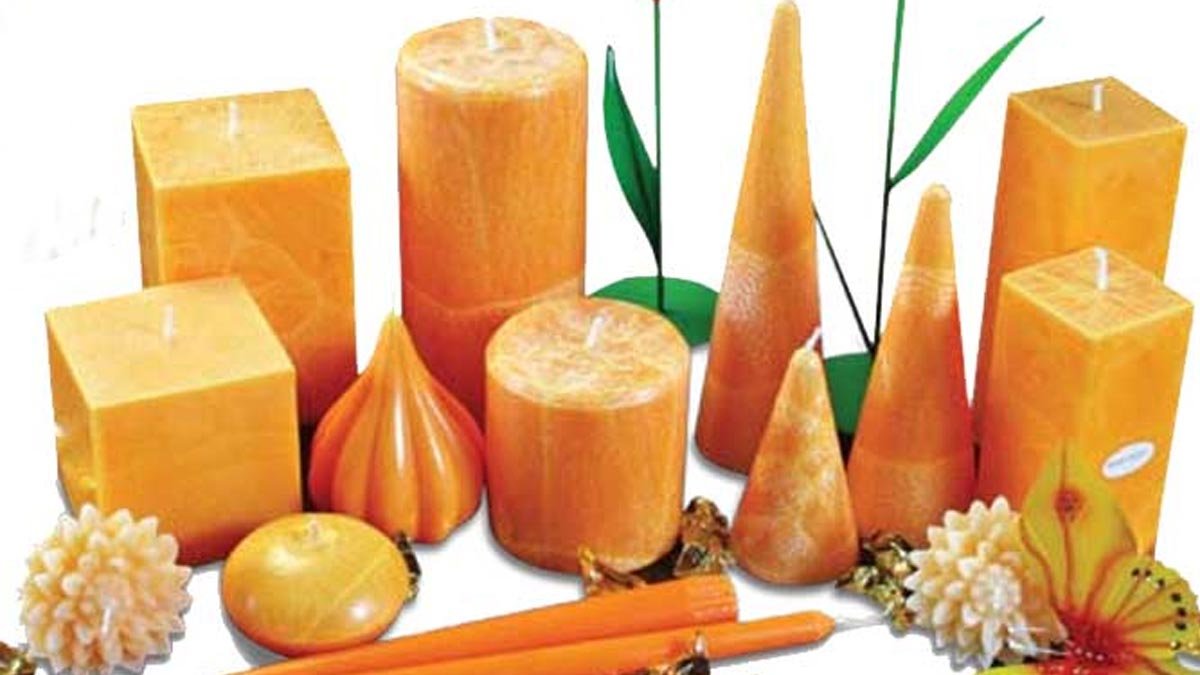
These qualities make palm-based candles suitable across a wide range of segments, from decorative and pillar candles to premium aromatherapy products. Compared to petroleum-based paraffin candles, palm-based alternatives typically produce less soot, burn longer, and are considered safer for indoor use.
From a cost perspective, palm oil also provides production efficiency, enabling manufacturers to produce high-quality candles at competitive prices—an important factor for both mass-market penetration and premium positioning.
Sustainability Momentum Adds Strategic Value
Market prospects for palm-based candles are further strengthened by rising environmental awareness. Global demand for candles made from natural ingredients such as palm, soy, and beeswax continues to grow, in line with broader green consumption trends.
Palm-based raw materials benefit from additional credibility through Malaysia’s MSPO sustainability certification, which ensures traceability, environmental management, and responsible labor practices—key requirements in European and North American markets.
With sustainability credentials in place, palm-based candles can be positioned as environmentally responsible products without compromising on performance or aesthetic quality.
Beyond candles themselves, the global candle market opens significant downstream opportunities for the palm oil industry. Rather than exporting crude or semi-processed products, producers can move further into high–value-added segments, including specialty waxes for premium and aromatherapy candles.
Luxury and artisan candle segments—often inspired by high-end perfumery—represent niche markets with strong margins. The growing involvement of global fragrance and lifestyle brands in candle product lines suggests that this market is far from saturated. (P2)