PALMOILMAGAZINE, YOGYAKARTA – Oil palm plantations will never be able to replace the role of natural forests, particularly in terms of ecology and the sustainability of life-support systems. This was emphasized by Lis Noer Aini, a lecturer in the Agrotechnology Study Program at Universitas Muhammadiyah Yogyakarta (UMY).
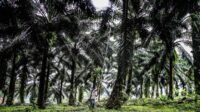
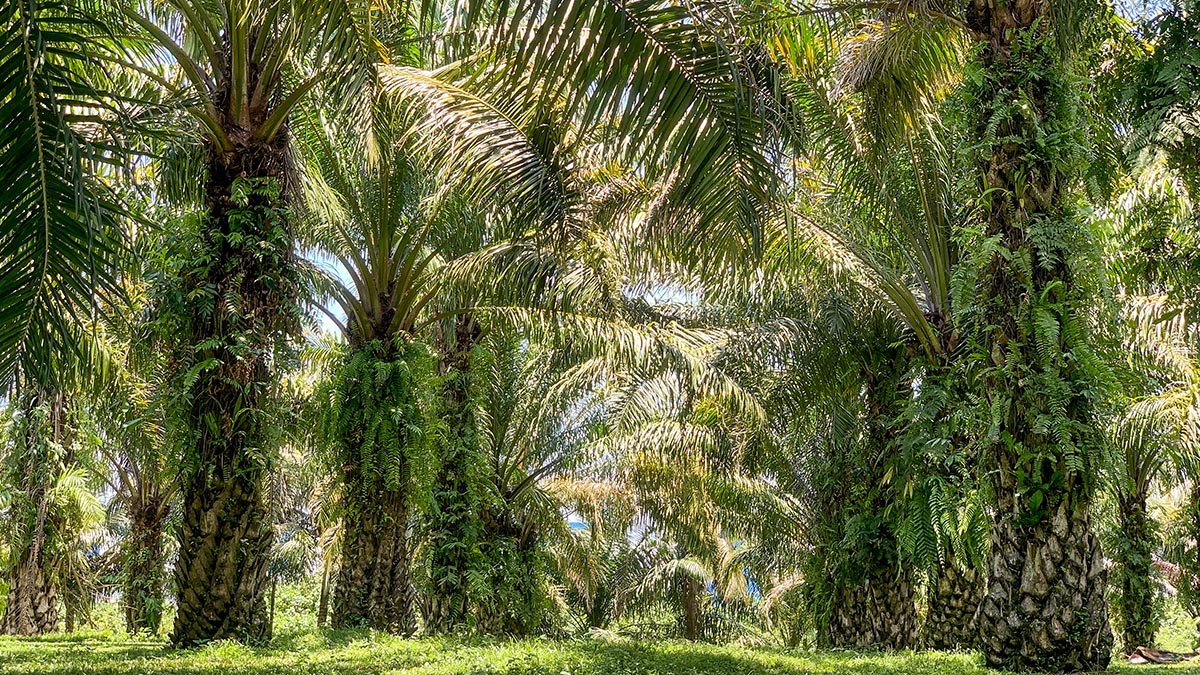
According to Lis, the fundamental difference between natural forests and oil palm plantations lies in their vegetation structure and ecological systems. Natural forests have a complex, multi-layered structure, consisting of various strata ranging from tall canopy trees and medium-sized trees to shrubs, undergrowth, and soil microorganisms. In contrast, oil palm plantations are monocultures, dominated by a single crop species with relatively uniform age and height.
“Forests are multi-strata and complete ecosystems. They provide space for large and small plants, wildlife, and soil microbiology. Oil palm plantations, on the other hand, only offer habitats for certain limited species,” Lis said, as quoted by Palmoilmagazine.com from UMY on Monday (5 January 2026).
Also Read: Indonesia Advances Palm Oil Genetic Research to Protect Long-Term Food and Energy Security
This condition, she explained, has a direct impact on biodiversity. In forest ecosystems, food chains can function in a balanced way because habitats and food sources are naturally available. Monoculture systems, however, cause many species to lose their living space, resulting in a significant decline in biodiversity.
Beyond biodiversity, forests also have a far greater capacity to absorb and store carbon than oil palm plantations. The diversity of tree sizes and canopy layers allows carbon sequestration to occur at multiple levels. In oil palm plantations, carbon that is not absorbed by roots and leaves is more likely to be released back into the atmosphere.
“When carbon is released into the air, greenhouse gases increase. Global warming essentially begins with the deforestation we carry out ourselves,” she said.
Also Read: Papua Governor Bans New Palm Oil Permits, Pushes for Processing Plants and Value Addition
Lis also highlighted the impact of forest loss on both microclimate and global climate change. Forest clearing for monoculture crops has been proven to raise local temperatures, reduce humidity, and accelerate ecosystem degradation on a broader scale.
Nevertheless, she stressed that criticism of forest conversion does not automatically mean rejecting palm oil–based economic development. Such development, she said, must be governed by spatial planning and environmental sustainability principles, as stipulated in Law No. 26 of 2007 on Spatial Planning, which divides land into protected areas, buffer zones, and cultivation areas.
“Forests are life-support systems, while oil palm is a production system. If we only pursue production without protecting life-support systems, environmental damage becomes inevitable. In fact, both can coexist if spatial planning and environmental regulations are truly respected,” she concluded. (P2)