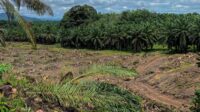
PALMOILMAGAZINE, WEST PAPUA — The West Papua Provincial Government has reaffirmed that any plan to release forest areas for oil palm plantation development must first obtain formal approval from indigenous communities as customary landowners. The policy is aimed at safeguarding indigenous rights while protecting the remaining forests of Papua.
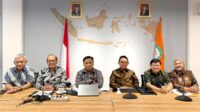
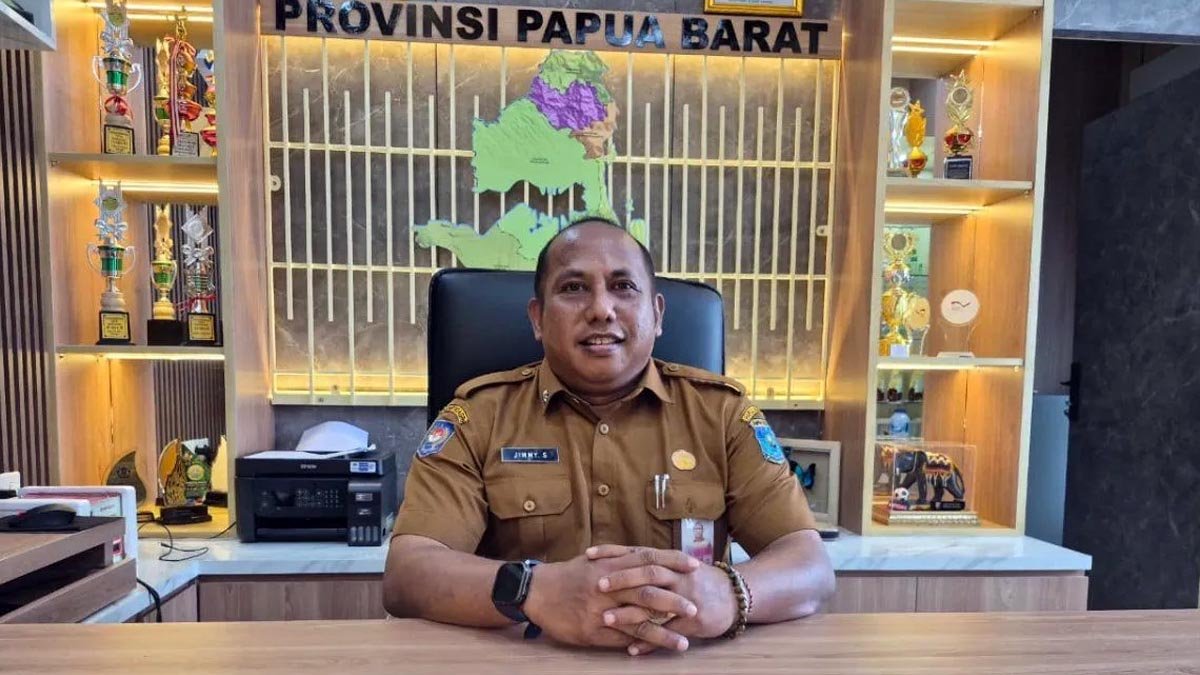
Head of the West Papua Forestry Agency, Jimmy Walter Susanto, said indigenous aspirations are the central consideration in all decisions related to forest utilization. He made the statement in Manokwari on Monday.
“West Papua already has a standard operating procedure. Every proposal to release forest land must be accompanied by a written consent letter from the indigenous community,” Jimmy said, as quoted by Palmoilmagazine.com from Antara, Tuesday (6/1/2026).
Also Read: Indonesia Sets January 2026 Biodiesel Market Index at IDR 13,631 per Liter
He stressed that the provincial government places indigenous peoples as the primary subjects in all forestry-related decision-making processes. This principle, he said, is intended to prevent social conflict and ensure that investment proceeds in line with indigenous rights protection and forest conservation.
“If indigenous communities do not agree, the governor will not issue a recommendation, and we will not provide technical clearance. This applies to all permits in the forestry sector,” he said.
Jimmy added that since 2019, the West Papua Provincial Government has stopped issuing new permits for oil palm plantations. The move was taken to reduce greenhouse gas emissions and support Indonesia’s Forestry and Other Land Use (FOLU) Net Sink 2030 target.
Also Read: KPBN Inacom CPO Prices Edge Higher on Friday (9/1), Malaysian Palm Oil Futures Slip on Profit-Taking
Under the FOLU Net Sink 2030 framework, there are seven priority programs to increase carbon absorption in the forestry sector, including reducing deforestation and forest degradation and strengthening sustainable forest management.
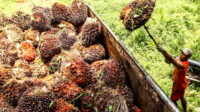
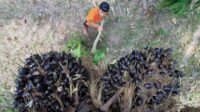
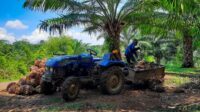
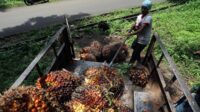
“All oil palm plantations in West Papua are existing estates. There are no new permits for land clearing. Current plantations are located in Manokwari, Teluk Bintuni, and Fakfak,” he said.
Earlier, Chairman of Committee III of the Regional Representative Council (DPD RI), Filep Wamafma, said the government must conduct in-depth assessments before implementing any plan to expand oil palm plantations in Papua.
Also Read: Indonesia Advances Palm Oil Genetic Research to Protect Long-Term Food and Energy Security
According to Filep, comprehensive studies must cover environmental, social, cultural, and indigenous livelihood aspects. He emphasized that Papuan indigenous communities view forests as a mother figure, a place of protection, and the foundation of life.
“Papua has highly sensitive ecological characteristics. Any natural resource–based investment policy must not ignore indigenous rights,” he said.
He also urged the government to learn from forestry investment experiences in other regions that have triggered environmental disasters. Filep even suggested that President Prabowo Subianto may not have received complete references regarding plans to expand oil palm plantations in Papua.
“Perhaps the President was given incomplete information by expert teams regarding proposals to add new oil palm estates in Papua,” Filep said. (P2)