PALMOILMAGAZINE, PALANGKARAYA — The Central Kalimantan Regional Police (Polda Kalteng) have raised their security alert across oil palm plantation areas throughout 2026, following a sharp increase in plantation-related crimes recorded last year.
Central Kalimantan Police Chief Inspector General Iwan Kurniawan, through Head of Public Relations Senior Commissioner Erlan Munaji, revealed that authorities handled at least 118 palm oil plantation crime cases in 2025, marking a significant rise from the previous year.
“This represents an increase of around 37 percent compared to 2024, when approximately 74 cases were recorded,” Erlan said, as quoted by Palmoilmagazine.com from Antara on Tuesday (6/1/2026).
He stressed that rising crime in plantation zones cannot be underestimated, as it poses serious risks to the investment climate and directly threatens palm oil productivity in Central Kalimantan.
“If preventive measures are not strengthened, palm oil output in this province will decline. That is why we are stepping up efforts to prevent crimes in plantation areas,” he said.
Beyond criminal investigations, Polda Kalteng together with the Garuda Task Force has also carried out Forest Area Enforcement Operations involving 309 palm oil cooperatives managing a combined area of 619,806 hectares. These operations have triggered complex dynamics on the ground.
Also Read: West Java’s Palm Oil Debate: POPSI Warns Farmers at Risk Without Mill Support
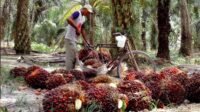
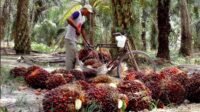
According to Erlan, the follow-on impacts included nine blockades by community groups, 142 inter-group land disputes, 307 police reports related to theft and looting of fresh fruit bunches (FFB), and six public protests.
“We continue to conduct evaluations and in-depth analysis so that similar cases can be reduced in 2026,” he noted.
He underlined the importance of prioritizing preventive approaches to keep communities from becoming involved in criminal activity. Plantation-related crimes, he said, are driven by a range of social and economic factors, making early prevention more effective than purely repressive measures.
“If prevention is no longer possible, then law enforcement procedures will be carried out,” Erlan asserted.
So far, Polda Kalteng has generally responded to security requests from plantation owners. However, the vast scale of oil palm estates across the province presents a serious challenge.
“This situation cannot be handled through routine duties alone. Plantation areas require special security measures,” he concluded. (P2)