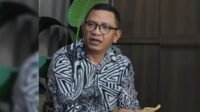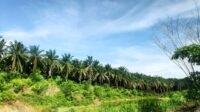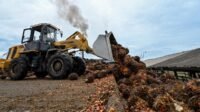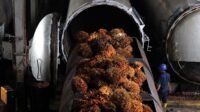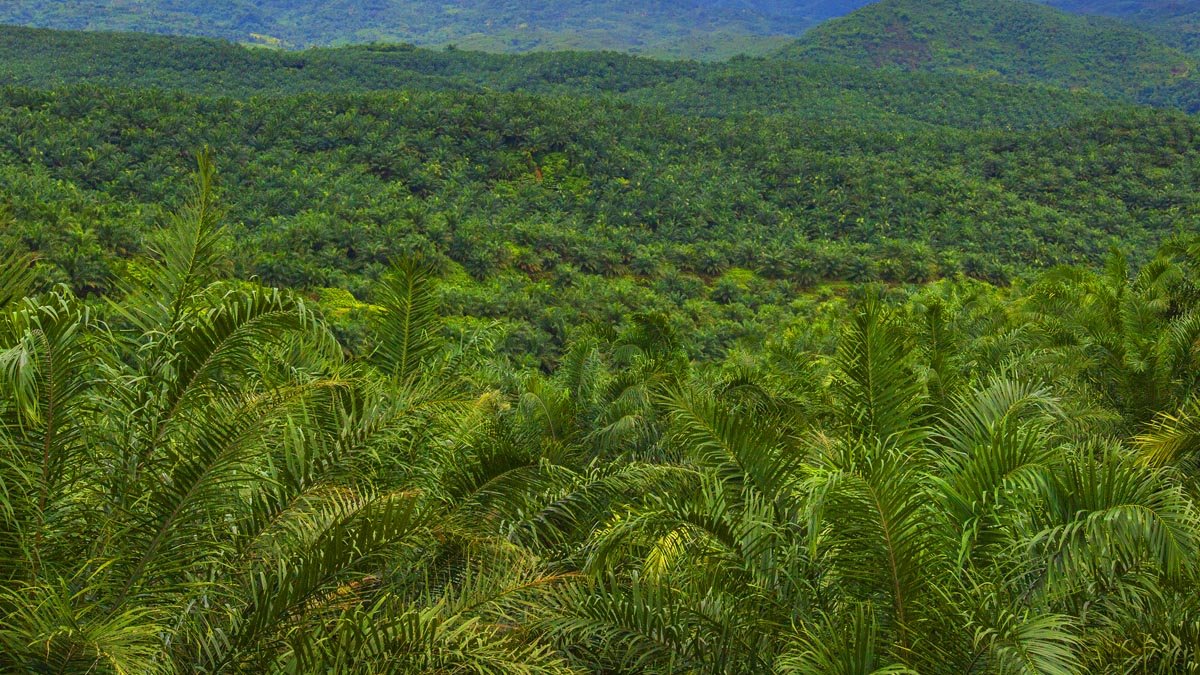
PALMOILMAGAZINE, JAKARTA – Deputy Minister of Home Affairs Ribka Haluk has clarified growing public discourse surrounding oil palm cultivation in Papua, stressing that President Prabowo Subianto has never instructed local governments in the region to plant oil palm.
Speaking on Thursday (January 8, 2026), Ribka dismissed circulating opinions suggesting there was a presidential directive to promote palm oil plantations in Papua. “There is an emerging narrative that the President instructed Papua to plant oil palm. That is not true,” she said, as quoted by Palmoilmagazine.com from Detik.
According to Ribka, the President’s actual directive places emphasis on accelerating regional development, particularly strengthening food security and improving public welfare. Palm oil, she noted, is merely one example of an economically valuable commodity, not a mandatory or exclusive option.
Also Read:
Her clarification referred to a meeting held on December 16 at the State Palace, attended by the President, cabinet ministers, and regional leaders from six provinces and 42 regencies/cities across Papua. The meeting aimed to align understanding between central and regional governments on the urgency of accelerating development in Papua.
Ribka explained that Papua possesses a wide range of potential commodities that could support Indonesia’s national food security agenda. Beyond oil palm, the region has strong prospects in sago, cassava, rice, taro, and various tubers, which can be developed according to local geographical and ecological conditions.
“These commodities are not only sources of food, but can also be processed into value-added downstream products, including alternative energy such as ethanol,” she said. “Palm oil does have economic value, but it is not the only option. The President has never instructed regional heads to plant any specific commodity.”
Also Read: Papua Shifts Former Palm Oil Areas to Cocoa, Governor Reaffirms No New Palm Permits
She further emphasized the urgency of accelerating development in Papua, given the vast untapped natural resource potential. This underutilization, she said, has contributed to persistent development and welfare gaps between Papua and other regions of Indonesia.
As a result, the President is pushing for comprehensive development encompassing regional economic strengthening, human resource empowerment, and the construction of basic infrastructure. Ribka added that infrastructure development is particularly crucial to reducing the high transportation and logistics costs that have long burdened Papua.
“Food security in agriculture, livestock, and other sectors must be implemented by local governments. The objective is clear: to reduce transportation costs and dependence on supplies from outside Papua,” she stated.
Ribka concluded that the President’s directives are aligned with the vision of Golden Indonesia 2045, under which no region should be left behind in national development. Local governments in Papua are therefore encouraged to ensure communities have proper access to education, employment opportunities, and sustainable livelihoods.
“All Papuans must be prosperous, have sufficient food supplies, and ensure their children receive a proper education. Regional governments also need to introduce policy breakthroughs, such as free education and other social programs,” Ribka said. (P2)