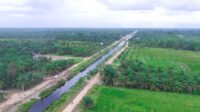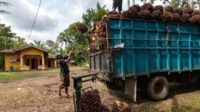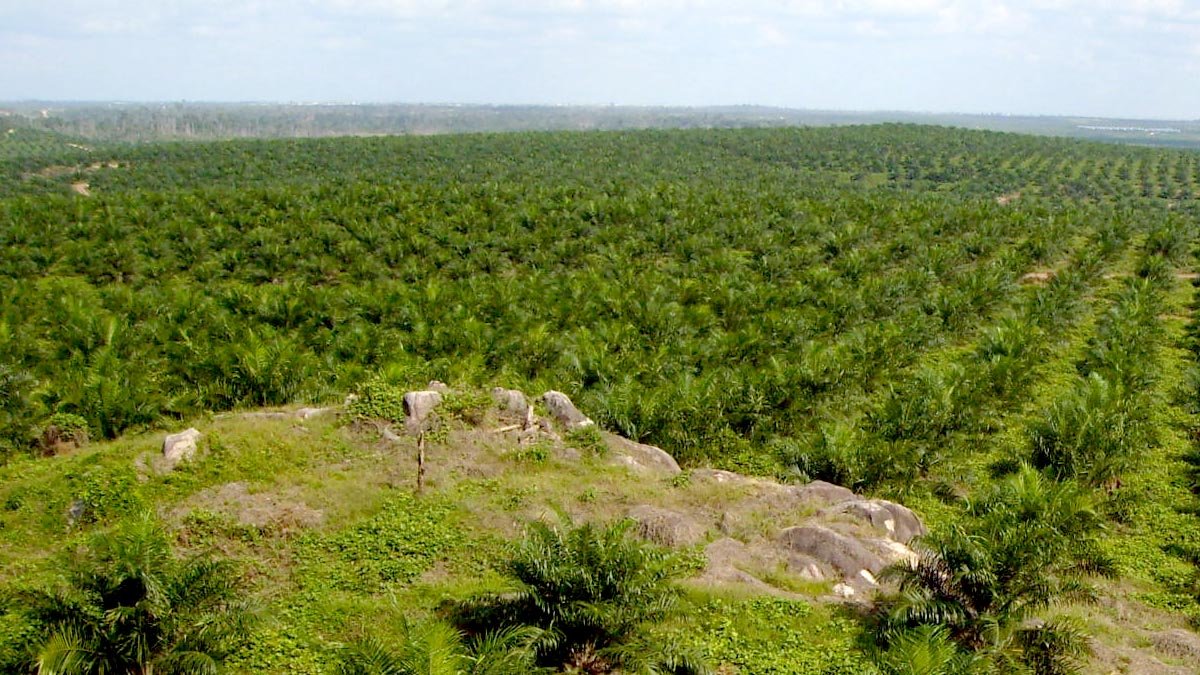
PALMOILMAGAZINE, BANDUNG – The West Java Provincial House of Representatives (DPRD Jabar) has raised concerns over indications that oil palm plantations may cover up to 4,000 hectares across several areas, including Cirebon, Kuningan, and Ciamis. Lawmakers say the findings warrant early and serious attention to prevent broader environmental consequences.
Deputy Speaker of the West Java DPRD, Ono Surono, welcomed the swift action taken to halt newly detected oil palm planting on a 2.5-hectare plot. He said the move was a crucial preventive step to ensure oil palm cultivation does not expand rapidly and alter West Java’s environmental characteristics.
“As long as large-scale planting has not occurred, we want to ensure there is a shared commitment to keep West Java focused on developing environmentally friendly commodities,” Ono said in Bandung on Thursday (January 8, 2026), as quoted by Palmoilmagazine.com from Antara.
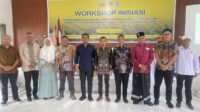
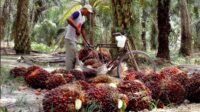
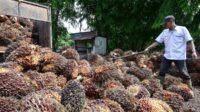
During a recent field inspection in Cirebon, Ono found around 400 oil palm trees, approximately five months old, planted on 2.5 hectares of land. The planting was carried out under a partnership scheme in which all planting and maintenance costs were borne by a partner company.
Following dialogue with all relevant parties, both the company and farmers agreed to comply with the West Java Governor’s Circular banning oil palm planting. They also committed to replacing oil palm with alternative crops considered more suitable for local conditions.
“We have spoken directly with the company and the farmers. Thankfully, they are committed to implementing the Governor’s Circular on the prohibition of oil palm planting,” Ono said.
He added that farmers had agreed to shift to crops better adapted to West Java’s environment, such as mangoes and other horticultural commodities. The agreement is seen as aligned with efforts to preserve environmental sustainability while ensuring land use matches regional characteristics.
The Cirebon Regency Government has also expressed readiness to support the commodity transition by providing replacement seedlings. Local authorities, together with the DPRD and the provincial government, have committed to overseeing the transition process to ensure it complies with regulations while safeguarding farmers’ livelihoods.
Previously, West Java Governor Dedi Mulyadi issued a policy imposing a total ban on new oil palm planting across the province. The policy also instructs the gradual replacement of oil palm on land already planted.
Also Read: KPBN Inacom CPO Prices Climb 1.07% on Tuesday (January 13), Malaysian Palm Oil Futures Extend Rally
The ban is formalized in Circular Letter No. 187/PM.05.02.01/PEREK on the Prohibition of Oil Palm Planting in West Java Province, signed on December 29, 2025, and addressed to all regents and mayors.
According to Dedi, West Java’s relatively limited geographical area is not suitable for the expansion of an industry that requires vast land and high water consumption. “West Java is small. Oil palm requires large areas and uses a lot of water, which could trigger water crises and environmental disasters. We are better suited to commodities such as tea, rubber, quinine, and coffee,” he said. (P2)