PALMOILMAGAZINE, BANDUNG — The West Java Provincial Government is being urged to immediately carry out a comprehensive re-registration of oil palm plantations across the region, following the discovery of significant discrepancies between official provincial records and actual conditions on the ground.
Accurate and up-to-date data are considered critical, particularly as West Java enforces a policy restricting the development of new oil palm plantations through a Governor’s Circular. However, recent findings indicate that the current plantation database remains problematic, with inconsistencies in both plantation area and geographic distribution. Without a thorough data overhaul, policies aimed at controlling oil palm development risk being misdirected.
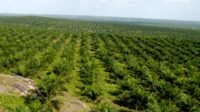
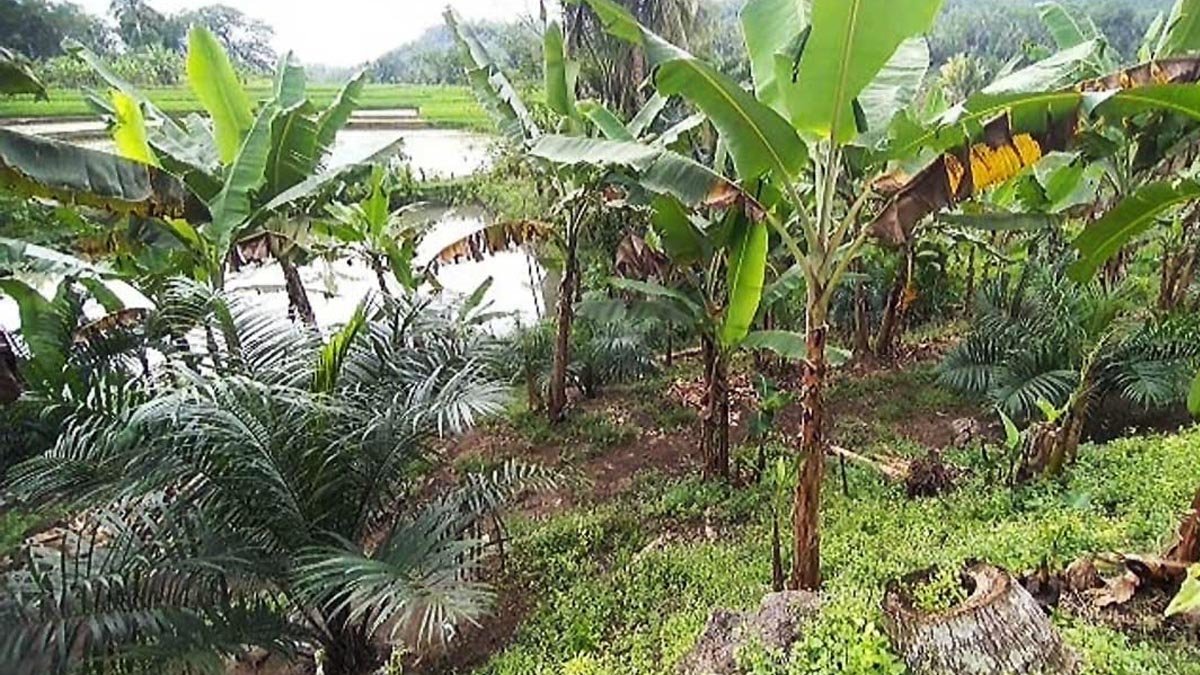
One clear example has emerged in Ciamis Regency. Provincial records currently show no significant oil palm plantations in the area. Yet field information suggests otherwise, with dozens of hectares of oil palm having long been cultivated and managed by local communities. These plantations are spread across several locations and have already entered productive stages, but remain unrecorded in West Java’s official database.
A similar situation has been identified in Banjar City. Provincial data list smallholder oil palm plantations at around two hectares. However, verification by the Banjar City Agriculture Office found the actual area to be approximately 1.5 hectares, all located in Binangun Village. This mismatch highlights the lack of synchronization between provincial data and real conditions at the local level.
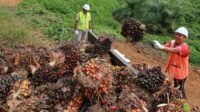
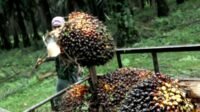
Previously, the Secretary of Binangun Village confirmed that the 1.5-hectare plantation is capable of producing around eight tons of fresh fruit bunches per harvest. The plantation was initiated by the village government and is located far from residential areas. This fact underscores that existing oil palm plantations in West Java are not merely statistical entries, but carry tangible social and economic significance at the village level.
Inaccurate data on plantation area could lead to serious policy errors, affecting supervision, spatial planning enforcement, and environmental impact assessments. Moreover, smallholder farmers risk being negatively affected by regulations that are not grounded in verified field data.
For this reason, stakeholders emphasize that a full re-registration process must involve district and city governments down to the village level. Field verification is essential to ensure that the resulting data are not merely administrative records, but a true reflection of existing conditions.
Beyond supporting the policy on restricting new oil palm development, updated data are also vital to provide clarity regarding the legal status and future management direction of existing smallholder plantations. Without accurate information, oil palm governance in West Java risks being built on assumptions rather than realities. (*)
Author: Zainal Abidin (Banjar)