PALMOILMAGAZINE, CIREBON — Tensions escalated in Cigobang Village, Pasaleman District, Cirebon Regency, West Java, after dozens of local women led a dramatic protest by forcibly uprooting oil palm seedlings from a 2.5-hectare plot of land on Friday (January 16, 2026). The action was aimed at rejecting the presence of what residents believe to be an illegal oil palm plantation that threatens the surrounding environment.
According to information compiled by Palmoilmagazine.com from local media reports, the protest was triggered by growing frustration over the plantation operator’s failure to vacate the land, despite an official deadline set by the regional government and the Governor of West Java. Authorities had ordered the area to be cleared by Thursday, January 15, 2026, but residents said the instruction was ignored.
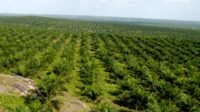
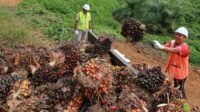
Chanting slogans and carrying simple tools such as machetes, crowbars, and even using their bare hands, villagers entered the plantation area—previously a viral topic after its sudden appearance in Cirebon—and uprooted hundreds of oil palm seedlings. The plants were reportedly only around four months old.
Also Read: North Sumatra Palm FFB Prices Rise in Late January, Supported by Steady CPO and Kernel Values
“We are angry because the deadline passed and there was still no action from the owner. If we don’t move, who will? This is our land,” said Rohana, one of the residents who took part in the protest.
Another villager, Juju, said the plantation had unsettled the community, as many feared it could disrupt the village’s environmental balance and long-term sustainability.
Fears of Water Crisis and Ecosystem Damage
Local opposition goes beyond land issues. Residents argue that the area’s forest ecosystem, which has long served as a natural buffer, is at risk of degradation if oil palm cultivation continues.
They are also concerned about future water security. Oil palm is widely regarded as a water-intensive crop, and villagers worry that large-scale planting could reduce groundwater reserves, raising the risk of clean water shortages and environmental disasters.
Also Read: KPBN Inacom CPO Prices Fall Slightly on Friday (1/23), CPO Trading on the Malaysian Exchange Weakens
Cigobang Village Head M. Abdul Zei confirmed that both central and regional authorities had instructed the plantation to be cleared. He acknowledged that public anger intensified because the company had not followed through.
“The community is furious because there has been no evacuation of the land. In fact, Governor Dedi Mulyadi has clearly prohibited oil palm plantations in this area,” he said.
The forced removal of the seedlings underscores mounting resistance in West Java against oil palm developments considered inconsistent with local regulations and potentially harmful to the environment—highlighting the growing sensitivity around land use, legality, and ecological protection in the province. (P2)