PALMOILMAGAZINE, HONG KONG — China’s economy expanded by 5% in 2025, staying in line with the government’s official growth target, as resilient exports helped offset persistent weakness in domestic demand. The performance came despite renewed tariff pressure from the United States under President Donald Trump.
However, momentum softened toward the end of the year. Economic growth slowed to 4.5% in the fourth quarter of 2025, marking China’s weakest quarterly expansion since late 2022 and underscoring mounting headwinds facing the world’s second-largest economy.
The full-year result matched Beijing’s goal of “around 5%” growth, though it represented a deceleration from the previous quarter’s 4.8% pace. With consumer spending and private investment struggling to recover, exports once again emerged as the main engine keeping overall growth on track.
Also Read: RHB Revises 2026 CPO Forecast After Indonesia Raises Export Tax to 12.5%
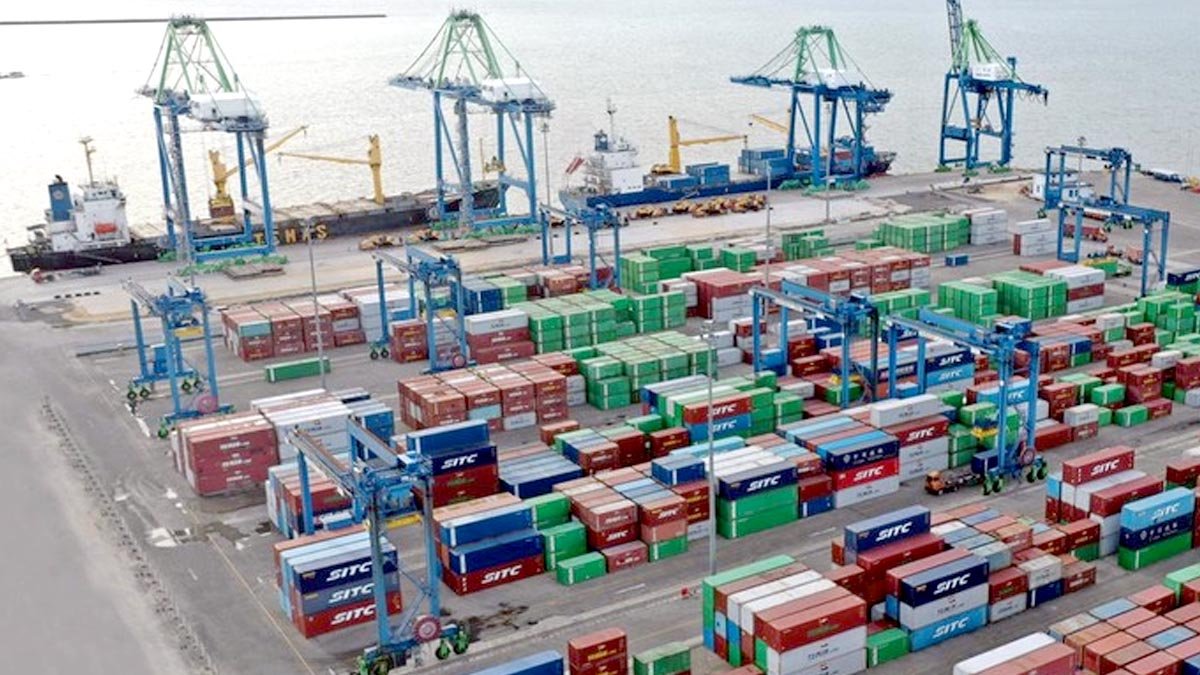
Robust overseas shipments delivered a record trade surplus of approximately USD 1.2 trillion, effectively cushioning the drag from subdued activity at home.
Exports Lead, but Protectionism Looms
China’s export strength persisted even as shipments to the United States weakened following higher tariffs imposed after Trump’s return to office. The decline in U.S. trade was largely offset by rising exports to other global markets.
Quoted from AP News on Tuesday (1/20/2026), economists are increasingly questioning how long exports can continue to bear the burden. Lynn Song, Chief Economist for Greater China at ING, warned that dependence on external demand makes China vulnerable if more countries decide to raise tariffs to protect domestic industries.
Also Read: Posco Rebrands Sampoerna Agro to Prime Agri Resources, Reshapes Board Leadership
Several governments outside the U.S. have already voiced concerns over surging inflows of Chinese goods, prompting higher import duties that could create fresh pressure on China’s export outlook in the coming period.
Weak Consumption, Property Sector Still a Drag
On the domestic front, Chinese authorities continue to emphasize policies aimed at stimulating internal demand, but results remain limited. Trade-in programs designed to boost purchases of energy-efficient vehicles are losing momentum, while the property sector remains a major drag on confidence.
Chi Lo of BNP Paribas Asset Management said stabilizing the real estate market will be critical to reviving household spending and encouraging private investment.
At the grassroots level, economic strain is increasingly visible. Liu Fengyun, a small noodle shop owner in Guizhou, described a tougher business climate as customers cut back on spending and opt to cook at home to reduce costs.
Also Read: Sustainability Risks Loom, GAPKI Pushes Productivity Over Papua Land Expansion
Diverging Estimates, Slower Outlook for 2026
While official figures show 5% growth, some analysts argue the headline number may overstate the economy’s true health. Rhodium Group, for instance, estimates China’s actual growth in 2025 was closer to 2.5%–3%.
Looking ahead, economists broadly expect a further slowdown. Deutsche Bank projects China’s economy will expand by around 4.5% in 2026.
For Beijing, maintaining stable growth is not merely a statistical goal but a political and social priority. Analysts note China must sustain annual growth of roughly 4%–5% to stay on track toward its longer-term objective of lifting per-capita income to USD 20,000 by 2035. (P2)