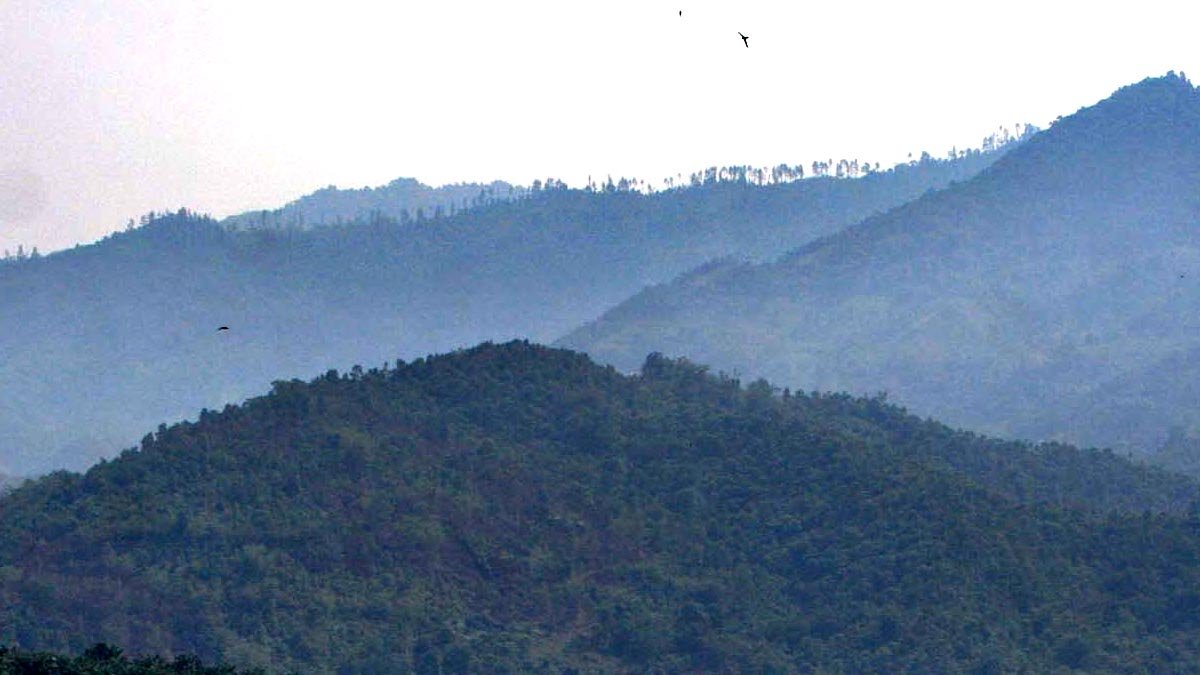
PALMOILMAGAZINE, JAKARTA – The Kolibri Alliance has welcomed the government’s decision to revoke 22 Forest Utilization Business Permits (PBPH) covering more than one million hectares across Indonesia, including approximately 116,168 hectares in Sumatra. The move is seen as a significant response amid severe flooding that has recently struck several regions on the island.
However, the alliance stressed that the revocations must not stop at being a reactive policy triggered by disaster. Instead, they should serve as a gateway to a broader transformation of forest governance—one that is fairer, more sustainable, and more resilient to the escalating risks of climate crisis and ecological disasters.
“Without a comprehensive evaluation and systematic ecosystem recovery, the revocation of PBPH risks becoming a symbolic policy that fails to address the root causes of forest destruction and ecological disasters,” the Kolibri Alliance said in a statement received by Palmoilmagazine.com on Tuesday (27/1/2026).
Also Read: Sawit Watch Call for Transparency, Sanctions, and Agrarian Reform After 28 License Revocations
Problematic Permits Total 1.5 Million Hectares
The revocation of the 22 PBPH forms part of a broader enforcement drive carried out over the past year. In total, the government is reported to have disciplined or revoked problematic forest permits covering around 1.5 million hectares nationwide.
The Kolibri Alliance said this achievement deserves appreciation, as it signals the state’s seriousness in improving forest management. Nevertheless, they urged that evaluations must not be limited to disaster-hit regions alone.
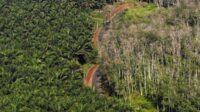
Ecologically sensitive areas—such as uplands, peatlands, river basins, and small islands—should be prioritized for permit reviews, as these landscapes are highly vulnerable to environmental degradation and hydrometeorological disasters.
Also Read: Bustanul Arifin: Indonesia’s Palm Oil Must Shift from Volume to Value
Five Key Demands
As a follow-up to the revocations, the Kolibri Alliance issued five core calls to the government:
- Conduct a comprehensive reassessment of all high-risk land-use permits, including those not yet associated with disasters but which are ecologically and hydrologically vulnerable.
- Reaffirm the government’s leadership as environmental trustee to protect forests, uphold citizens’ rights to a healthy environment, and safeguard Indonesia’s international climate commitments.
- Focus restoration and conservation efforts on critical areas through ecosystem-based recovery, including forests, peatlands, and biodiversity protection.
- Restore local and Indigenous management rights through social forestry, customary forests, and the strengthening of sustainable, nature-based economies.
- Protect remaining forests by halting new PBPH permits and preventing forest conversion into large-scale monoculture plantations and mining areas.
The alliance stressed that forest protection is inseparable from efforts to build community resilience against disasters. Forest degradation, they said, directly reduces water absorption capacity, increases surface runoff, and heightens the risk of floods and landslides.
Studies Link Deforestation to Floods and Landslides
The Kolibri Alliance cited research by Lubis et al. (2024), which found that regions experiencing extensive deforestation tend to face higher frequencies of floods and landslides. These findings, they said, align with field conditions observed in the Mentawai Islands.
According to the alliance, Indigenous communities in Mentawai are now facing floods more frequently than before the issuance of forest utilization permits covering more than 100,000 hectares. This shift underscores how deforestation intensifies flood risks by diminishing the land’s ability to absorb rainfall.
Similar conclusions were drawn by Sugianto et al. (2022) in their study of the Teunom watershed in Aceh, which found that deforestation and land-use change significantly increased flood risk, with nearly 70 percent of the area classified as having moderate to very high vulnerability.
Tree Cover Loss Reaches 30 Million Hectares
Based on tree cover loss data from Hansen et al., Indonesia lost approximately 30.03 million hectares of tree cover between 2001 and 2024. Of that total, around 52.7 percent was linked to licensed activities, including mining, palm oil plantations, and PBPH concessions.
The alliance also highlighted that about 8.9 million hectares of natural forest are currently controlled by permit holders, including vulnerable ecosystems such as mangroves and peat swamp forests.
By contrast, around 5.7 million hectares of natural forest located outside the state forest zone—classified as Other Land Use Areas (APL)—are not burdened by utilization permits and show relatively better forest cover. This, the alliance said, offers hope that remaining natural forests can still be well managed while damaged landscapes are restored.
Community-Based Conservation and Restoration
The Kolibri Alliance emphasized that forest protection and restoration efforts are already underway at the community level, alongside initiatives to strengthen local livelihoods. These conservation programs also serve as mechanisms for recognizing community rights in managing natural resources.
In Aceh, the Indigenous communities of Mukim Beungga and Mukim Paloh are reported to be protecting 6,994 hectares of forest while developing patchouli oil and cocoa enterprises. In Wonosobo, local communities are restoring degraded land through agroforestry systems that combine ecological and economic value.
Such efforts, the alliance said, are crucial to increasing forest cover. Referring to research by Herath et al. (2025), they noted that a 20 percent increase in forest cover could potentially reduce peak flood discharge by around 10 percent. While forest protection and restoration may not eliminate floods entirely, they are proven to significantly reduce their severity.
The alliance also referred to Government Regulation No. 26 of 2025 on the National Environmental Protection and Management Plan, which mandates the protection of remaining natural forests, rehabilitation of degraded areas, and stricter limits on natural resource exploitation in line with environmental carrying capacity.
In line with that mandate, the Kolibri Alliance stressed that the state must take concrete action to halt, review, and restore forest areas that have exceeded ecological limits, including through permit revocations and large-scale ecosystem restoration. (P1)