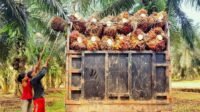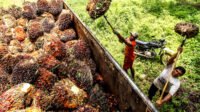
PALMOILMAGAZINE, PEKANBARU — The Riau Provincial Legislative Council (DPRD Riau) is floating a proposal to impose a surface water tax on palm oil plantation companies starting in 2026, a move expected to significantly boost regional original revenue (PAD) and help close the province’s budget deficit.
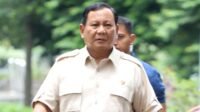
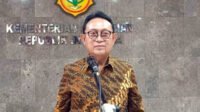
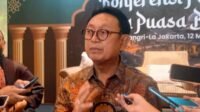
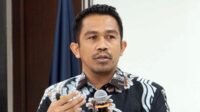
Deputy Speaker of DPRD Riau Budiman Lubis said the levy could generate up to IDR 4 trillion in annual revenue if implemented effectively.
“The potential is as high as IDR 4 trillion. This could be a concrete solution to cover the budget deficit by increasing Riau’s PAD in 2026,” Budiman said, as quoted by Palmoilmagazine.com from Riauonline on Wednesday (January 28, 2026).
Also Read: RSPO–FONAP Reciprocal Membership Marks New Phase of Sustainable Palm Oil Collaboration in Europe
He stressed that the proposed surface water tax would apply exclusively to palm oil plantation companies, not to local communities or independent smallholders. Clarifying this point, he said, is crucial to prevent unnecessary concern among small-scale growers.
“We need to be clear: this surface water tax will only be imposed on companies. Communities with independent plantations will not be subject to the tax,” Budiman explained.
According to him, the tax scheme is still under discussion between the Riau Provincial Government and DPRD Riau through the Special Committee (Pansus) on Revenue Optimization. The talks are focusing on the regulatory framework, collection mechanisms, and the potential impact on the plantation business climate.
Also Read: Sustainable Palm Oil: A Fatamorgana?
Budiman added that the proposal is in line with authority granted by the central government, which allows regional administrations to optimize five types of taxes: motor vehicle tax, fuel tax for motor vehicles, surface water tax, cigarette tax, and taxes on non-separable natural resources.
“Of these five sectors, surface water tax is the most promising for Riau, especially for companies operating here. Other regions have implemented it earlier, and their experience provides a reference for us,” he said.
If approved and enforced, the policy could become a strategic fiscal instrument for Riau Province to strengthen regional financial independence amid ongoing volatility in natural resource-based revenues. (P2)