
PALMOILMAGAZINE, PEKANBARU – The Provincial Government of Riau is preparing a series of strategic measures to strengthen Regional Original Revenue (PAD), with a key focus on revising the Governor Regulation on surface water acquisition value. The policy adjustment is projected to significantly increase local revenue collections.
Head of the Riau Regional Revenue Agency (Bapenda), Ninno Wastikasari, stated that coordination with the Ministry of Public Works and Public Housing has been underway since 2025, particularly concerning the determination of the base value for surface water.
“We have conducted simulations with provincial leaders. There are three pricing scenarios under review: IDR 1,700, IDR 1,200, and IDR 1,000,” Ninno said, as quoted by local media on Monday (9/2/2026).
Also Read: Riau Smallholder FFB Prices Weaken for Mid-February, 9-Year Trees at IDR 3,642.08/kg
Surface Water Tax Simulation
Based on 2024 surface water tax revenue, which reached IDR 52 billion, the three scenarios indicate substantial upside potential.
If the water value is set at IDR 1,700, PAD from this sector could surge to approximately IDR 160 billion. A tariff of IDR 1,200 is estimated to generate around IDR 115 billion, while IDR 1,000 could yield roughly IDR 96 billion.
“The simulations clearly show strong potential for optimizing regional revenue,” she emphasized.
Optimizing Other Revenue Sources
Beyond the surface water tax, Bapenda Riau is also intensifying efforts to enhance PAD through other channels, including optimizing intergovernmental transfer funds. According to Ninno, these initiatives have been reported to the Governor of Riau as part of a broader fiscal strengthening strategy.
In the near term, the provincial government plans to issue a Governor’s Circular Letter regarding the implementation of the Coretax system. The policy will regulate the transition of tax return (SPT) reporting for both corporate and individual taxpayers.
“We will issue a circular concerning the use of the Coretax system, particularly related to the migration of SPT reporting for companies and individuals. This directly impacts the tax revenue-sharing mechanism, such as Article 21 Income Tax (PPh 21), which is later redistributed to regencies and cities,” she explained.
Also Read: GAPKI Urges Productivity Boost as Biodiesel Demand Outpaces Palm Oil Supply
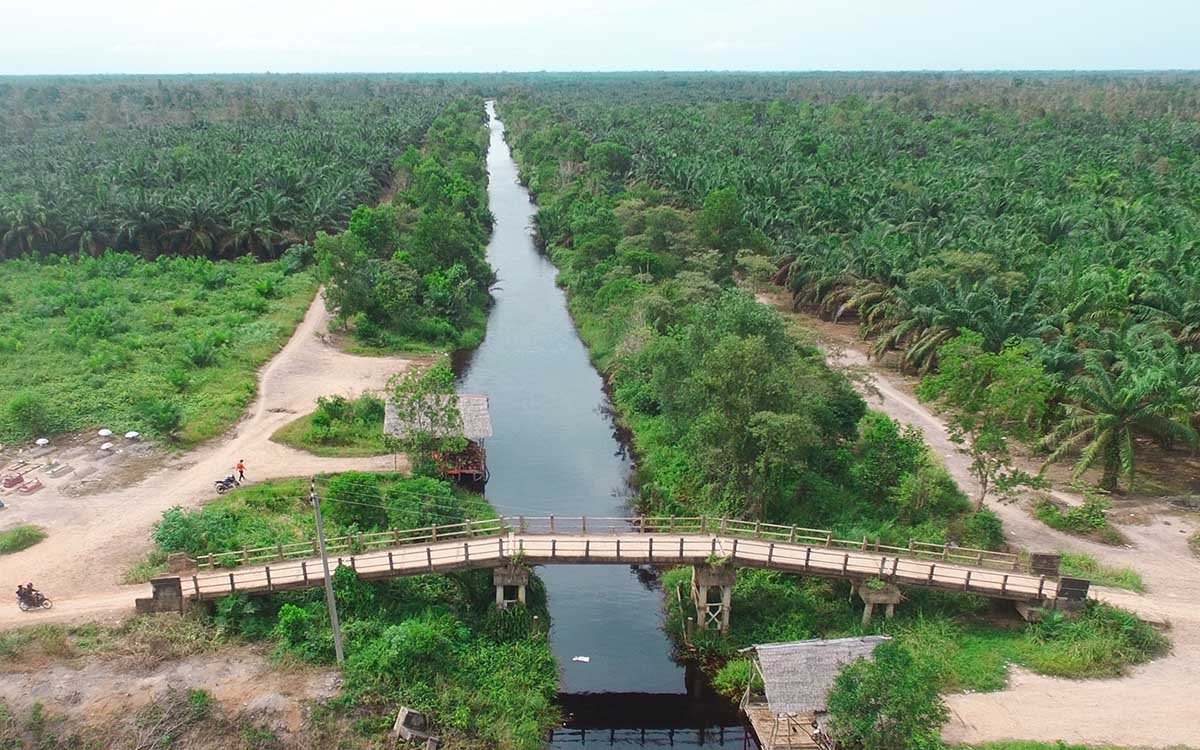
Proposal for Palm Oil Surface Water Tax
Regarding the proposal to impose a surface water tax on the palm oil plantation sector, Ninno clarified that the idea remains under review. The proposal originated from the Riau Provincial Legislative Council (DPRD) and has not yet been finalized.
“The palm oil surface water tax still requires comprehensive study. However, similar schemes have already been implemented in West Sulawesi and West Sumatra,” she noted.
Ninno concluded that the provincial government is carefully refining its policy studies to ensure that any regulation adopted will be effective and contribute meaningfully to strengthening Riau’s regional revenue base. (P2)