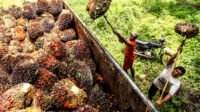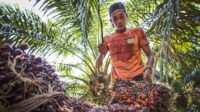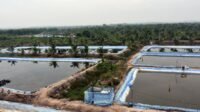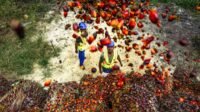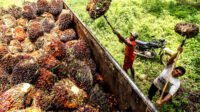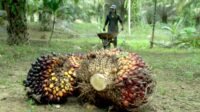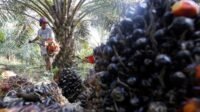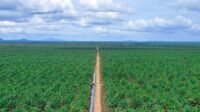
PALMOILMAGAZINE, SANGATTA — Palm oil plantations in Kutai Timur Regency are gaining renewed recognition as a strategic national asset, seen as a key pillar of Indonesia’s economic growth beyond the mining sector.
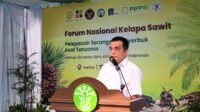
Regent Ardiansyah Sulaiman emphasized that oil palm plays a central role in Indonesia’s economic structure, noting that sustained productivity across the upstream and downstream segments is fundamental to national self-reliance.
“President Prabowo Subianto once stated that our national development foundation is already strong. One of its pillars is palm oil, considering that many of our basic needs are fulfilled through this commodity,” Ardiansyah said, as quoted from the East Kutai regional administration on Tuesday (17/2/2026).
Also Read: Indonesia–U.S. Seal USD 38.4 Billion in Strategic Trade and Investment Agreements
From Cooking Oil to Pharmaceuticals
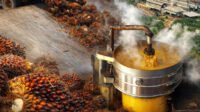
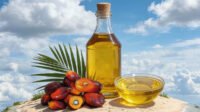
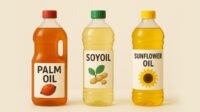
Ardiansyah explained that palm oil’s contribution extends far beyond cooking oil as a staple commodity. Today, palm-derived products have penetrated global health and beauty industries.
Pharmaceutical and cosmetic products increasingly rely on palm-based raw materials. Moreover, innovations utilizing waste and by-products — including palm fronds and midribs — are being developed into high-value handicrafts and other commercial goods.
“Our food needs are secured, and the pharmaceutical sector also relies heavily on processed palm oil derivatives,” he added.
Also Read: Mukomuko Accelerates Irrigation Upgrades to Safeguard 3,400 Hectares of Paddy Fields
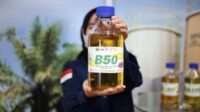
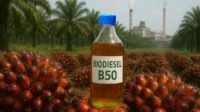
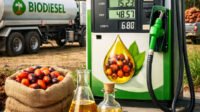
Beyond food and healthcare, palm oil’s transformation into renewable energy through biodiesel programs has become a critical pillar of Indonesia’s energy resilience. Biodiesel utilization is viewed as a strategic response to global demand for cleaner and more sustainable fuel sources.
This shift further reinforces palm oil’s status as a strategic commodity in supporting Indonesia’s energy transition agenda.
Global Competitiveness Remains Intact
Despite mounting international trade challenges, Indonesia’s palm oil competitiveness remains firm, Ardiansyah said. Continued demand from several European countries for processed Indonesian palm oil products underscores its enduring position in the global market.
“East Kutai plays an extraordinary role in developing this sector nationally. The fact that Europe continues to request supply demonstrates how strategic palm oil remains in the global landscape,” he concluded.
Also Read: KPBN Inacom CPO Edges Higher on Friday (Feb 19), Malaysian Palm Oil Futures Slip on Weaker Soyoil
The East Kutai administration continues to promote sustainable plantation programs, focusing on balancing economic growth, environmental preservation, and community welfare.
Efforts include adopting environmentally responsible cultivation practices, boosting land productivity without destructive forest expansion, and strengthening the capacity of local smallholder farmers. Through this approach, palm oil in East Kutai is expected to remain competitive while ensuring long-term sustainability. (P2)