PALMOILMAGAZINE, LEMBANG, WEST JAVA — Minister of Agriculture Andi Amran Sulaiman has underscored that food is no longer merely a basic necessity, but a strategic instrument in safeguarding national sovereignty and defense. Amid rising global uncertainties, Indonesia is emerging as more resilient, driven by increased domestic production and declining reliance on food imports.
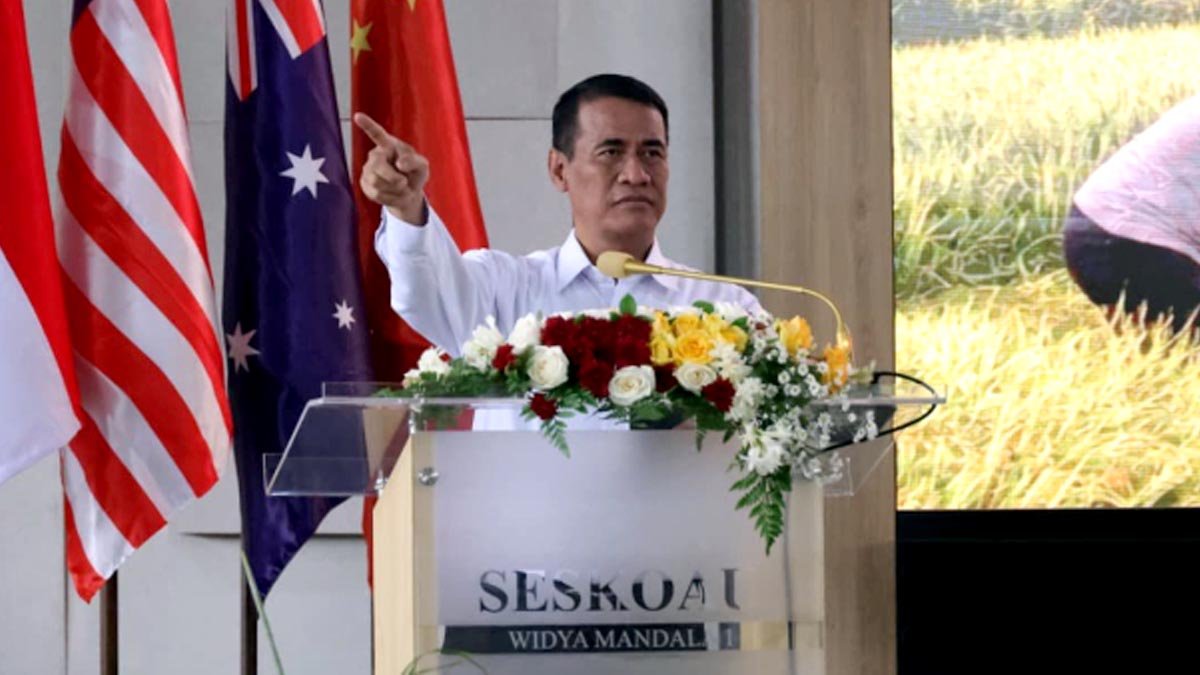
Speaking at the Stadium General for the 64th Cohort of the Indonesian Air Force Staff and Command School (Sesko AU) in Lembang, West Java, Amran stressed that control over food resources is critical in preventing external pressure on the nation.
“If we do not control our food, the country can be pressured. But today, we have proven that production is rising, imports are falling, and Indonesia is becoming stronger,” stated Minister Amran in a statement obtained by Palmoilmagazine.com on Thursday (April 2).
Also Read: Indonesia’s KPBN CPO Price Hits IDR 16,050/Kg, Bursa Malaysia Slips After Three-Day Rally
Amran explained that dependence on imports remains a structural vulnerability, particularly during global crises. When exporting countries restrict supply, import-dependent nations face immediate disruptions. To address this, the government has implemented a series of strategic measures, including boosting domestic output, gradually reducing imports, and strengthening national food reserves.
These efforts are beginning to deliver tangible results. International data, including from the United States Department of Agriculture, shows a steady increase in Indonesia’s food production. Meanwhile, the Ministry of Agriculture has recorded a historic milestone, with national rice reserves reaching 4.3 million tons and projected to rise to 4.5 million tons in the near term.
“This is not just about economics—this is about sovereignty. Food is part of the national defense system,” Amran emphasized.
Also Read: Indonesia Sets CPO Reference Price for April 2026 at USD 989.63/MT, Export Duty Increases
Indonesia’s progress is also reshaping its global standing, transitioning from a traditional food importer to a country increasingly recognized in international markets. The country’s import control policies are even beginning to influence global food price dynamics.
Several countries, including Malaysia, Australia, Japan, and Canada, have started to observe Indonesia’s approach to boosting production and maintaining supply stability. According to Amran, decisive policymaking and rapid execution are key differentiators.
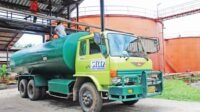
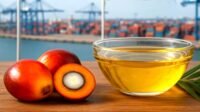
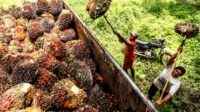
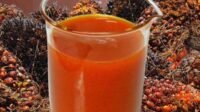
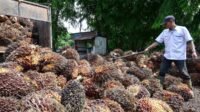
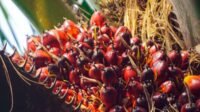
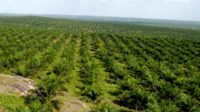
Beyond food, he highlighted energy independence as another critical pillar of national resilience. As the world’s largest crude palm oil (CPO) producer—accounting for more than 60% of global output—Indonesia holds a strategic advantage in controlling the downstream palm oil value chain.
Also Read: Malaysia CPO Extends Three-Day Rally on Strong Exports and Soyoil Gains
Optimizing this potential is expected to significantly reduce reliance on imported energy in the coming years. “If our food and energy are strong, no country can pressure us,” he asserted.
Strengthening the agricultural sector is also generating broader economic benefits. Village-based programs are helping create jobs, boost purchasing power, and reinforce grassroots economic resilience. Through cooperative development, distribution chains are streamlined, allowing farmers to capture greater value while keeping prices more affordable for consumers.
“When rural economies move, national growth follows. A strong village means a strong nation,” Amran said.
With a combination of food security, energy independence, and downstream development of strategic resources such as nickel, Indonesia is positioning itself on a path toward becoming a new global economic power.
Amran expressed optimism that with consistent policies and strong collaboration across sectors, Indonesia will not only withstand global pressures but also emerge as a leader.
“Food security is our main fortress. If this is strong, Indonesia will not only be secure, but fully sovereign,” he concluded. (P3)