PALMOILMAGAZINE, JAKARTA — Indonesia’s Ministry of Agriculture is fast-tracking the downstream development of the agricultural sector, placing biofuel and bioethanol at the center of its strategy to achieve national energy independence. The move follows directives from Prabowo Subianto, aimed at navigating increasingly complex global geopolitical dynamics.
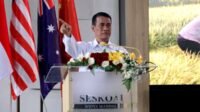
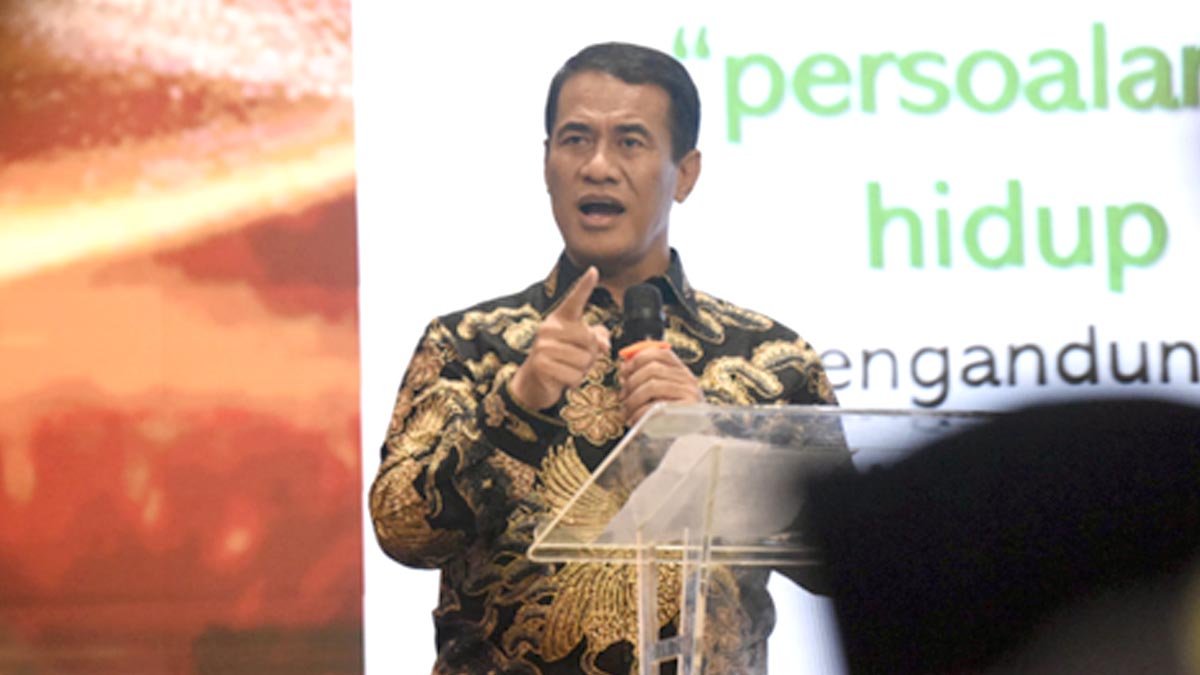
Minister of Agriculture Andi Amran Sulaiman emphasized that accelerating downstreaming has become a top government priority, particularly in maximizing domestic resource-based energy. He stressed that swift action is essential to reduce reliance on imported fuels amid global uncertainty.
Speaking after a coordination meeting with state-owned food enterprises at the ministry’s headquarters in Jakarta, Amran noted that biofuel development is a critical first step in strengthening energy resilience. The initiative comes as geopolitical tensions continue to impact global energy markets.
Also Read: Indonesia’s KPBN CPO Price Hits IDR 16,050/Kg, Bursa Malaysia Slips After Three-Day Rally
According to Amran, Indonesia has made solid progress in securing its food supply, allowing the government to shift focus toward energy independence. He highlighted that rice prices remained stable during Ramadan, indicating strong food sector fundamentals.
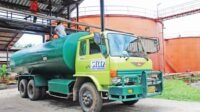
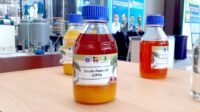
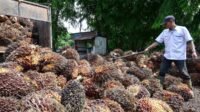
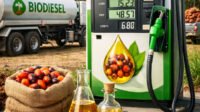
He also reiterated the government’s commitment to replacing diesel imports with palm-based biofuel through the B50 program, which is projected to require around 5.3 million tons of feedstock.
Beyond biofuel, the ministry is pushing forward with bioethanol development under the E20 program, which blends ethanol with gasoline. The feedstock for this initiative will come from locally abundant crops such as corn, cassava, and sugarcane—all of which are widely cultivated across Indonesia.
Also Read: Indonesia’s KPBN CPO Price Hits IDR 16,050/Kg, Bursa Malaysia Slips After Three-Day Rally
Amran further pointed out the country’s significant bioethanol potential, including from molasses—a byproduct of the sugar industry. Indonesia currently exports around 1 million tons of molasses annually, which could instead be processed domestically into ethanol to support energy production.
He underscored the importance of collaboration in achieving both food and energy security. “Moving forward, we must work together to achieve both energy and food independence,” he said.
Deputy Minister of Agriculture Sudaryono added that the agricultural sector now plays a strategic role in supporting Indonesia’s transition toward energy self-sufficiency. With food self-sufficiency largely secured, the sector is expected to contribute more significantly through bioenergy development.
Also Read: Indonesia Sets CPO Reference Price for April 2026 at USD 989.63/MT, Export Duty Increases
To accelerate implementation, the ministry is strengthening partnerships with state-owned enterprises, positioning them as key drivers of downstream projects. Vice Chairman of the State-Owned Enterprises Supervisory Body Tedi Bharata expressed strong support for the initiative, highlighting ongoing coordination to unlock potential across SOEs and enhance national energy independence.
Through the expansion of biofuel and bioethanol programs, the government aims not only to reduce dependence on imported energy but also to increase the added value of domestic agricultural commodities and improve farmers’ welfare.
With coordinated efforts between the Ministry of Agriculture, SOEs, and broader stakeholders, Indonesia is positioning its agricultural downstreaming agenda as a key pillar in building resilience against global economic and geopolitical challenges. (P3)
Source: Indonesia’s Ministry of Agriculture