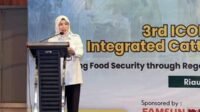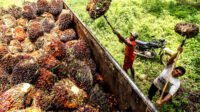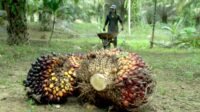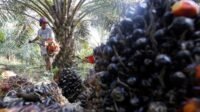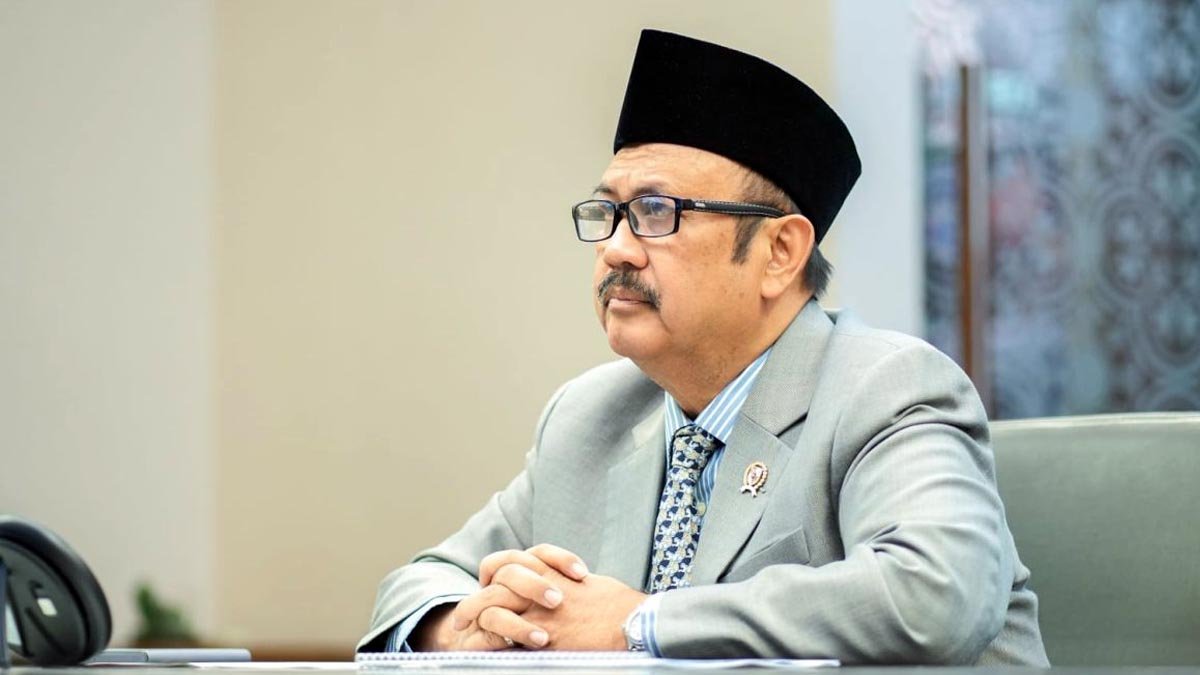
PALMOILMAGAZINE, JAKARTA – Bappenas is intensifying efforts to promote palm oil–cattle integration as a strategic pathway to strengthen food security while advancing a circular, bio-based economy.
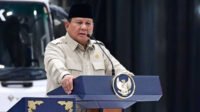
Rachmat Pambudy, Minister of National Development Planning/Head of Bappenas, emphasized the urgency of large-scale innovation and cross-sector collaboration to address increasingly complex global challenges through regenerative agriculture.
He noted that the world is currently facing mounting pressures, ranging from geopolitical tensions disrupting global supply chains to growing threats to food and energy security. Domestically, Indonesia must also respond to rising demand for food, nutrition, and energy driven by population growth.
Also Read: Prabowo Subianto Targets Palm-Based SAF Expansion with Massive Refinery Investment
Climate change impacts, including land degradation and carbon emissions, are further straining the foundations of the agricultural sector. However, amid these challenges, Indonesia sees an opportunity to lead by developing large-scale regenerative agriculture systems.
Rachmat explained that the vision of “Golden Indonesia 2045” places human capital development at its core. National programs such as food self-sufficiency and nutritious meal initiatives are part of a broader strategy to ensure adequate protein intake, particularly for younger generations.
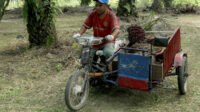
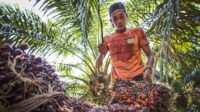
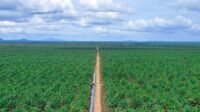
He stressed the importance of building a supportive ecosystem, including addressing land availability, input costs, and improving the capacity of smallholder palm oil farmers. One of the key approaches being promoted is the integration of oil palm plantations with livestock systems.
Also Read: PTPN IV PalmCo Leads Pilot of Tanzanian Pollinators to Enhance Palm Oil Yields
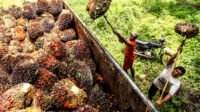
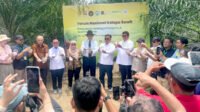
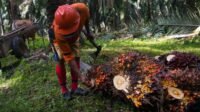
“Each hectare of oil palm plantation has the potential to generate around 13 tons of dry biomass per year, which can be utilized as animal feed. This potential remains largely underutilized,” he said during his keynote speech at the Integrated Cattle and Oil Palm Conference 2026 attended by Palmoilmagazine.com on Wednesday (April 8, 2026).
He further highlighted that integrating palm oil and livestock would accelerate the transition toward a circular bioeconomy, where food, energy, and water systems are interconnected within a single ecosystem. This approach not only enhances efficiency but also strengthens overall system resilience.
Through this model, Indonesia can produce not only palm oil but also animal protein and organic fertilizers, while creating more sustainable livelihood systems. The use of chemical fertilizers can be reduced through livestock waste utilization, and feed costs can be lowered by leveraging palm oil by-products.
Also Read: Riau Independent Smallholder FFB Prices Edge Higher for April 8–14, 2026
Rachmat added that this integration also opens up opportunities for income diversification among smallholders, while reinforcing their role as key contributors to low-emission production systems.
In terms of implementation, the government will focus on strengthening the livestock value chain, improving logistics networks, and standardizing slaughterhouses to ensure food safety and quality. These efforts aim to make protein more accessible and affordable for all Indonesians.
As part of its forward-looking policy direction, Bappenas has outlined several strategic measures, including regulatory harmonization for dual land use, development of adaptive local livestock genetics suited for oil palm environments, and expanded research on multi-commodity integration covering food crops, horticulture, and livestock.
Also Read: West Sumatra FFB Prices Slip in Early April, Down IDR 46.05/Kg
In addition, stronger synergy between smallholder farmers and large industry players will be prioritized to build a more inclusive and sustainable system.
Rachmat concluded that palm oil–cattle integration must become a lasting national collaboration that delivers shared benefits across all stakeholders. (P2)