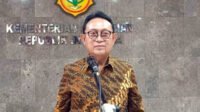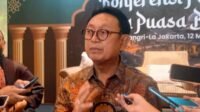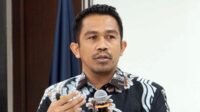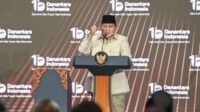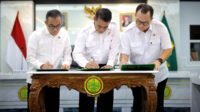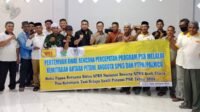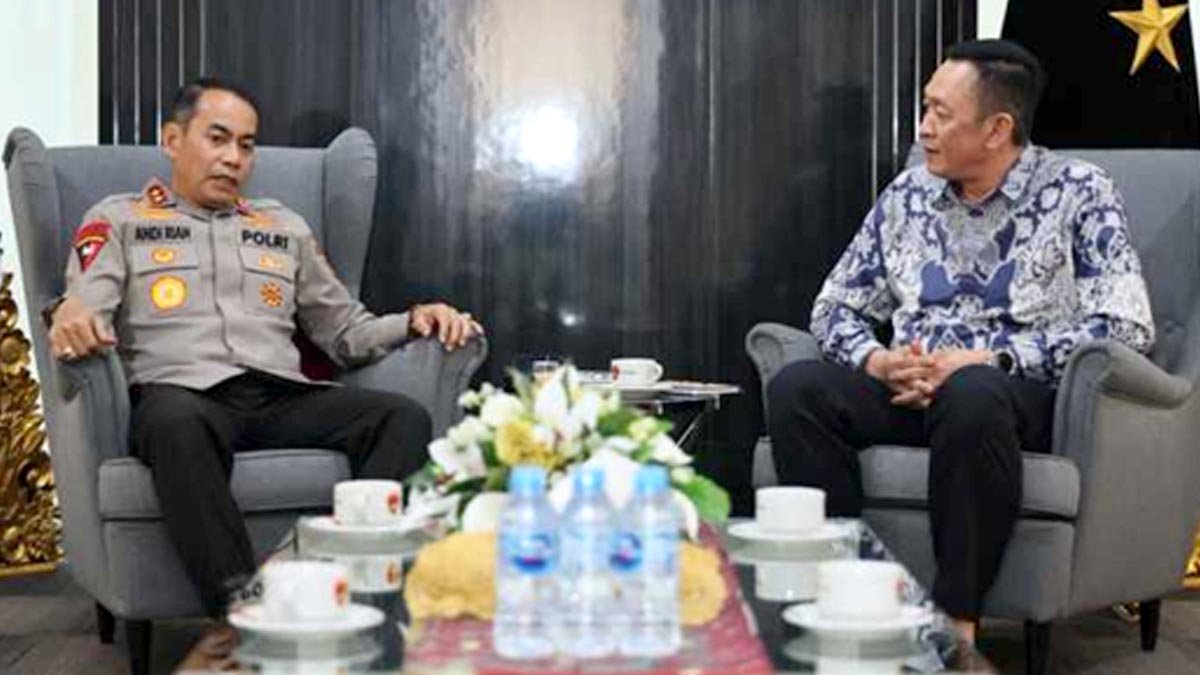
PALMOILMAGAZINE, PALEMBANG — South Sumatra Police Chief Inspector General Andi Rian R. Djajadi welcomed officials from the Provincial Plantation Office (Disbun) and the Indonesian Palm Oil Association (IPOA/GAPKI) Palembang Chapter on Thursday (Dec. 4, 2025). The meeting, held at the Delegation Room on the second floor of the South Sumatra Police Headquarters, focused on reinforcing cross-sector coordination to improve oversight and security across the province’s palm oil plantations.
The delegation was led by South Sumatra Plantation Office Head M. Ichwansyah, along with GAPKI South Sumatra Chair Alex Sugiarto. Both presented several key issues faced by the palm oil sector, including governance challenges, business climate concerns, and ongoing field-level security risks that require stronger cooperation between government authorities, law enforcement, and industry players.
Also representing the Plantation Office were Production Division Head Havisman and Land, Fire, Business Disruption, and Plantation Conflict (KGUKP) Section Head M. Mulkan. GAPKI was represented by Vice Chair II, Ridwan Sibuea, who highlighted the critical role of companies in supporting monitoring efforts and preventing disruptions within the palm oil supply chain.
Also Read:
Quoted by Palmoilmagazine.com from the Tribatanews, the meeting reaffirmed a shared commitment to strengthening oversight, preventing conflicts, and promoting more sustainable plantation management across South Sumatra.
Accompanying the Police Chief were several senior officers, including Operations Bureau Chief Kombes Pol. Muhammad Anis Prasetio Santoso, Special Crimes Director Kombes Pol. Bagus Suropratomo Oktobrianto, Professional and Security Division Head Kombes Pol. Raden Azis Safiri, Criminal Investigation Unit Subdirectorate III Chief AKBP Tri Wahyudi, and Intelligence Subdirectorate II Chief AKBP Andriko Bagus Penuntun.
Addressing Conflicts, Plantation Security, and Fire Prevention
The discussion was productive and centered on several priority concerns:
- Plantation conflicts, often triggered by land disputes, overlapping permits, and unclear boundaries between communities and companies.
- Strengthening forest and land fire (karhutla) prevention, through early detection systems, joint patrols, and ongoing education for workers and surrounding communities.
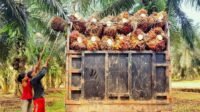
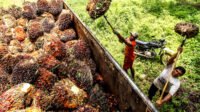
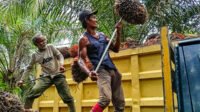
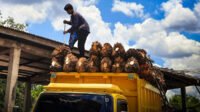
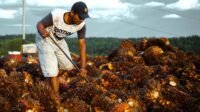
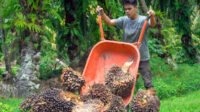
- Monitoring potential business disruptions, including theft of fresh fruit bunches (FFB), asset damage, and other security threats that could undermine productivity.
- Supporting a conducive investment climate, recognizing palm oil’s strategic role in the regional economy.
Inspector General Andi Rian emphasized that the South Sumatra Police is fully committed to collaborating with all stakeholders to maintain stability in the plantation sector.
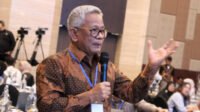
“Palm oil plantations are the backbone of the region’s economy. Coordination between the government, industry players, and law enforcement must operate optimally to ensure a safe, orderly, and sustainable industry,” he stated.
Plantation Office and GAPKI Appreciate Police Support
Plantation Office Head M. Ichwansyah expressed appreciation for the police’s consistent support in maintaining security across plantation areas, particularly in conflict mediation and fire prevention efforts.
GAPKI Chair Alex Sugiarto underscored the importance of continued collaboration to maintain a healthy and productive business environment.
“With strong coordination, potential disruptions can be addressed early. The industry greatly benefits from the support provided by the South Sumatra Police,” he said.
Strengthening Synergy Toward Sustainable Palm Oil
The meeting concluded with a joint commitment to deepen cross-sector coordination, enhance risk mitigation on the ground, and reinforce sustainable palm oil governance for the benefit of local communities and the regional economy.
The session demonstrated that effective cooperation between government authorities, industry stakeholders, and law enforcement is essential to developing a secure, productive, and sustainable palm oil sector in South Sumatra. (P3)