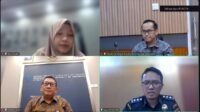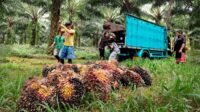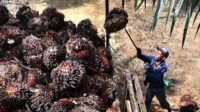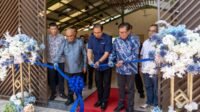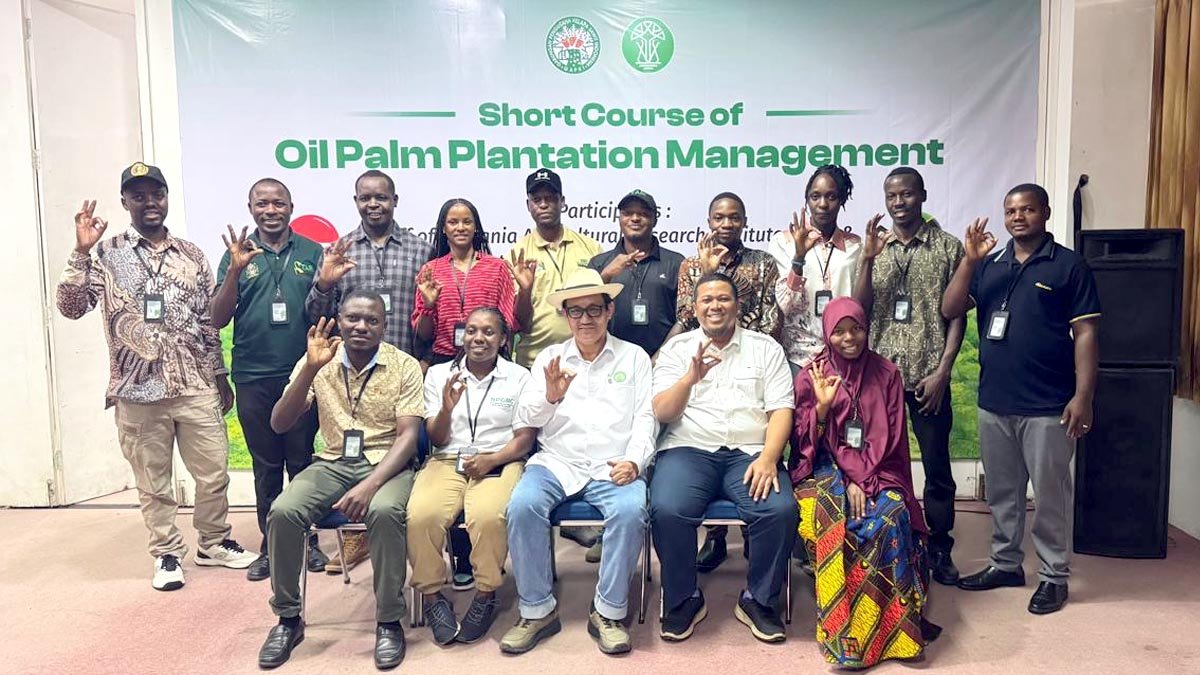
PALMOILMAGAZINE, NORTH SUMATRA – The Indonesian Palm Oil Association (GAPKI), in collaboration with the Indonesian Oil Palm Research Institute (PPKS), has launched a Short Course on Oil Palm Plantation Management, combining classroom instruction with hands-on field practice.
The two-month program is attended by 13 representatives from the Tanzania Agricultural Research Institute (TARI) and the Tanzania Plant Health and Pesticides Authority (TPHPA), marking a concrete step in strengthening technical cooperation between Indonesia and Tanzania in the palm oil sector.
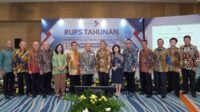
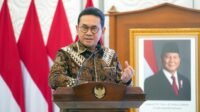
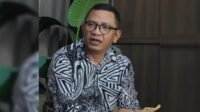
The opening ceremony was attended by Indra Syahputra, Chairman of GAPKI’s Indonesian Ganoderma Consortium and Head of SSPL at PT Socfin Indonesia. He welcomed the Tanzanian delegation to North Sumatra and emphasized the strategic value of the collaboration.
Also Read: GAPKI Boosts International Engagement, Secures Six Cooperation Deals Across the US and Europe
“This partnership represents a highly positive and strategic form of cooperation for both Indonesia and Tanzania,” Indra said, in a written statement received by Palmoilmagazine.com on Wednesday (14/1).
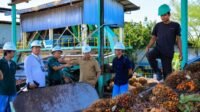
During the program, participants will directly observe oil palm nursery operations, including the development of plant materials originating from Tanzania that are currently being cultivated in Indonesia. Indra stressed that the initiative is designed not only as a training program, but also as a platform for knowledge exchange and genetic resource collaboration between the two countries.
Beyond training, Indonesia–Tanzania cooperation has also taken shape through the introduction of three species of Elaeidobius pollinating insects from Tanzania. These pollinators are considered strategically important for Indonesia’s palm oil industry, particularly in addressing ongoing challenges related to fruit set in several plantation areas.
“Indonesia’s oil palm breeding programs have advanced rapidly and produced superior planting materials dominated by female flowers. While this is essential for production, without a balance of male flowers and sufficient pollinator populations, productivity can be disrupted. This is why this collaboration is extremely valuable for Indonesia,” he explained.
Tanzania, meanwhile, is still in the early stages of developing its oil palm industry, creating wide opportunities for human resource capacity building through direct exposure to Indonesia’s integrated palm oil development experience.
“For Tanzania, this short course is a very constructive learning platform. Participants can see firsthand how Indonesia’s palm oil industry has evolved, particularly through the experience and best practices of GAPKI members. We hope this knowledge will become a foundation for the advancement of Tanzania’s palm oil sector,” Indra added.
Also Read: South Sumatra Palm FFB Prices Edge Higher, Prime Trees Up IDR 13.37/kg
Throughout the two-month program, participants from TARI and TPHPA will receive comprehensive theoretical instruction and engage directly in plantation operations and research facilities. This approach is expected to provide deeper insight into the practical application of oil palm technologies and plantation management systems.
The program is also expected to strengthen long-term research and development cooperation between Indonesia and Tanzania. Closing his remarks, Indra reaffirmed GAPKI’s commitment to promoting mutually beneficial international partnerships.
“Through this collaboration, we aim to build a long-term partnership. GAPKI stands ready to work together and support the future development of Tanzania’s palm oil industry,” he concluded. (P3)