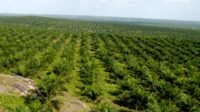


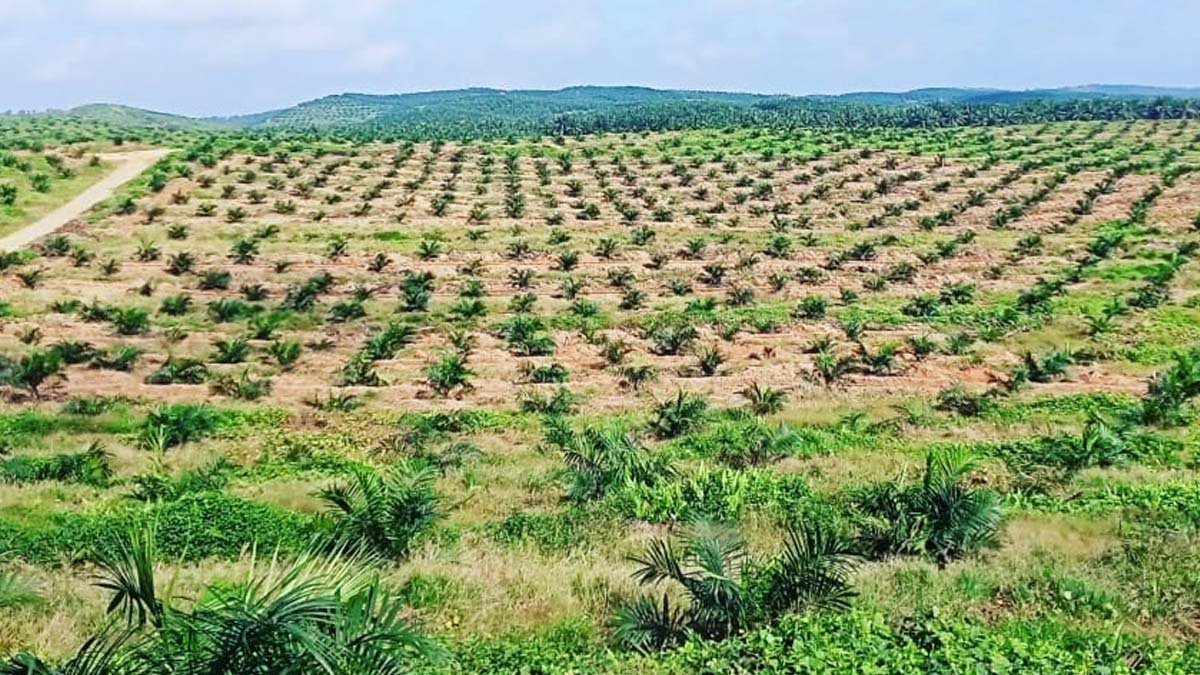
PALMOILMAGAZINE, JAKARTA — The resurfacing of plans to open new oil palm plantations in Papua has sparked renewed debate among industry players. The Indonesian Palm Oil Association (GAPKI) believes any proposal to expand plantation land in the region must be approached with extreme caution, given regulatory complexities and the potential risks it could pose to Indonesia’s export markets.
GAPKI Chairman Eddy Martono said that initiatives to develop new plantations in Papua are largely part of the government’s broader agenda. However, he stressed that Papua is a highly sensitive area, frequently linked to environmental and forestry issues. If land clearing activities are perceived to conflict with sustainability principles, they could quickly turn into serious obstacles—especially in global markets that are increasingly strict about environmental compliance.
Eddy acknowledged that Indonesia’s national energy needs continue to grow. Even so, he argued that boosting palm oil output should not automatically translate into opening new land. Instead, he emphasized that intensifying existing plantations by raising productivity is a far more realistic and responsible strategy.
“If we want to keep increasing production, intensification is the better path. It makes far more sense than opening new land,” Eddy said during a recent webinar attended by Palmoilmagazine.com.
Nevertheless, he admitted that intensification itself faces major structural challenges, particularly among smallholder farmers. So far, growth in national palm oil production has largely been driven by corporate estates, while smallholders continue to struggle with unresolved fundamental issues.
These include overlapping forest-area designations, unclear land legality, and socio-economic conditions that discourage farmers from replanting aging trees.
Also Read: Rethinking Palm Oil: Why ESG Is Indonesia’s Strategic Path Forward
“Farmers are reluctant to cut down their old palms because they have to think about daily income. On top of that, many plots in the field still have unclear ownership status,” Eddy explained.
He warned that unless these bottlenecks are addressed, land expansion will continue to be viewed as a “shortcut” to increasing output. Such an approach, he said, risks triggering long-term consequences, ranging from social conflict and environmental pressure to intensified international scrutiny of Indonesia’s palm oil industry.
Beyond palm oil, Eddy also highlighted the importance of encouraging broader economic development in Papua through productive activities aligned with the region’s characteristics. Strengthening the food and livestock sectors, he suggested, could help reduce dependence on supplies from outside Papua while building more resilient local economies.
ALso Read: Environmental Intelligence: Indonesia’s New Path to Sustainable Palm Oil
According to Eddy, sustainability in the palm oil sector is not only about production volumes, but also about governance certainty and social acceptance. For that reason, policy direction must be carefully balanced so that development targets can be achieved without undermining social stability or Indonesia’s competitiveness in global markets. (P2)