PALMOILMAGAZINE, SIMALUNGUN – PTPN IV PalmCo has expressed full readiness to serve as the initial implementation site for the introduction of three superior pollinator insect species from Tanzania, East Africa. The initiative is part of a broader strategy to enhance Indonesia’s palm oil productivity through research-driven innovation.
The company will not only host the pilot project but also function as a field learning center, as well as a site for post-release monitoring and evaluation of the pollinator insects.
Representing the President Director, Operations Director Rediman Silalahi emphasized that this move reflects the company’s commitment to advancing a more efficient and technology-driven plantation sector.
Also Read: Prabowo Subianto Targets Palm-Based SAF Expansion with Massive Refinery Investment
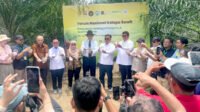
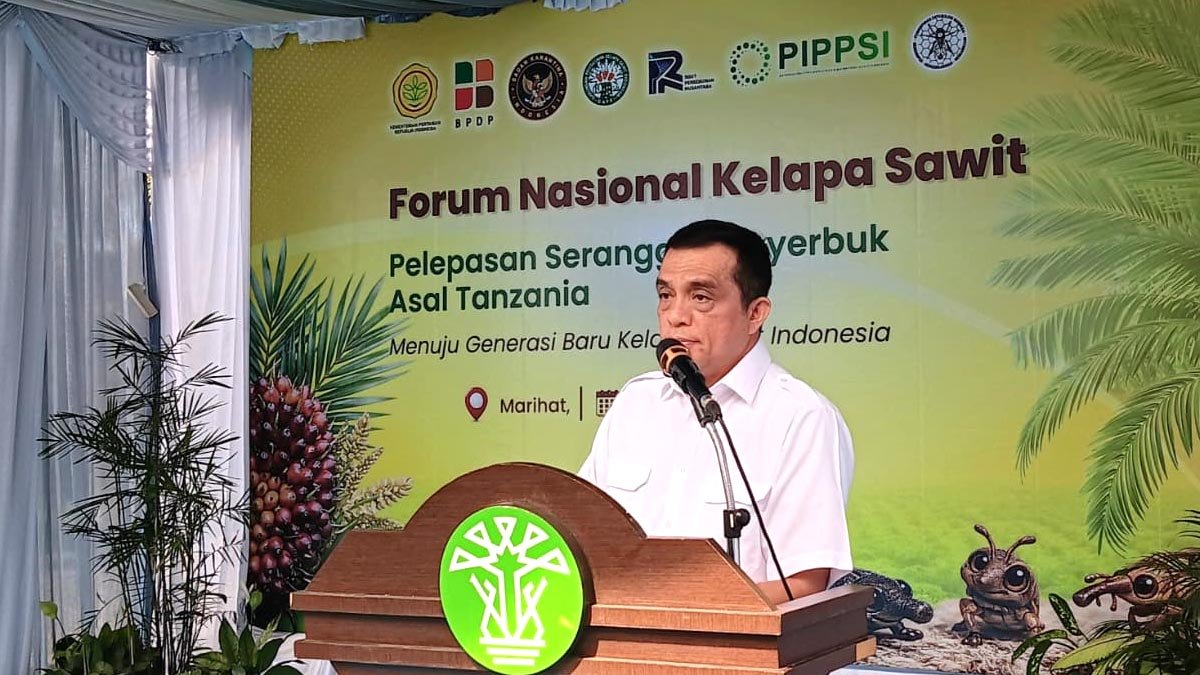
“We are ready to designate our plantations as the initial implementation site, serving both as a field learning facility and as part of the monitoring and evaluation process following the release,” he stated during the pollinator release event at the Pusat Penelitian Kelapa Sawit (PPKS) Unit Marihat in Simalungun. The event was held as part of the 45th anniversary series of Gabungan Pengusaha Kelapa Sawit Indonesia (GAPKI).
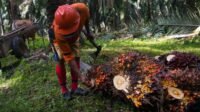
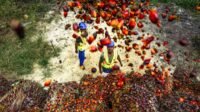
Rediman highlighted that in plantation operations, successful pollination is a critical factor in determining fruit set, which directly impacts production levels. However, natural pollination is not always optimal, often requiring manual pollination assistance that demands significant costs and labor resources.
He further noted that the introduction of these pollinator insects has undergone rigorous stages, including research, testing, and strict quarantine procedures. This provides assurance to industry players that the innovation is implemented in a careful, measured, and responsible manner.
Also Read: New Pollinating Insects Introduced to Strengthen Indonesia’s Palm Oil Future
Through this initiative, PTPN IV PalmCo sees strong potential to improve operational efficiency, stabilize production, and reduce reliance on manual intervention. The innovation is not only grounded in solid scientific research but also addresses real challenges faced in the field.
The company also views this program as clear evidence that progress in the palm oil industry must be driven by research, innovation, and cross-sector collaboration. The initiative involves multiple stakeholders, including Kementerian Pertanian Republik Indonesia, Badan Pengelola Dana Perkebunan, Badan Karantina Indonesia, PT Riset Perkebunan Nusantara, Asosiasi Petani Kelapa Sawit Indonesia, as well as a consortium of GAPKI member companies.
As the host of the initiative, PTPN IV PalmCo reaffirmed its commitment to supporting the next stages of implementation. Its plantation will serve as a real-world laboratory for practical learning and continuous evaluation following the release of the pollinators.
Also Read: Global CPO Prices Under Pressure on Friday (April 10), KPBN Tender Ends in Another Withdrawal
The initiative, which begins at Marihat Estate, is expected to become a key milestone in improving national palm oil productivity and could serve as a replicable model for plantations across Indonesia.
As a strategic national sector, the palm oil industry requires continuous strengthening in productivity, efficiency, and sustainability. Strong collaboration between the government, research institutions, and industry players remains essential.
“We believe that through strong synergy, continuous innovation, and a shared commitment to sustainable productivity improvement, Indonesia’s palm oil industry will become more resilient and contribute significantly to national development,” Rediman concluded. (P3)