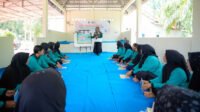
PALMOILMAGAZINE, MEDAN — The push for sustainable palm oil management continues to gain momentum. One example is the Indonesian Sustainable Palm Oil (ISPO) training held in Medan as part of the 2025 Palm Oil Plantation Human Resource Development Program (PSDM-PKS).
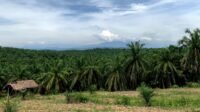
Funded by the Plantation Fund Management Agency (BPDP), the training is implemented by PT Koompasia Enviro Institute (KEI) in collaboration with the Directorate General of Plantations, Ministry of Agriculture. The program targets smallholder farmers and field facilitators from Batubara and South Labuhanbatu—two key palm oil-producing regions in North Sumatra.
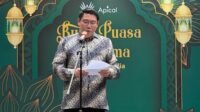
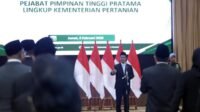
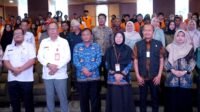
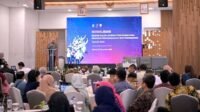
Held at AIHO Hotel Medan, the training was officially opened by M. Zakir Syarif Daulay, Head of North Sumatra’s Plantation and Livestock Agency. In his opening remarks, he emphasized that building the capacity of independent smallholders is essential to improving livelihoods while protecting the environment.
“Independent palm oil must be managed professionally and sustainably so that both the quality and quantity of production can compete globally, without sacrificing environmental integrity,” he stated, as quoted in Palmoilmagazine.com, Thursday (July 24, 2025).
Susilistiawati Ritonga, Head of the Batubara District Plantation and Livestock Agency, echoed this sentiment, highlighting the training as a long-term investment in the competitiveness of smallholder palm oil—both domestically and internationally.
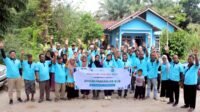
The training consists of five intensive class sessions, facilitated by professionals from PT KEI. According to KEI Director Henry Marpaung, the program integrates both theory and hands-on practice to ensure practical outcomes.
“Training modules cover ISPO principles and criteria, land legality, production management, environmental stewardship, and certification procedures. Everything is delivered using interactive methods, making it easy for participants to understand and apply,” said Henry.
Beyond education, the training provides a collaborative space where smallholders can share their challenges and collectively explore solutions. This inclusive approach aims to elevate smallholder farmers from peripheral players to key actors in a competitive and environmentally conscious palm oil industry.
Ultimately, ISPO training represents more than a technical milestone—it symbolizes a transformative step toward genuine sustainability in Indonesia’s independent palm oil sector. (P2)