PALMOILMAGAZINE, JAKARTA – The Indonesian government is intensifying efforts to strengthen governance in the national palm oil industry through the implementation of the Indonesian Sustainable Palm Oil (ISPO) standard, which is now mandatory. The policy is part of a broader strategy to maintain Indonesia’s palm oil competitiveness amid growing global scrutiny and market dynamics.
Minister of Agriculture Andi Amran Sulaiman emphasized that reinforcing sustainability standards is a crucial step to ensure Indonesian palm oil continues to be accepted in international markets while generating greater economic value domestically.
“Indonesia must not step back. Palm oil is one of the nation’s economic strengths. Therefore, its governance must be robust and sustainable, while downstream development must be accelerated so that the economic benefits can be expanded,” Amran said in an official statement received by Palmoilmagazine.com on Friday (March 6, 2026).
According to him, the transformation of the plantation subsector should increasingly focus on the development of downstream industries. Such a shift would allow palm oil to serve not only as an export commodity in raw form but also as a foundation for strengthening Indonesia’s industrialization.
Meanwhile, Acting Director General of Plantations Abdul Roni Angkat highlighted that Indonesia’s palm oil sector holds a significant advantage in terms of productivity and land efficiency compared to other vegetable oil commodities.
With total plantation coverage reaching approximately 16.83 million hectares, Indonesia’s Crude Palm Oil (CPO) production is projected to reach 48.12 million tons in 2025, reinforcing the country’s position as the world’s largest palm oil producer.
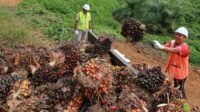
Beyond its role as a key contributor to foreign exchange earnings, the palm oil sector also supports the livelihoods of more than 16 million workers, including around 5.2 million smallholder farmers.
Roni explained that the government continues to expand assistance programs for smallholders, including the Smallholder Replanting Program (PSR), support for plantation infrastructure and facilities, human resource capacity development, as well as research and innovation initiatives.
“Palm oil supports a large workforce. Therefore, improving productivity and ensuring sustainability must go hand in hand,” he said.
Also Read: Global Energy Rally Pushes CPO Higher, KPBN Tender Records IDR15,111/kg Top Bid
He added that by strengthening sustainability standards through ISPO and expanding domestic downstream industries, Indonesia’s palm oil sector is expected to further solidify its role as a key pillar of the national economy while continuing to contribute to global food and energy supply. (P2)