PALMOILMAGAZINE, KUALA LUMPUR — Crude palm oil (CPO) prices have entered a phase of heightened volatility, driven by escalating global geopolitical risks that threaten to derail market rebalancing prospects in 2026.
In its latest research note, RHB Investment Bank Bhd (RHB Research) said the plantation sector is now weighed down by a complex mix of factors — intensifying armed conflicts, shifts in U.S. biofuel policy, and global trade tariff dynamics.
As a result, RHB downgraded its sector call on plantations from “Overweight” to “Neutral”, even though supply-demand fundamentals are expected to move toward balance next year.
“Spot CPO prices have dropped from around RM4,800 per tonne in Q1 2025 to RM3,900–RM4,100 currently,” the bank noted.
According to RHB, the decline is mainly driven by overlapping geopolitical pressures, including prolonged global conflicts, U.S. tariff measures, and sharp corrections in crude oil prices.
Citing New Straits Times, RHB also observed a significant shift in the correlation between CPO and Brent crude oil. While the correlation was negative (-0.6) at the start of 2025, it has now turned positive (+0.68), indicating rising sensitivity of CPO prices to energy market movements.
On the policy front, the U.S. has recently prioritized domestic biofuel feedstocks such as soybeans, reducing reliance on imported vegetable oils like Canadian canola. This policy shift has reshaped global vegetable oil demand. Meanwhile, soybean oil prices remain elevated, supported by an expanded U.S. biofuel blending mandate through 2027.
“Fundamentally, palm oil remains competitive, with stronger supply prospects and rising demand at current price levels. However, geopolitics has become the ‘wild card’ that could trigger sudden price shocks,” RHB cautioned.
Reflecting this uncertainty, RHB revised down its 2025 average CPO price forecast from RM4,300 to RM4,100 per tonne. For 2026–2027, prices are expected to ease further to around RM4,000 per tonne.
Interestingly, while CPO forecasts were cut, the palm kernel (PK) price outlook was upgraded to RM3,300 per tonne for 2025 (from RM2,800) amid tightening lauric oil markets.
Despite some signs of stabilization, RHB warned that downside risks remain elevated, citing geopolitical escalations, crude oil price swings that could impact biodiesel demand, extreme weather, and potential regulatory changes in key producers like Indonesia.
“Volatility risks are rising,” RHB wrote, adding that investor sentiment toward plantation equities is likely to remain cautious.
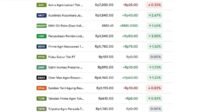
Notably, even though CPO prices rallied earlier this year, plantation stocks did not mirror the uptrend — reflecting market concerns over external shocks. Still, the sector is viewed as a defensive hedge in uncertain times.
“As CPO prices correct from their peak, plantation stocks have remained relatively stable. This underscores the sector’s role as a safe haven during turbulent periods,” RHB concluded. (P2)