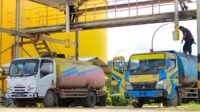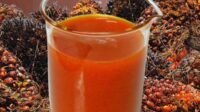
PALMOILMAGAZINE, KARACHI — The Indonesian government is accelerating efforts to strengthen economic cooperation with Pakistan, positioning palm oil as a central pillar of the bilateral partnership. Pakistan currently ranks as Indonesia’s third-largest destination for palm oil exports, after China and India.
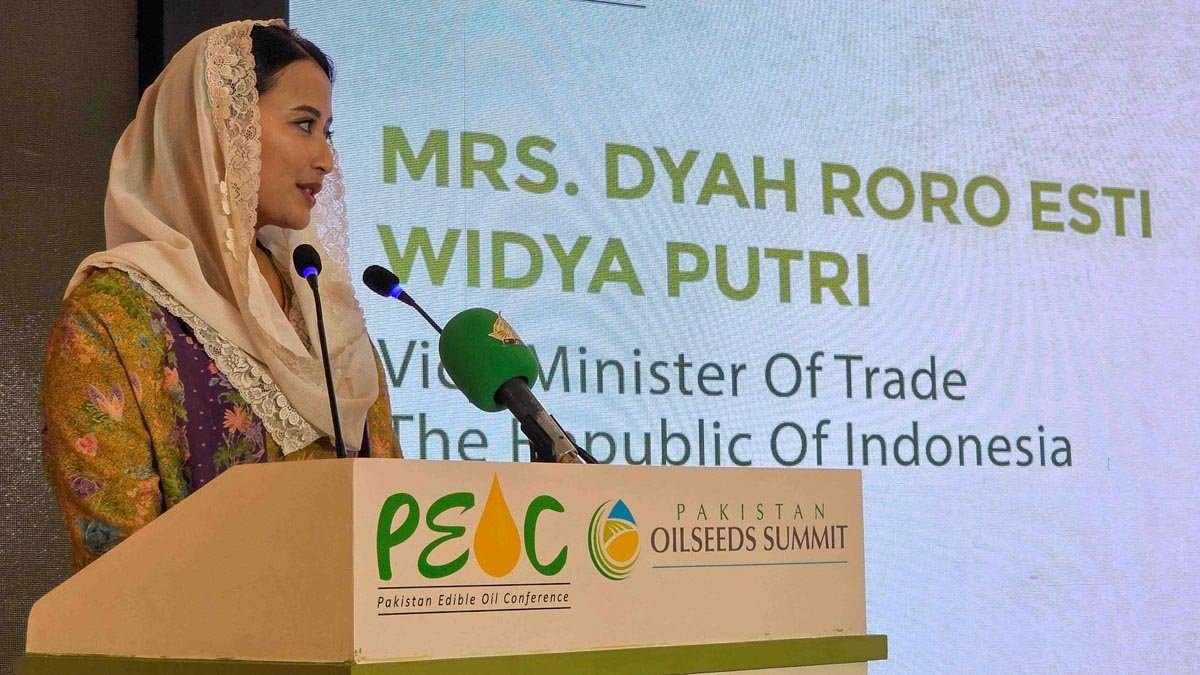
The statement was delivered by Indonesia’s Vice Minister of Trade, Dyah Roro Esti Widya Putri, during the Indonesian Palm Oil Networking Reception in Karachi, Pakistan, on Friday (9/1/2026).
The event was attended by Pakistan’s Minister of Commerce Jam Kamal Khan; Indonesian Ambassador to Pakistan Chandra W. Sukotjo; Director for Inter-Regional and International Organization Negotiations at the Ministry of Trade Natan Kambuno; and Indonesian Consul General in Karachi Mudzakir. Industry representatives were also present, including Chairman of the Pakistan Edible Oil Refiners Association (PEORA) Abdul Rasheed Jan Muhammad, Chairman of the Pakistan Vanaspati Manufacturers Association (PVMA), GAPKI Chairman Eddy Martono, and a representative of the Indonesian Chamber of Commerce and Industry (KADIN), Mufti Hamka St. Rajo Basa.
“Over the past five years, Indonesia’s palm oil exports to Pakistan have grown by an average of eight percent annually. That is why the government continues to intensify trade cooperation so the benefits can be felt more broadly by communities in both countries,” Dyah Roro said, as quoted by Palmoilmagazine.com from the Ministry of Trade’s official statement on Monday (12/1).
On the same occasion, Indonesia and Pakistan signed a Memorandum of Understanding on the establishment of the Indonesia–Pakistan Joint Trade Commission (JTC), signed by the Vice Minister of Trade of Indonesia and Pakistan’s Minister of Commerce. The JTC marks a new chapter in bilateral trade relations, aimed at making cooperation more structured, focused, and sustainable.
The commission will serve as a regular platform to promote trade, facilitate business engagement, strengthen micro, small, and medium enterprises (MSMEs), and accelerate the resolution of technical trade issues.
Also Read: West Java’s Palm Oil Debate: POPSI Warns Farmers at Risk Without Mill Support
“This step follows up on the State Visit of the President of Indonesia to Pakistan in December 2025, which resulted in an agreement to upgrade the Indonesia–Pakistan Preferential Trade Agreement (I-P PTA) toward a Comprehensive Economic Partnership Agreement (CEPA) by 2027,” Dyah Roro explained.
She added that cooperation under the I-P PTA framework has significantly contributed to the growth of bilateral trade, particularly through the steady rise in Indonesia’s palm oil exports.
“For decades, palm oil has been the foundation of Indonesia–Pakistan trade relations. Pakistan is a strategic partner for Indonesia in the vegetable oil sector. Long-standing relationships between refiners and producers in both countries have been built on reliability, efficiency, and trust,” she emphasized.
Also Read: Sri Lanka’s Economic Recovery Lifts Palm Oil Demand as Food Industry Expands
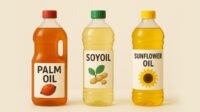
Palm oil, she noted, is the most widely consumed vegetable oil in Pakistan. Over the past 15 years, palm oil imports have consistently dominated Pakistan’s vegetable oil mix, surpassing soybean, rapeseed, and sunflower oil.
“Amid global uncertainty—whether logistical disruptions, commodity price volatility, or supply chain challenges—Indonesia has remained a stable supplier. Indonesia consistently accounts for around 85–89 percent of Pakistan’s total palm oil imports. This reflects Indonesia’s reliability and the trust of Pakistani importers,” she said.
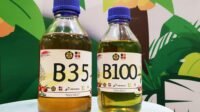
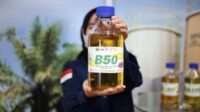
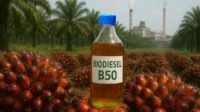
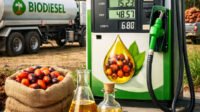
Addressing Indonesia’s domestic biodiesel policy, the Vice Minister stressed that the strengthening of the biodiesel mandate, including preparations for the B50 program in 2026, will not disrupt palm oil export availability.
Also Read: KPBN Inacom CPO Prices Edge Higher on Friday (9/1), Malaysian Palm Oil Futures Slip on Profit-Taking
“Indonesia carefully calibrates its palm oil governance to maintain a balance between domestic needs and exports. With strong production capacity, improving productivity, and prudent stock management, export supplies will remain stable and predictable, particularly for long-standing partners such as Pakistan,” she stated.
On sustainability, the Indonesian government continues to reinforce palm oil governance through the Indonesia Sustainable Palm Oil (ISPO) certification scheme, modernization of traceability systems, stronger legal compliance, and expanded national sustainability certification.
“Indonesian palm oil is not only competitive, but also sustainable. Given the amount of misinformation circulating, constructive collaboration among industry players and associations is essential to build fact-based understanding,” Dyah Roro said.
In line with this, Indonesia welcomed the signing of cooperation agreements between GAPKI and PEORA, as well as GAPKI and PVMA. These partnerships focus on public education and strengthening positive narratives about palm oil in Pakistan, reflecting a shared commitment to promoting balanced, factual, and forward-looking information on Indonesian palm oil.
“Palm oil is more than a commodity. It is a bridge that connects economies, strengthens industries, and deepens people-to-people relations. Indonesia is ready to ensure a stable, reliable, and sustainable supply of palm oil for Pakistan,” Dyah Roro affirmed.
Meanwhile, Pakistan’s Minister of Commerce Jam Kamal Khan stated that Indonesia remains a strategic partner for Pakistan. He expressed hopes that bilateral cooperation will continue to grow stronger and more mutually beneficial, alongside greater ease of doing business with Indonesia.
Beyond bilateral cooperation, the Vice Minister also underscored Indonesia’s commitment to strengthening regional collaboration, including through the Developing Eight (D-8) forum. Indonesia welcomed Pakistan’s implementation of the D-8 Preferential Trade Agreement and aims to enhance D-8 economic cooperation during Indonesia’s chairmanship for the 2026–2027 period. (P3)