PALMOILMAGAZINE, KARACHI — Indonesia is pushing to accelerate the upgrade of the Indonesia–Pakistan Preferential Trade Agreement (PTA) into a Comprehensive Economic Partnership Agreement (CEPA), as both countries seek to deepen trade ties, expand cooperation in services, and strengthen palm oil trade.
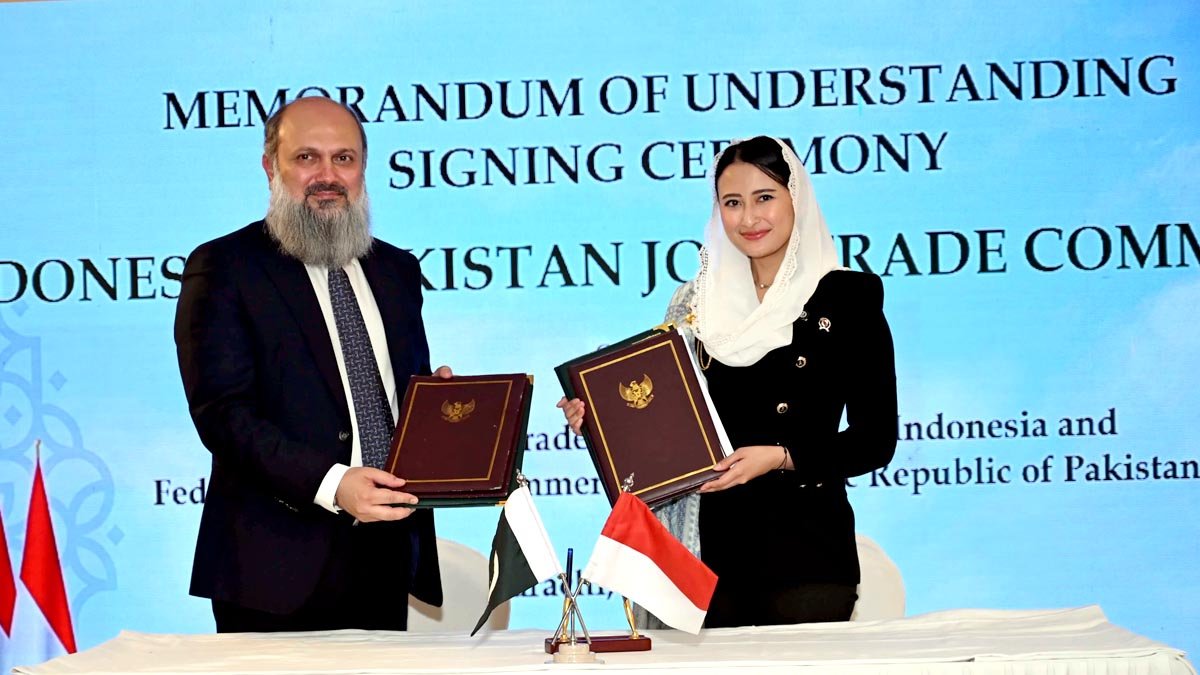
The commitment was reaffirmed by Indonesia’s Vice Minister of Trade Dyah Roro Esti Widya Putri during a bilateral meeting with Pakistan’s Minister of Commerce Jam Kamal Khan in Karachi on Friday (January 9).
The talks followed up on Indonesian President’s state visit to Islamabad in December 2025, which produced a Joint Statement by both leaders targeting the transformation of the PTA into a CEPA by 2027.
“Indonesia encourages negotiations toward CEPA to begin in early 2026. We have also proposed identifying priority sectors that can be developed jointly as soon as possible,” Roro said, as quoted Palmoilmagazine.com from the Ministry of Trade’s official statement on Monday (January 12).
Beyond trade in goods, Indonesia proposed expanding cooperation in services, particularly in the healthcare sector, including opportunities for doctors and nurses. According to Roro, healthcare services represent a strategic and high-potential area for both countries.
The two sides also discussed strengthening regional trade cooperation, including the implementation of the D-8 Preferential Trade Agreement (D-8 PTA). Indonesia welcomed Pakistan’s full implementation of the D-8 PTA since January 1, 2025, and expressed support for Pakistan’s appointment as Secretary General of the D-8 in 2026, replacing Nigeria.
Also Read: Indonesia and Pakistan Strengthen Trade Alliance, Palm Oil Emerges as Key Pillar
“Indonesia believes full implementation of the D-8 PTA will enhance economic integration among member states. During Indonesia’s chairmanship of D-8 in 2026–2027, we will prioritize expanding the agreement toward a more comprehensive, inclusive, and sustainable economic partnership,” Roro emphasized.
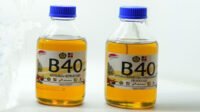
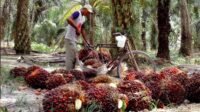
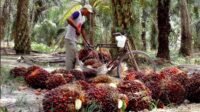
In bilateral trade, Pakistan is Indonesia’s third-largest palm oil export destination after India and China, with imports valued at USD 2.77 billion in 2024. Roro stressed that Indonesia’s domestic biodiesel policy, including the planned increase from B30 to B50 in 2026, will not disrupt Indonesia’s long-term commitment to supplying palm oil to Pakistan.
“We appreciate Pakistan’s invitation for Indonesia to serve as guest of honor and keynote speaker at the 2026 Pakistan Edible Oil Conference. This forum is an important platform to deliver fact-based messages on the sustainability and competitiveness of Indonesian palm oil,” she said.
Also Read: West Papua Tightens Rules: Indigenous Approval Mandatory for Any Oil Palm Forest Release
Pakistan’s Commerce Minister Jam Kamal Khan described Indonesia and Pakistan as complementary partners. He welcomed cooperation opportunities in healthcare and Pakistan’s rapidly growing industrial technology sector, and expressed hopes for greater access for Pakistani agricultural products to the Indonesian market.
“Pakistan expects bilateral relations with Indonesia to become stronger, more structured, and mutually beneficial. This year, Pakistan plans to organize a single showcase exhibition in Indonesia featuring strategic export products, and we look forward to Indonesia’s full support for the success of this initiative,” Jam Kamal said.
Roro was accompanied at the meeting by Indonesian Ambassador to Pakistan Chandra W. Sukotjo, Director for Inter-Regional and International Organization Negotiations at the Ministry of Trade Natan Kambuno, and Indonesian Consul General in Karachi Mudzakir.
Also Read: Papua Shifts Former Palm Oil Areas to Cocoa, Governor Reaffirms No New Palm Permits
Indonesia–Pakistan Trade at a Glance
According to Indonesia’s Ministry of Trade, Pakistan ranked as Indonesia’s 14th largest export destination and 36th largest import source in 2024. In 2025, total bilateral trade reached USD 3.6 billion, with Indonesia’s exports at USD 3.4 billion and imports at USD 136 million, generating a trade surplus of around USD 3.3 billion.
Indonesia’s main exports to Pakistan include palm oil and its derivatives, artificial staple fibers, automotive parts, coal briquettes, and synthetic fibers. Meanwhile, Indonesia’s imports from Pakistan include raw tobacco, citrus fruits, rice, telescopes, and refined petroleum products. (P3)