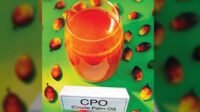
PALMOILMAGAZINE, KARACHI — Indonesia has reaffirmed palm oil as the backbone of its exports to Pakistan, while simultaneously offering a broader and more strategic economic partnership that extends into downstream investment, refining, and industrial processing.
Indonesian Vice Minister of Trade Dyah Roro Esti Widya Putri delivered the message while serving as keynote speaker at the opening of the 8th Pakistan Edible Oil Conference (PEOC) in Karachi on Saturday (10/1). The event was attended by Pakistan’s Minister of Commerce Jam Kamal Khan, PEOC CEO Rasheed Jan Mohammad, and Chairman of the Pakistan Vanaspati Manufacturers Association (PVMA) Umer Rehan.
Roro said Indonesia is keen to move cooperation beyond crude palm oil trade toward joint ventures in refining and processing, as well as investments in logistics, storage facilities, and port infrastructure. She also highlighted opportunities for collaboration in other vegetable oils, including soybean and sunflower oil, along with halal certification and standards harmonization.
“These sectors offer strong potential to generate higher value-added, facilitate technology transfer, and create jobs in both countries,” Roro said in an official statement received by Palmoilmagazine.com, Monday (12/1/2026).
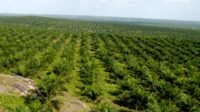
She emphasized that sustainable, long-term trade relations must be built on reliability, transparency, and environmental responsibility. As the world’s largest palm oil producer, Indonesia remains committed to strengthening sustainable production through environmental protection, stronger law enforcement, and governance systems that safeguard forests, communities, and biodiversity.
This commitment is being reinforced through the upgrading of the Indonesian Sustainable Palm Oil (ISPO) certification system, improved traceability, industrial modernization, and continuous support for smallholders to ensure inclusive growth across the palm oil value chain.
Roro stressed that sustainability initiatives are not intended to restrict trade, but to ensure Indonesian palm oil remains competitive, responsible, and widely accepted in global markets. In the context of Pakistan, Indonesia is positioning itself as a stable and reliable long-term supplier amid global market volatility.
“Indonesia is working to ensure Pakistan’s palm oil needs are met consistently, predictably, and transparently over the long term,” she said.
Indonesia is also encouraging a more balanced bilateral trade structure. The government welcomes higher exports from Pakistan to Indonesia, including textiles and garments, agricultural products, processed foods, and information technology services, which in 2025 reached USD 3.49 billion.
According to data from the Ministry of Trade, Pakistan ranked as Indonesia’s third-largest palm oil export destination after China and India, with shipments valued at USD 2.77 billion in 2025. The performance reflects Pakistan’s continued confidence in the reliability, quality, and competitiveness of Indonesian palm oil.
Palm oil remains Pakistan’s most consumed vegetable oil, with domestic demand estimated at nearly 3–4 million metric tons in 2025. The commodity supports a wide range of industries, from food manufacturing to oleochemicals, soap, and detergent production.
At the conference, Roro also highlighted the strategic importance of the Indonesia–Pakistan Preferential Trade Agreement (IP-PTA), which has been in force since 2013 and has played a key role in expanding bilateral trade through tariff reductions and improved regulatory certainty.
Both countries are now preparing to elevate the PTA into a Comprehensive Economic Partnership Agreement (CEPA), targeted for implementation in 2027. Under the current framework, Indonesia has expanded tariff eliminations for Pakistan’s priority products, including fisheries, agriculture, textiles, and synthetic goods. In return, Pakistan reduced tariffs on several Indonesian products, including palm oil, from 4.5 percent to 3.8 percent.
“We appreciate Pakistan’s tariff reduction. The policy has delivered tangible commercial results, with Indonesian palm oil exports to Pakistan rising by 10–15 percent on a regular basis,” Roro said.
Pakistan’s Commerce Minister Jam Kamal Khan described Indonesia’s presence at PEOC as a strong signal of deepening economic relations. He said Indonesia is a strategic partner for Pakistan, expected to contribute to macroeconomic stability, improved business facilitation, and sustainable trade and investment flows.
PEOC CEO Rasheed Jan Mohammad also reaffirmed Indonesia’s role as Pakistan’s principal partner in meeting vegetable oil demand, stressing that supply reliability and long-term cooperation remain central to a mutually beneficial relationship.
Roro was accompanied at the event by Indonesian Ambassador to Islamabad Chandra W. Sukotjo, Ministry of Trade Director for Inter-Regional and International Organization Negotiations Natan Kambuno, and Indonesian Consul General in Karachi Mudzakir. The forum also featured remarks from GAPKI Chairman Eddy Martono and Malaysian Palm Oil Council CEO Belvinder Kaur Sron. (P2)