PALMOILMAGAZINE, WASHINGTON — The administration of US President Donald Trump has officially announced a strategic trade agreement with the Government of India, a deal expected to reshape bilateral trade relations between the two countries. The announcement followed intensive negotiations focused on lowering tariffs and easing market barriers, even as India continues to safeguard several sensitive domestic agricultural sectors.
Trump said US import tariffs on most industrial goods from India will be sharply reduced to 18%, down from 50% previously. The move marks a clear de-escalation of tariff tensions that escalated throughout 2025 and also revokes punitive duties previously imposed over India’s purchases of Russian oil, as quoted Palmoilmagazine.com from Reuters on Wednesday (February 4, 2026), President .
On the other side, India has agreed to cut or eliminate import duties on a range of US industrial and consumer products, including tree nuts, wine, spirits, fruits, and vegetables. The agreement is expected to open wider opportunities for US exporters to access India’s vast domestic market of more than one billion consumers.
Also Read: Indonesia Uncovers Alleged CPO Export Manipulation via Singapore, State Revenue at Risk
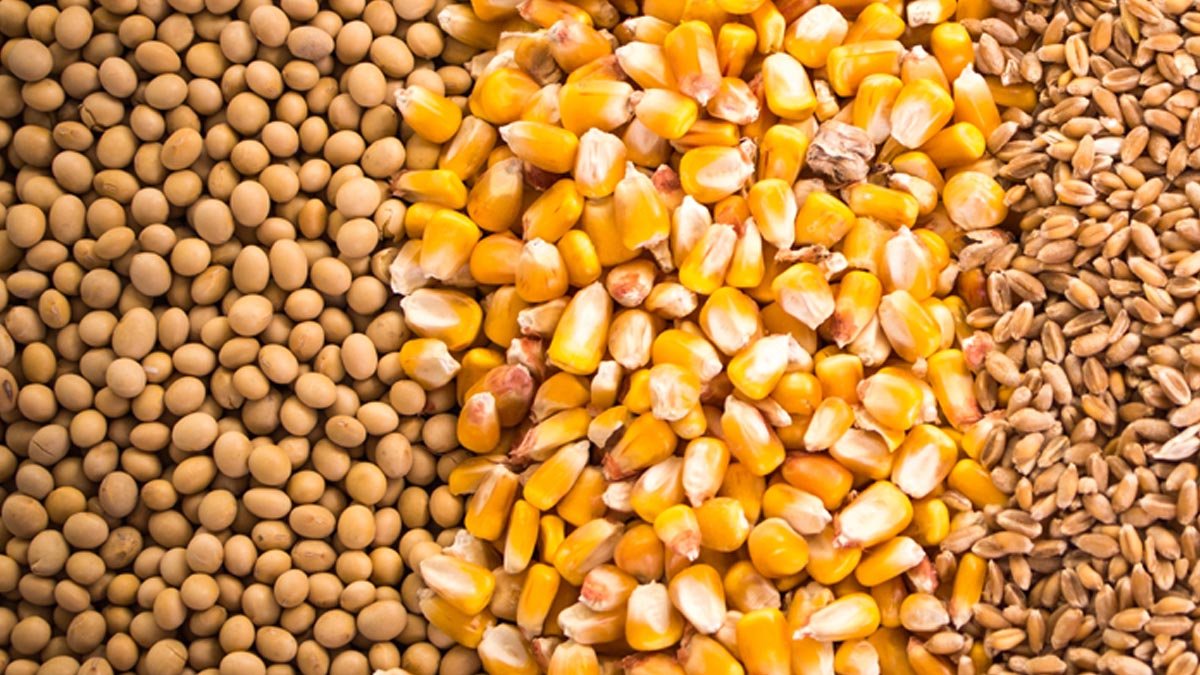
However, India’s agricultural market will not be fully liberalized. New Delhi will continue to enforce import protections on several sensitive commodities, including rice, dairy products, sugar, and soybeans, which remain strategically important to domestic farmers. Negotiations are ongoing to expand US access to these agricultural sub-sectors, though not all proposals have been reflected in the initial agreement text.
The deal also includes India’s commitment to gradually reduce crude oil purchases from Russia and replace them with energy imports from the United States and other suppliers such as Venezuela, signaling a shift in New Delhi’s energy strategy amid evolving global geopolitical dynamics.
While detailed provisions are still being finalized and the official text is under preparation, analysts have described the agreement as a major breakthrough in US–India economic relations. The deal is seen as ending a prolonged phase of tariff disputes while expanding the footprint of US products in the Indian market.
Also Read: Malaysia Eyes B20 Palm Biodiesel Expansion Across Airports, KLIA Set as Pilot Project
Market participants believe the agreement will provide a boost to Indian exports to the US, which had been constrained by elevated tariffs. At the same time, it is expected to create more balanced competition for agricultural and industrial products from both countries in global markets, even as domestic protection remains a key issue in future negotiations. (P2)