PALMOILMAGAZINE, JAKARTA – Indonesia recorded a trade surplus of USD 0.95 billion in January 2026, extending the country’s remarkable streak of positive trade balances to 69 consecutive months since May 2020.
The surplus was largely driven by the non-oil and gas (non-migas) sector, which generated a surplus of USD 3.23 billion, offsetting a USD 2.27 billion deficit in the oil and gas sector.
Indonesia’s Trade Minister, Budi Santoso, said the sustained surplus highlights the resilience of the country’s trade sector despite ongoing uncertainty in the global economy.
Also Read: Indonesia CPO Price Rises to IDR 15,655/kg on March 12, 2026 as Malaysia Palm Oil Futures Strengthen
“January 2026 marks the continuation of Indonesia’s trade surplus trend, which has now lasted for 69 consecutive months since May 2020. This consistency reflects the resilience of Indonesia’s trade sector amid global uncertainty,” Budi said in an official statement received by Palmoilmagazine.com on Friday (March 13, 2026).
In terms of trading partners, Indonesia recorded its largest trade surplus with the United States at USD 1.55 billion, followed by India at USD 1.07 billion, and the Philippines at USD 0.69 billion. Meanwhile, the largest trade deficit occurred with China at USD 2.47 billion, followed by Australia at USD 0.96 billion, and France at USD 0.47 billion.
Also Read: Malaysia Palm Oil Prices Rise on March 12 as Crude Oil Rally and Biodiesel Demand Boost CPO Market
Manufacturing Exports Continue to Dominate
Overall, Indonesia’s total exports in January 2026 reached USD 22.16 billion, representing a 3.39% increase year-on-year.
This growth was primarily supported by stronger non-oil and gas exports, which rose 4.38% year-on-year to USD 21.26 billion, up from USD 20.37 billion in January 2025.
Indonesia’s export structure continues to be dominated by the manufacturing sector, which accounted for 83.53% of total national exports. The mining and other sectors contributed 10.48%, followed by oil and gas at 4.03%, and agriculture at 1.97%.
The increase in non-oil exports at the beginning of the year was largely driven by manufacturing exports, which grew 8.19% year-on-year. In contrast, agricultural exports declined by 20.36%, while mining and other sectors fell by 14.59% compared to January 2025.
Vegetable Oil Exports Strengthen
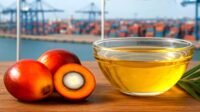
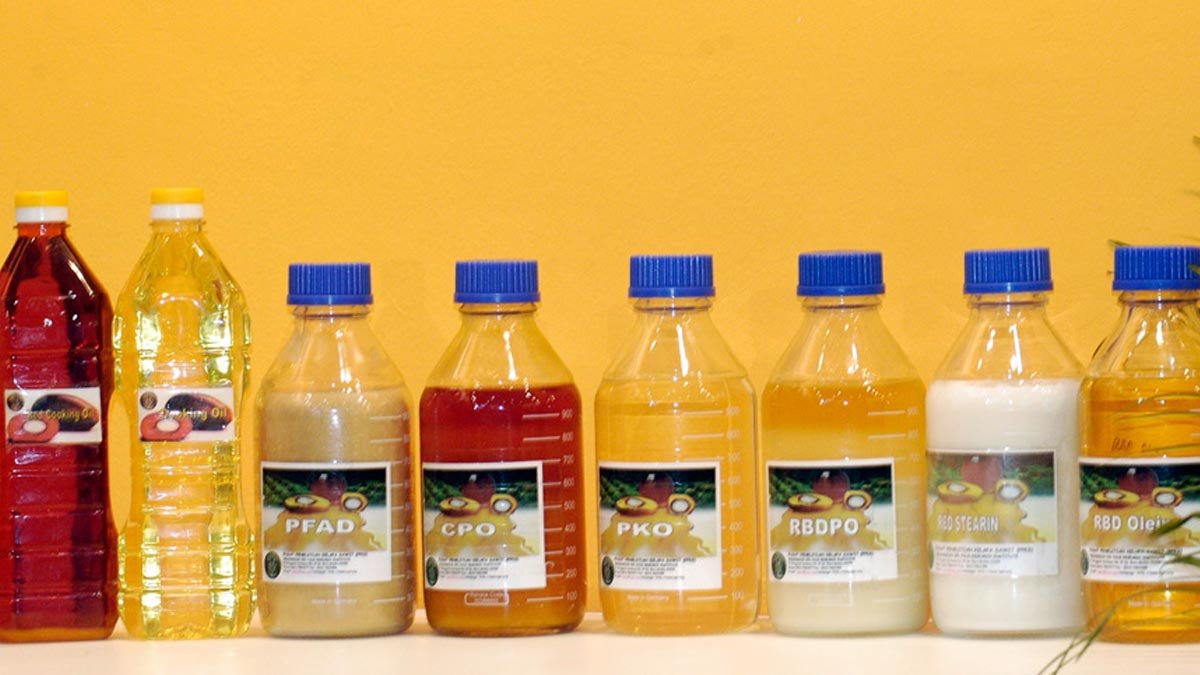
Among non-oil commodities, animal and vegetable fats and oils (HS Code 15)—which include palm oil and its derivative products—emerged as one of the fastest-growing export categories in early 2026.
“Three major non-oil commodities recorded the highest export growth in January 2026: tin and tin products (HS 80) rising 191.38%, animal and vegetable fats and oils (HS 15) increasing 46.05%, and nickel and nickel products (HS 75) up 42.04% year-on-year. This growth was driven by stronger international commodity prices,” Budi explained.
Also Read: Central Kalimantan FFB Price Update February 2026: 10–20 Year Palm Trees at IDR 3,459/kg
Vegetable oil commodities, including crude palm oil and palm kernel oil, remain key contributors to Indonesia’s manufacturing exports.
According to World Bank Commodity Price Data, several major commodities also experienced significant price increases in January 2026. Tin prices surged 67.29%, nickel rose 15.42%, and palm kernel oil increased 8.36% compared to January 2025.
Asia and the US Remain Key Export Markets
From the export destination perspective, China, the United States, and India remained Indonesia’s largest non-oil export markets.
Exports to these three countries reached USD 9.30 billion, accounting for approximately 43.77% of Indonesia’s total non-oil exports in January 2026.
Also Read: SPKS Promotes Smallholder Replanting Program in Aceh Utara Through Partnership with PTPN IV
Several countries also recorded strong growth in imports from Indonesia. Spain posted the highest increase at 74.65%, followed by Egypt at 59.23%, and Pakistan at 55.62% year-on-year.
Regionally, the largest export growth was recorded in Central Asia, which surged 112.88%, followed by North Africa at 36.10% and South Asia at 26.55%.
The strong performance of strategic commodities such as animal and vegetable fats and oils—particularly palm oil—continues to play a crucial role in supporting Indonesia’s trade balance stability, while reinforcing the country’s position as one of the world’s leading suppliers of vegetable oil. (P2)