PALMOILMAGAZINE, MUMBAI – Rising global vegetable oil prices and increasing freight rates are prompting buyers in India to delay new import purchases, as concerns grow over possible supply disruptions caused by geopolitical tensions in the Middle East.
According to a report by Reuters, several market participants say Indian importers are becoming more cautious, opting for prompt shipments while postponing new contracts due to uncertainty in global shipping conditions.
A Mumbai-based dealer from a global trading company noted that the recent surge in vegetable oil prices has made buyers reluctant to lock in new import deals.
Also Read: Indonesia Palm Oil Farmers Reject 12.5% CPO Export Levy Hike, Warn of IDR 1.2 Trillion Annual Loss
“Buyers are unsure whether prices will remain at current levels, and they are also worried that soybean oil and sunflower oil suppliers may face difficulties delivering on time as freight rates continue to rise,” the dealer said, as quoted by Palmoilmagazine.com from Reuters on Thursday (March 12, 2026).
India is the world’s largest vegetable oil importer. Any change in its buying pattern could limit further gains in global prices of palm oil, soybean oil, and sunflower oil. However, it could also tighten domestic supply in India in the coming months, particularly by April.
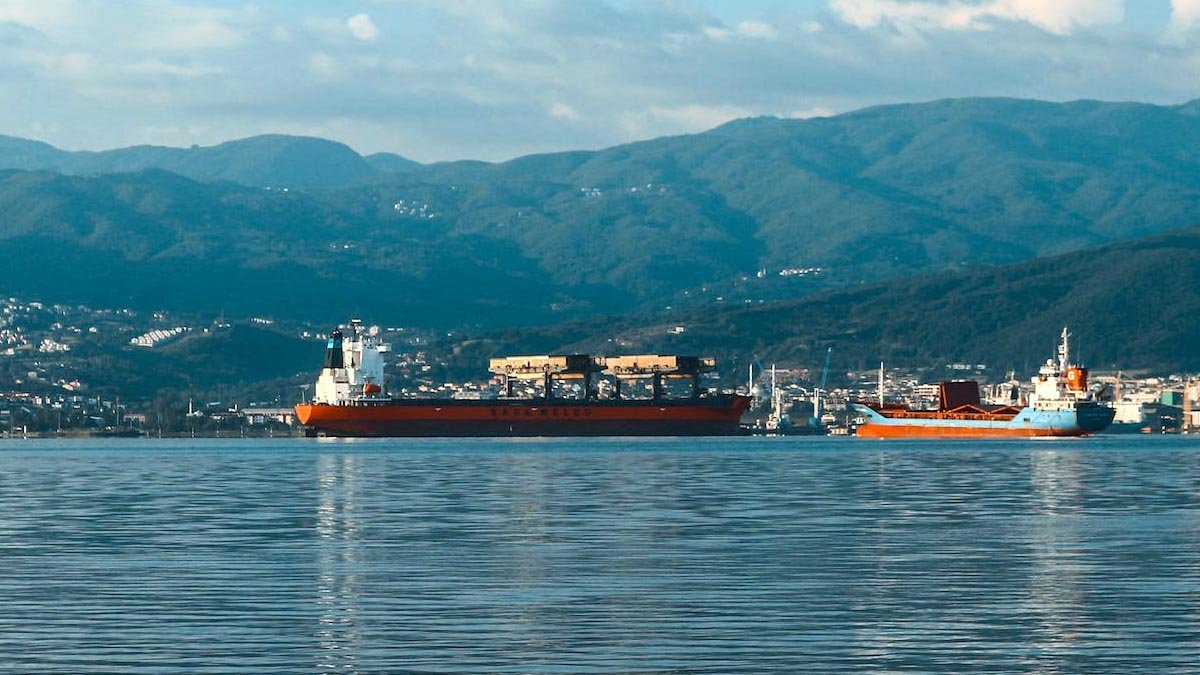
Concerns Over Black Sea Shipping Routes
India imports most of its soybean oil from Argentina and Brazil, with shipping times exceeding six weeks. Meanwhile, sunflower oil is primarily supplied from Russia and Ukraine, typically taking three to four weeks to reach India from the Black Sea region.
Sunvin Group Chief Executive Sandeep Bajoria said market participants are closely monitoring the possibility of shipping disruptions triggered by escalating tensions in the Middle East.
Also Read: Prabowo Highlights Palm Oil, Cassava, Corn and Sugarcane as Key to Indonesia’s Energy Security
“If the conflict intensifies, sunflower oil shipments from the Black Sea region may have to reroute around Africa instead of passing through the Red Sea,” he explained.
Such a rerouting would significantly extend shipping times and increase logistics costs.
“Going around Africa could add more than 10 days to the voyage and raise freight costs by around US$20 per ton or more,” Bajoria added.
Rising Prices Pressure Refining Margins
India relies on imports for nearly two-thirds of its vegetable oil consumption. In addition to soybean and sunflower oil, the country imports palm oil from Indonesia, Malaysia, and Thailand, with relatively shorter shipping times of about one week.
Although palm oil supply could still meet India’s short-term needs, buyers remain cautious about new purchases as higher global prices are squeezing refining margins.
Also Read: Indonesia Boosts ISPO Standards to Support 48 Million Ton Palm Oil Production
A New Delhi-based trader from a global trading firm said many buyers are currently relying on older stocks purchased at lower prices.
“Buyers prefer to use stocks purchased last month that are still available in the domestic market rather than buy from exporters at higher prices. They are waiting for global prices to correct,” the trader said.
Dealers also noted that last month imported crude palm oil (CPO) was priced about US$100 per ton cheaper than crude soybean oil. However, both oils are now trading at nearly the same price in the international market. (P2)