PALMOILMAGAZINE, JAKARTA – The B50 program has been projected as a symbol of energy sovereignty and a shield against the oil and gas trade deficit. Yet behind the optimism, the commodity balance sheet speaks more quietly—and more sharply. CPO production is stagnating, domestic demand is surging, and export space is narrowing. When one policy strengthens the energy front, it simultaneously tests foreign exchange resilience. This is where Indonesia’s palm oil sector enters its paradox: the greater the ambition to produce fuel, the smaller the room to serve as a foreign exchange engine through exports.
The first quarter of 2026 opened with fanfare. The government moved firmly into the B50 regime—a fuel blend containing 50 percent palm-based biodiesel. In ministerial meeting rooms, it is hailed as a milestone of energy sovereignty. On official podiums, it is celebrated as a strategy to curb diesel imports and save foreign exchange.
But beyond the rhetoric of “sovereignty,” the numbers move according to their own logic—cool and immune to euphoria.
Also Read: KPBN Inacom CPO Price Slips to IDR 14,225/kg, Bursa Malaysia Extends Losses on Thursday (Feb 26)
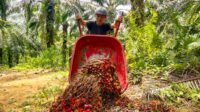
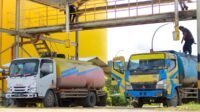
Indonesia’s crude palm oil (CPO) production in 2025 stagnated at 48.36 million tons. There was no surge in productivity, no significant expansion in planted area. Meanwhile, full implementation of B50—if enforced this year—is estimated to absorb around 18 million tons of CPO into domestic fuel tanks. Add domestic food and oleochemical needs of roughly 9–10 million tons, and the exportable surplus shrinks sharply.
Here lies the paradox. Indonesia is not merely a producer; it is a global price setter. Every ton of CPO withdrawn from the export market tightens international supply and pushes prices upward. In the short term, that sounds beneficial—higher prices mean better revenue per ton. But commodity markets are driven not only by price, but by supply certainty.
When export volumes fall too deeply, major buyers such as India and China will not wait. They shift contracts and secure alternative supplies from Latin American soybean oil or Eastern European sunflower oil. Diversification is instinctive in global markets. Once market share is lost, it is not easily regained.
Also Read: Indonesia Sets February 2026 Biodiesel Price at IDR 13,856/Liter
On the fiscal side, the dilemma intensifies. Biodiesel reduces the oil and gas trade deficit by lowering diesel imports that have long pressured the trade balance. Yet CPO and its derivatives are also key sources of foreign exchange, export levies, and duties. Export levy funds—managed by the Plantation Fund Management Agency (BPDP)—have financed the Smallholder Replanting Program (PSR), subsidized superior seeds, and supported productivity research.
With CPO prices in 2026 projected above US$1,125 per ton, every ton diverted from export vessels to domestic biodiesel refineries carries a real opportunity cost. Foreign exchange savings on the energy side may be offset by reduced export and fiscal revenues on the other.
Palm oil, long hailed as a “miracle crop,” now stands at a crossroads: food or fuel?
Also Read: GAPKI Urges Productivity Boost as Biodiesel Demand Outpaces Palm Oil Supply
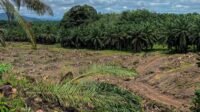
Production gains can only come through new plantation expansion or radical productivity improvements. Yet land expansion is no longer a simple option. Forest moratoriums, tightening global environmental regulations, and sustainability demands make new development politically and reputationally costly.
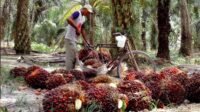
The most rational and secure path is revolutionary intensification. Smallholder productivity still averages around 2.5 tons of CPO per hectare—far below private estates that can reach 4–6 tons. This productivity gap reflects unequal access to superior seedlings, fertilizers, financing, and technical assistance.
If B50 is to proceed without sacrificing exports, boosting smallholder productivity is an absolute prerequisite. Supply chain subsidies must be accelerated. Administrative barriers preventing smallholders from accessing BPDP funds must be reduced. Replanting cannot remain stalled by bureaucracy and layered requirements. At the same time, digital transformation for traceability is no longer optional.
Also Read: Malaysia Eyes B20 Palm Biodiesel Expansion Across Airports, KLIA Set as Pilot Project
Global regulations such as the EU Deforestation Regulation (EUDR) demand full transparency over production footprints. Without compliance, European market access will narrow further. Without productivity gains and sustainability adherence, B50 risks merely shifting the crisis—from fuel import dependence to foreign exchange shortfalls, or even food supply pressures.
With an economic growth target of 5.4 percent this year, palm oil remains one of Indonesia’s growth engines. But this engine requires serious maintenance through three critical policy tests.
First, audit and reorient BPDP funds. Biodiesel subsidies must not crowd out smallholder replanting budgets. Without massive replanting now, Indonesia risks declining production within five years as aging trees reduce yields. Biodiesel subsidies could become a fiscal addiction that erodes production foundations.
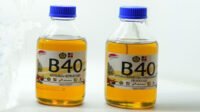
Also Read: APROBI Says B40 Biodiesel to Bolster Indonesia’s Energy Security and Economy in 2026
Second, accelerate non-energy downstreaming. Downstream strategy must not stop at biodiesel. Higher-value oleochemicals—such as surfactants, fatty alcohols, and specialty fats—offer more stable margins and are less volatile than raw CPO. Diversification reduces dependence on a single utilization channel: energy.
Third, strengthen trade diplomacy. B50 should be positioned as part of Indonesia’s contribution to global emission reduction. At the same time, Indonesia must push for broader international recognition of ISPO certification as a credible sustainability standard. Without global legitimacy, palm oil will continue to face suspicion in international markets.
The euphoria surrounding B50 is compelling. It tells a story of independence and resolve. But the trade balance does not bow to rhetoric. It calculates inflows and outflows with uncompromising precision.
Also Read: Indonesia Allocates 15.6 Million Kiloliters of Biodiesel for 2026, B40 Mandate Moves Forward
Palm oil is an elastic backbone of the economy—but it has a breaking point. Forcing it to shoulder the energy burden without reinforcing upstream productivity risks postponing a deeper crisis.
Managing palm oil in 2026 is a test of balance—between feeding the population, fueling industry, and sustaining global market trust.
Energy sovereignty is a legitimate ambition. But without careful calculation, it may end in a foreign exchange deficit that burdens the future—a paradox not imposed upon us, but one we risk creating ourselves. (*)
By: Edi Suhardi
Sustainability Analyst, Head of Positive Campaigns, Indonesian Palm Oil Association (GAPKI)